
 EN
EN
Quick Links

UV Protection: How Amber Bottle Packaging Prevents Photodegradation Mechanisms of Light-Induced Degradation in Active Ingredients Exposure to light triggers photochemical reactions that break down molecular structures in pharmaceuticals and cosmeti...
VIEW MORE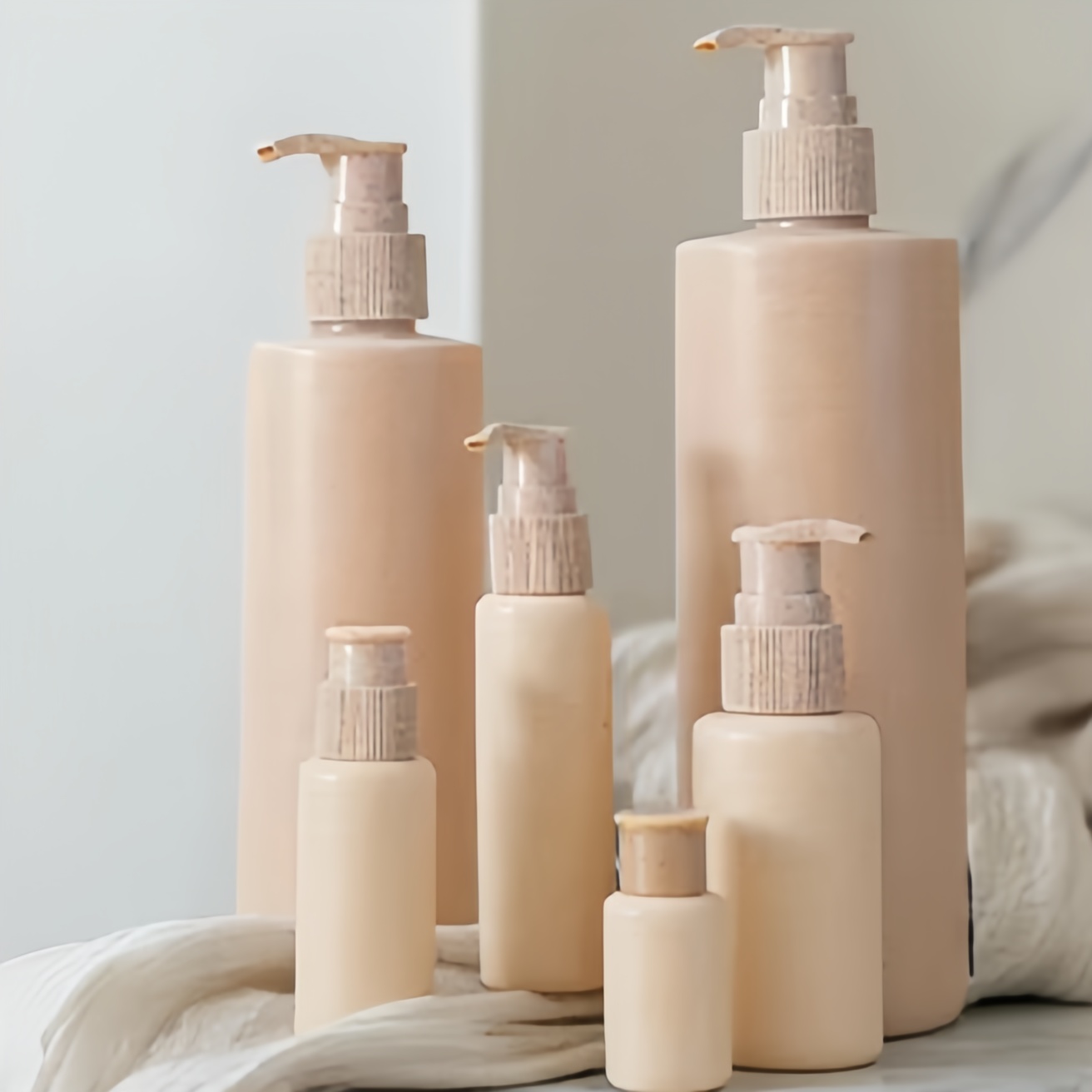
Viscosity-Driven Pump Selection: From Serums to Thick Creams Product viscosity fundamentally dictates pump bottle selection. Low-viscosity liquids like serums or toners require fine-tuned mechanisms to prevent dripping and ensure controlled dispens...
VIEW MORE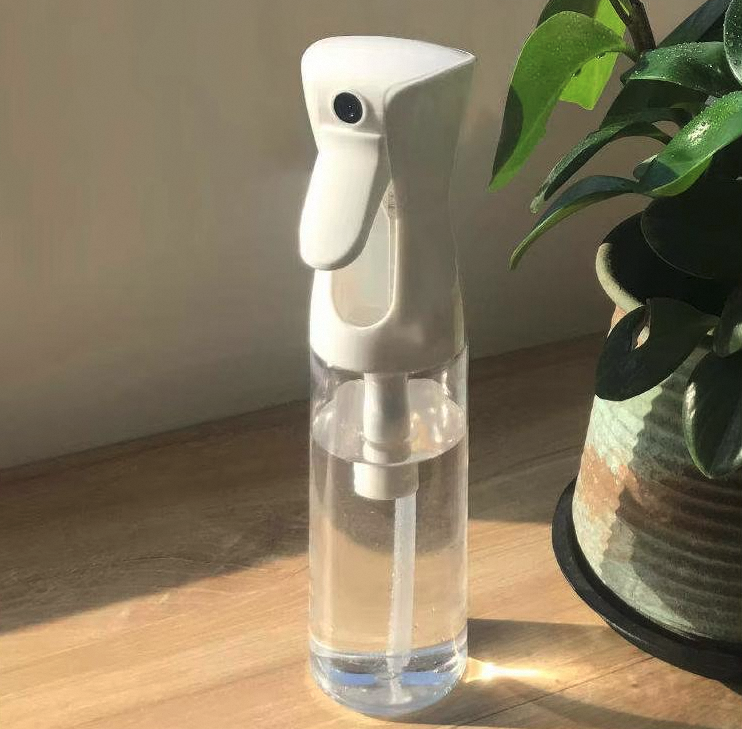
How Refillable Cosmetic Containers Support More Efficient Packaging Cutting Down on Disposable Packaging and Material Use Refillable cosmetic containers help reduce packaging waste by extending the life of durable primary containers. Instead of repla...
VIEW MORE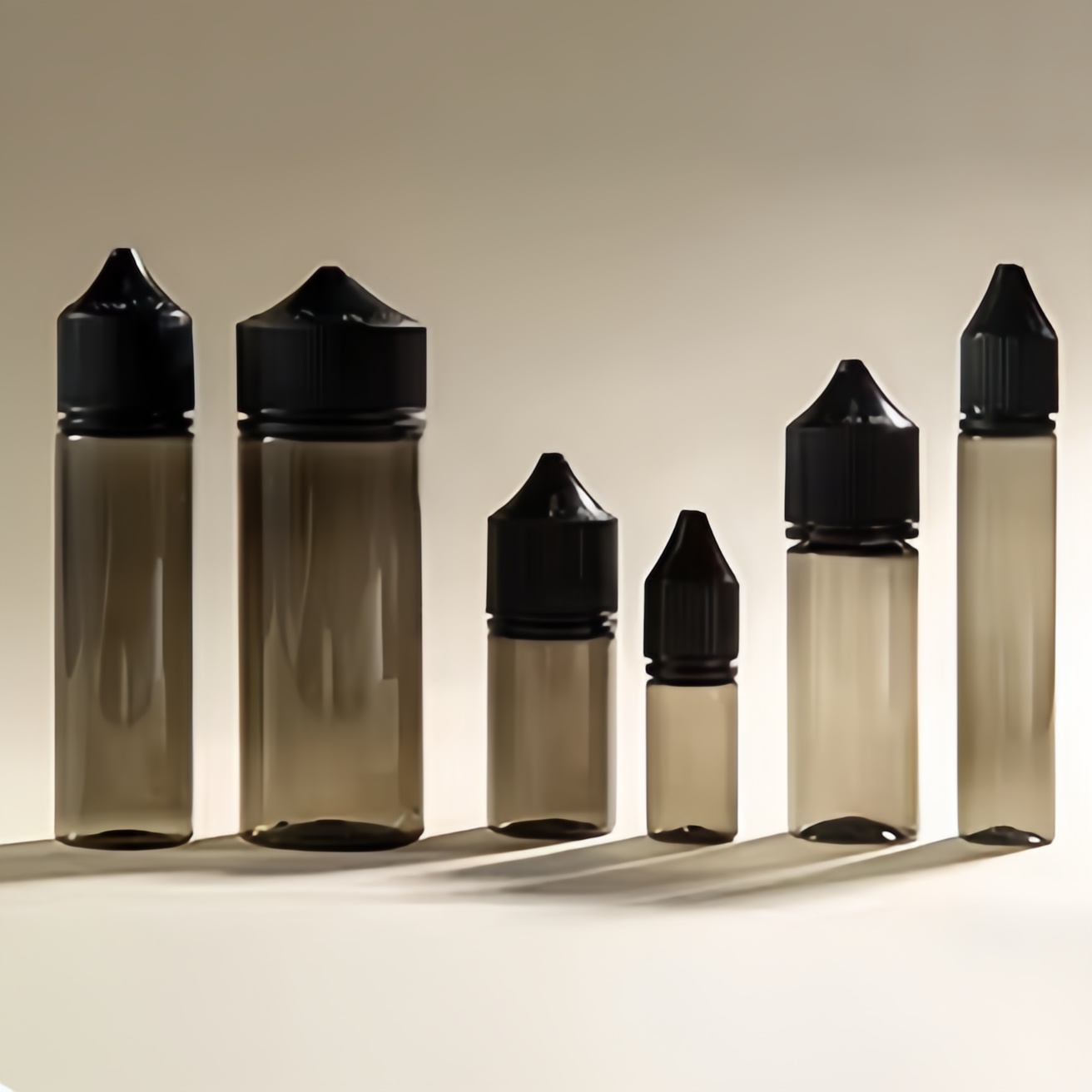
Cost Efficiency and Scalability with Wholesale Packaging for Brands For growing brands, packaging costs can either support or stall expansion. Choosing wholesale packaging directly addresses two critical financial pressures: reducing per-unit expen...
VIEW MORE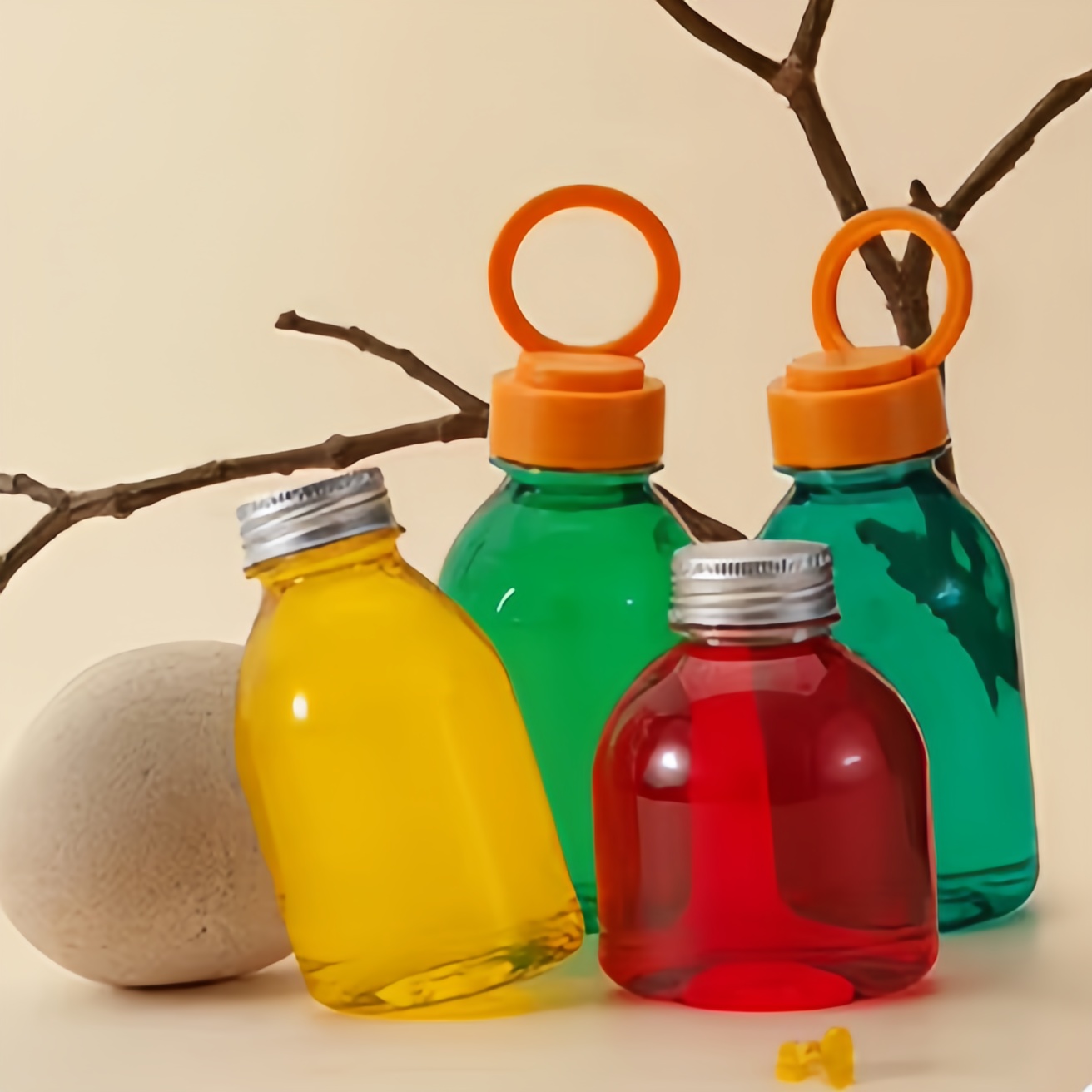
Packaging for Brand Identity: The Critical First Impression How color, shape, and texture instantly signal brand personality and values The moment a consumer sees a package, their brain forms a rapid judgment about the product—and the company...
VIEW MORE
Material Integrity: Ensuring Formula Stability and Safety in Every Lotion Bottle for Skincare PET vs. HDPE vs. Glass: Protecting Sensitive Actives (Retinoids, Vitamin C) The choice of material for a lotion bottle directly determines whether fragile...
VIEW MORE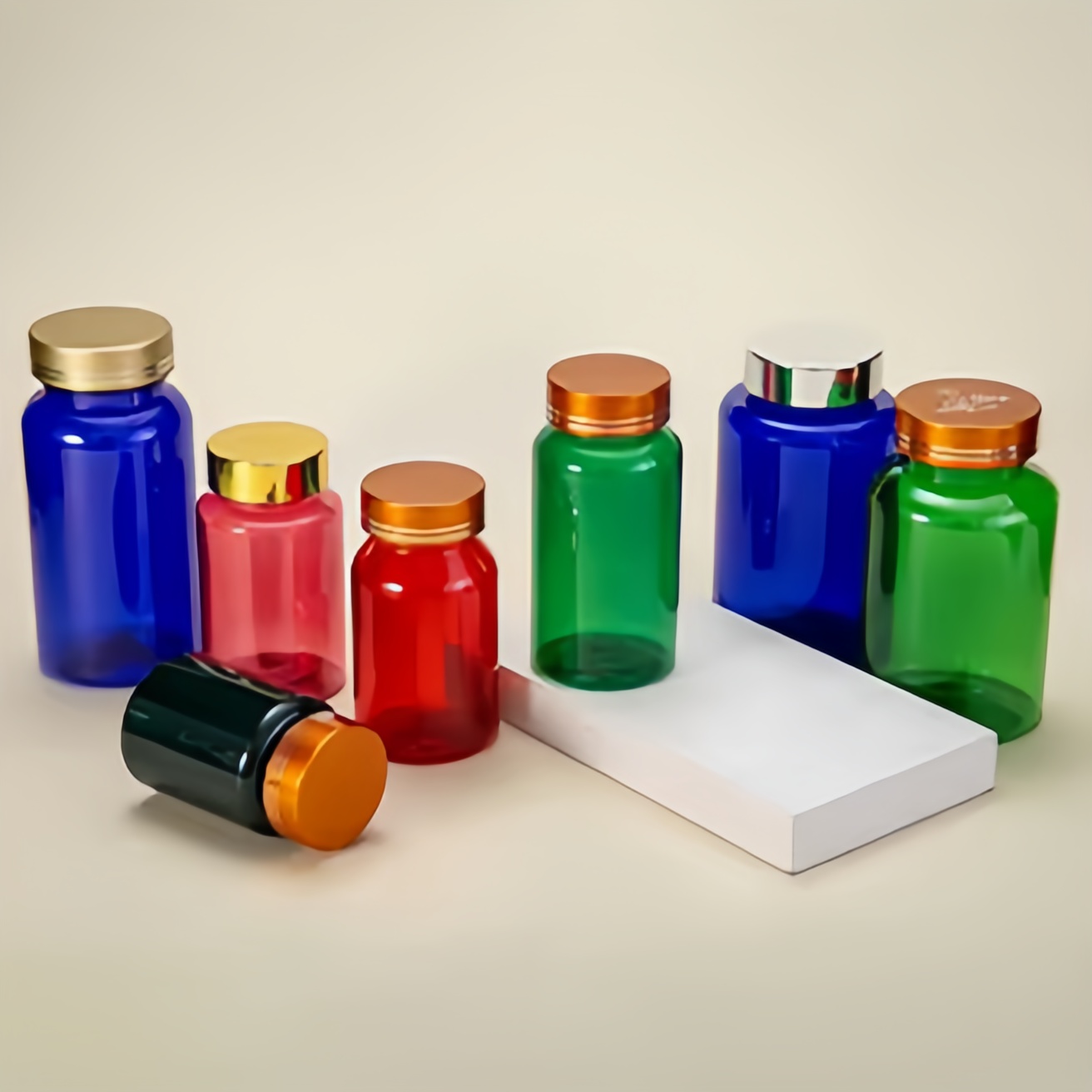
Packaging as the First Impression: Psychology and PerceptionWhy Packaging Is the Silent Salesperson at Point of PurchaseIn a crowded retail environment, packaging is the brand’s most effective silent salesperson. Shoppers form unconscious judgments w...
VIEW MORE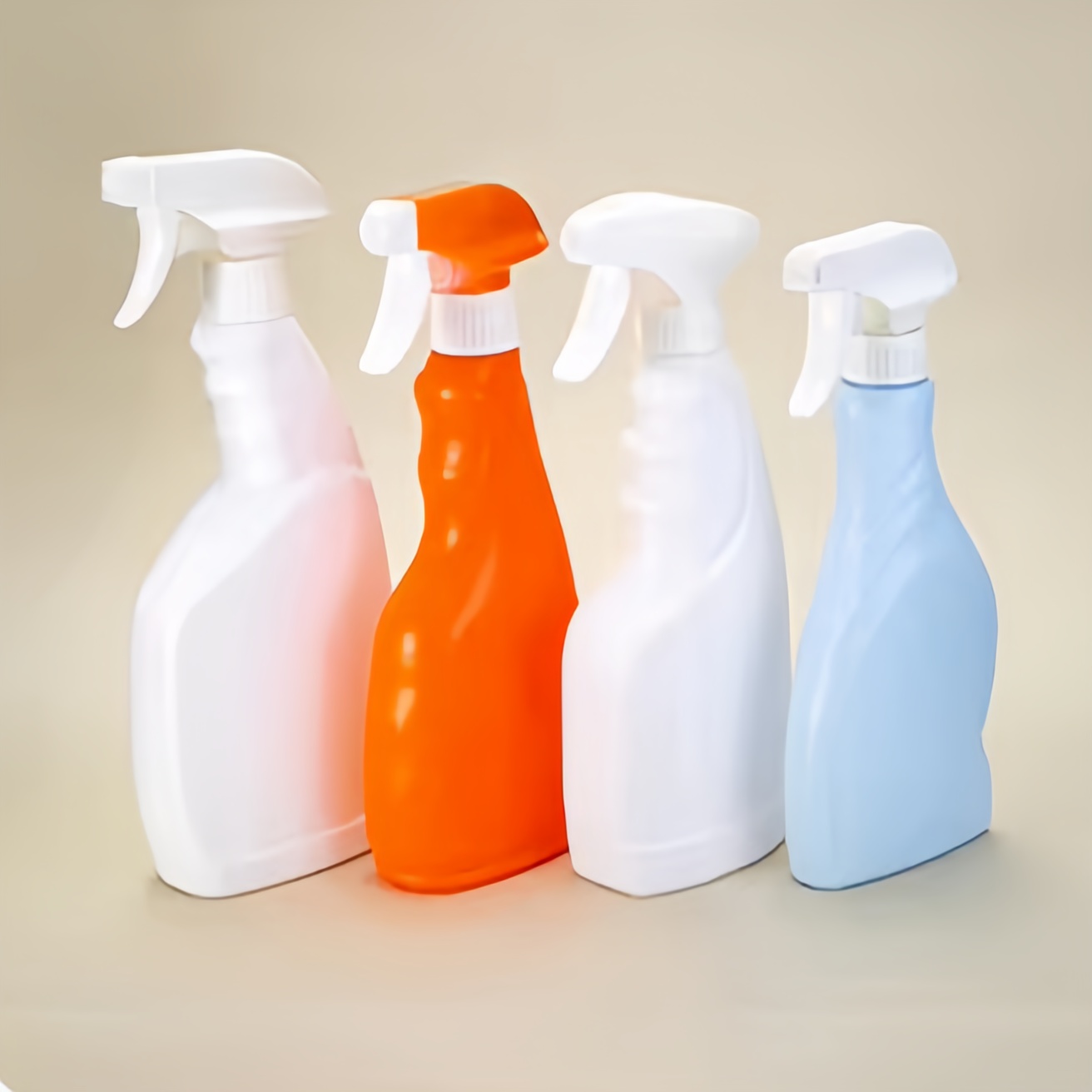
Lightweight Durability: Why PET Bottles for Liquids Excel in Logistics and Handling Shatterproof Performance and Reduced Shipping Weight Polyethylene terephthalate (PET) bottles deliver exceptional durability for liquid products—directly enha...
VIEW MORE
Glass: Premium Protection, Inertness, and Sustainability Considerations Chemical inertness and barrier performance against actives like retinoids and essential oils Glass is uniquely chemically inert among cosmetic container materials—unlike ...
VIEW MORE
Match Packaging Material and Structure to Product Chemistry and Physical Form Material Compatibility: Preventing Degradation, Migration, or Instability in Lipsticks, Serums, and Creams The chemistry of your cosmetic formula—not marketing tren...
VIEW MORE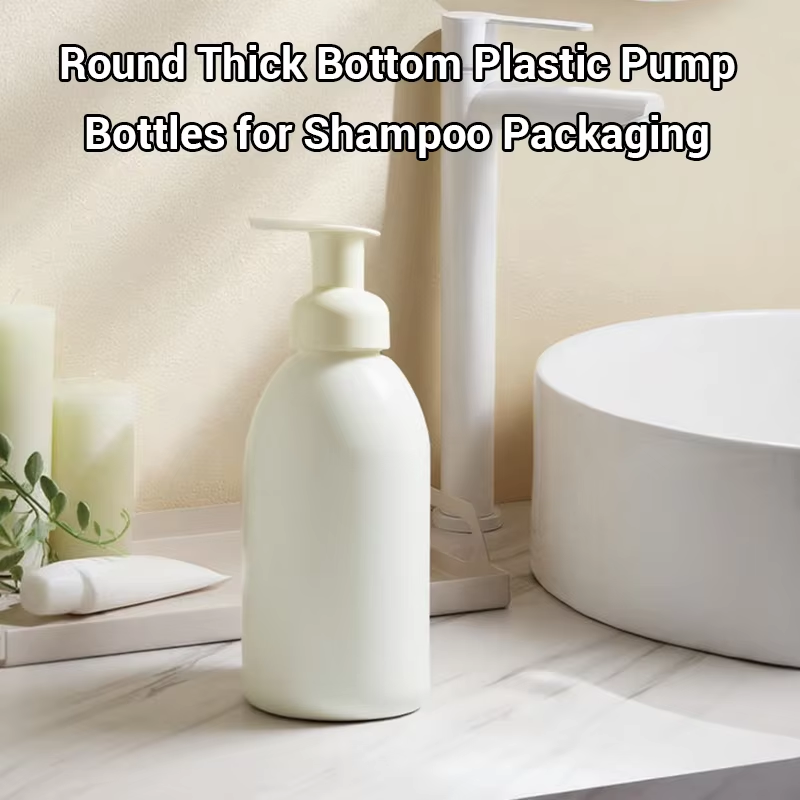
Light degradation poses one of the most significant threats to the stability and efficacy of cosmetic, pharmaceutical, and personal care formulations. Many active ingredients—including retinoids, vitamin C derivatives, essential oils, and botan...
VIEW MORE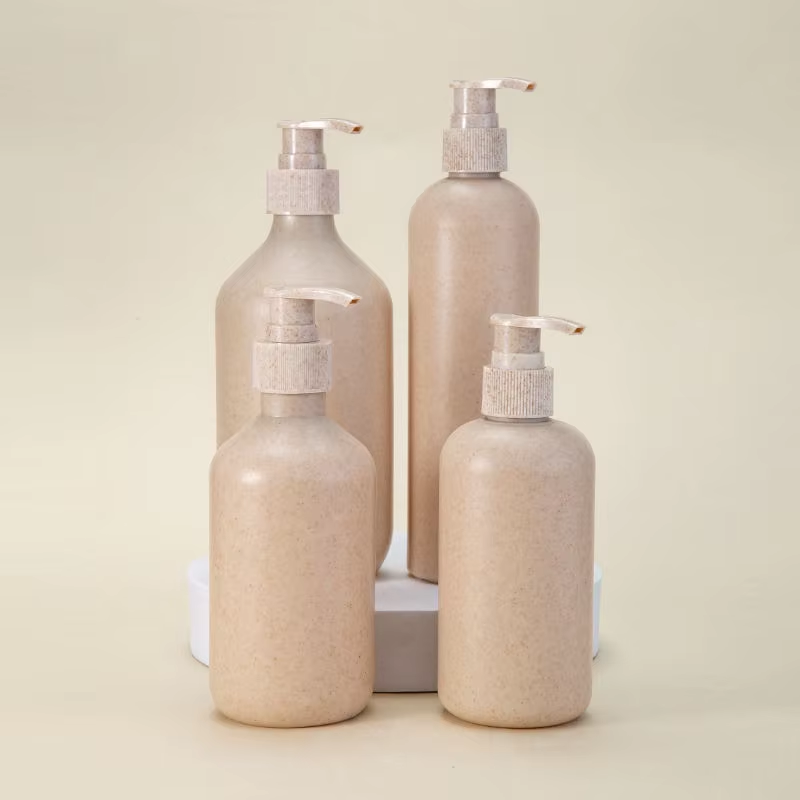
Packaging costs represent one of the most significant recurring expenses for personal care, cosmetic, and home cleaning product brands. As market competition intensifies and profit margins tighten, manufacturers and brand owners increasingly seek str...
VIEW MORE
