 EN
EN
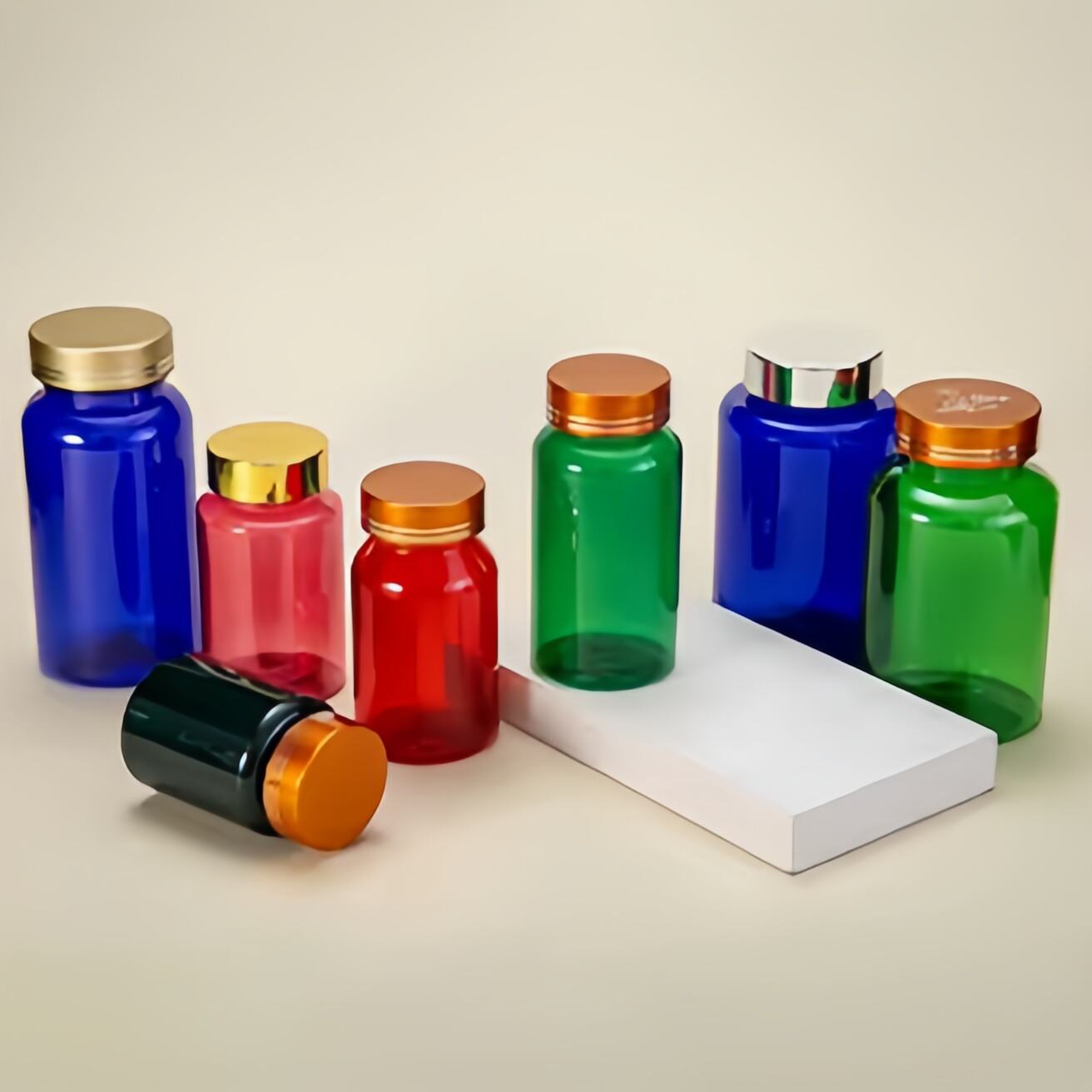
Glass: Premium Protection, Inertness, and Sustainability Considerations
Chemical inertness and barrier performance against actives like retinoids and essential oils
Glass is uniquely chemically inert among cosmetic container materials—unlike many plastics, it neither leaches nor reacts with formulations. This stability is essential for preserving sensitive actives such as retinoids, vitamin C, and essential oils, preventing degradation, contamination, or loss of potency over time. Its impermeable structure also delivers superior barrier protection against oxygen, moisture, and UV light—key destabilizing agents for high-performance skincare. Amber or cobalt blue glass enhances this protection by filtering up to 90% of harmful UV wavelengths, further extending shelf life without relying on additional preservatives. For brands formulating with fragile, high-value ingredients, glass remains the gold standard for integrity and efficacy.
Luxury perception and shelf-life extension—evidence from premium brands’ amber glass serum packaging
Glass reinforces premium positioning through unmistakable sensory cues: weight, clarity, and tactile precision. Leading skincare brands consistently select amber glass for serums—not only for its proven UV-blocking performance but also as a visual shorthand for quality, science-backed formulation, and trust. That association is grounded in functional advantage: independent testing confirms glass reduces oxidation by up to 90% compared to standard plastic alternatives, directly correlating with longer active ingredient stability. While heavier and more fragile than plastic, glass’s infinite recyclability and compatibility with refill systems offset these limitations. As sustainability and sensorial experience converge in consumer expectations, glass continues to define the benchmark for both preservation and prestige.
Plastic Cosmetic Container Materials: Balancing Functionality, Cost, and Circular Potential
Material-specific suitability: HDPE for cleansers, PET for serums, PP for dispensing systems
Plastic selection must align precisely with formula chemistry, usage requirements, and end-of-life considerations. HDPE (High-Density Polyethylene) excels for water-based cleansers and lotions, offering robust moisture resistance, chemical inertness, and controlled squeezeability—critical for consistent dosing and user satisfaction. PET (Polyethylene Terephthalate) provides exceptional clarity and oxygen barrier performance, making it ideal for serums, oil-based treatments, and products where visual appeal and oxidation-sensitive actives (e.g., ferulic acid, resveratrol) demand protection. PP (Polypropylene) stands out for dispensing components—pump mechanisms, flip caps, and jar closures—due to its fatigue resistance, thermal stability, and ability to maintain structural integrity across repeated use. Matching material to function ensures product integrity, usability, and long-term brand credibility.
Advances in PCR content, mono-material design, and compatibility with recycling infrastructure
Sustainable plastic packaging is no longer aspirational—it’s operationally viable. Post-consumer recycled (PCR) content is now routinely integrated into cosmetic containers without compromising performance: 50% PCR HDPE meets FDA-compliant barrier standards for cleansers, while PCR PET maintains clarity and oxygen resistance for serums. Crucially, mono-material construction—where body, cap, and closure are made from the same polymer—eliminates sorting complexity at recycling facilities and lifts recovery rates by up to 35% compared to multi-material alternatives. These innovations are designed in concert with existing municipal recycling streams, not against them. By prioritizing infrastructure-aligned design—such as avoiding metallized films or incompatible adhesives—brands ensure their PCR-integrated packaging re-enters the circular economy as high-value feedstock, not residual waste.
Emerging Eco-Forward Options: Aluminum and Paper-Based Cosmetic Container Materials
Aluminum tubes and bottles—lightweight, infinitely recyclable, and ideal for oxygen-sensitive formulas
Aluminum offers a compelling convergence of technical performance and environmental responsibility. Its near-impermeable barrier blocks oxygen, light, and moisture completely—making it especially suited for unstable actives like L-ascorbic acid, encapsulated retinoids, and volatile essential oil blends. Unlike most plastics, aluminum retains full quality through infinite recycling cycles; producing new aluminum from recycled stock uses just 5% of the energy required for virgin material. Beyond function, its sleek, shatterproof profile supports premium unboxing experiences and travel-safe formats—matte-finish tubes and brushed-metal bottles communicate sophistication while meeting strict airline regulations. With global aluminum recycling rates exceeding 70% and growing policy support for lightweight, high-barrier metals, aluminum is rapidly evolving from niche alternative to strategic core material.
Paperboard and molded fiber applications in dry-primary and secondary cosmetic packaging
Paper-based materials are establishing strong footholds—not as universal replacements, but as purpose-built solutions for dry and low-moisture cosmetics. Paperboard cartons, rigid boxes, and precision-molded fiber trays now serve as primary packaging for solid balms, shampoo bars, bath salts, powder compacts, and soap tablets. Advances in bio-based barrier coatings (e.g., PLA laminates, mineralized cellulose) provide adequate moisture resistance for these applications while maintaining curbside recyclability and home compostability where certified. Market data from Smithers and McKinsey confirms paper is the fastest-growing segment in cosmetics packaging, driven by tightening EU and U.S. extended producer responsibility (EPR) frameworks and rising consumer preference for renewable, traceable fiber sources. In secondary roles—gift set dividers, subscription box inserts, and retail-ready displays—paperboard significantly reduces plastic liner and blister usage. Its strength lies not in replacing glass or aluminum for liquids, but in redefining sustainability for the growing category of waterless, solid, and low-risk formulations.
FAQ
Why is glass considered the gold standard for cosmetic packaging?
Glass is chemically inert, does not leach, and offers excellent barrier protection against oxygen, moisture, and UV light, preserving the potency of sensitive actives like retinoids and vitamin C for longer shelf life.
What makes plastic a versatile material for cosmetic containers?
Plastic provides material-specific properties—HDPE is suited for cleansers, PET for serums, and PP for dispensing systems. It offers durability, cost-efficiency, and compatibility with post-consumer recycling systems.
What are the benefits of aluminum in cosmetic packaging?
Aluminum is lightweight, infinitely recyclable, and offers a near-impermeable barrier against oxygen, light, and moisture, making it ideal for preserving unstable actives in formulations.
How are paper-based materials used in cosmetic packaging?
Paper-based materials are used for primary packaging of dry and low-moisture products like shampoo bars and solid balms. They are recyclable or compostable and reduce the reliance on plastic in secondary packaging applications.
What innovations in plastic packaging support sustainability?
Post-consumer recycled (PCR) content, mono-material design, and compatibility with municipal recycling infrastructure improve recovery rates and minimize environmental impact.
Table of Contents
- Glass: Premium Protection, Inertness, and Sustainability Considerations
- Plastic Cosmetic Container Materials: Balancing Functionality, Cost, and Circular Potential
- Emerging Eco-Forward Options: Aluminum and Paper-Based Cosmetic Container Materials
-
FAQ
- Why is glass considered the gold standard for cosmetic packaging?
- What makes plastic a versatile material for cosmetic containers?
- What are the benefits of aluminum in cosmetic packaging?
- How are paper-based materials used in cosmetic packaging?
- What innovations in plastic packaging support sustainability?

