
 EN
EN
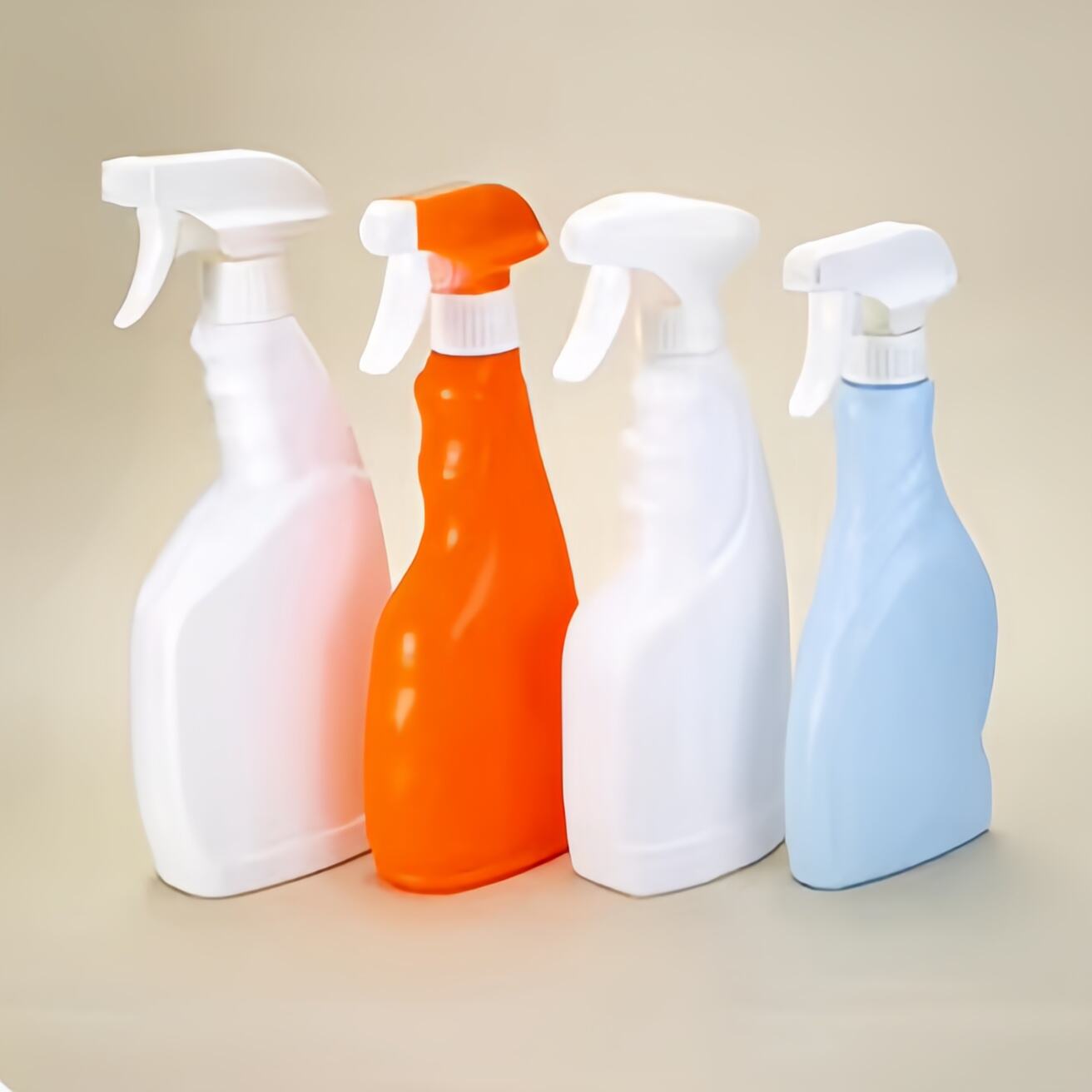
Lightweight Durability: Why PET Bottles for Liquids Excel in Logistics and Handling
Shatterproof Performance and Reduced Shipping Weight
Polyethylene terephthalate (PET) bottles deliver exceptional durability for liquid products—directly enhancing supply chain efficiency. Their shatterproof nature drastically reduces breakage during transit compared to glass, with industry data showing up to 80% fewer incidents. This minimizes product loss, contamination risks, and associated handling costs. PET’s lightweight profile—typically 30–40% lighter than equivalent glass containers—lowers freight expenses and carbon emissions across distribution networks. Beverage leaders have reported up to 25% reductions in transportation costs after transitioning to PET, all while maintaining product integrity through complex logistics routes.
Material Science Behind PET’s Clarity, Tensile Strength, and Oxygen/Moisture Barrier
PET’s semi-crystalline polymer structure underpins its performance advantages for liquid containment. Its high tensile strength-to-density ratio enables thinner, lighter walls without sacrificing impact resistance—measured at over 180 J/m per ASTM D256. The material resists hydrolysis in humid environments and transmits more than 90% of visible light, supporting premium shelf appeal. Crucially, PET’s amorphous regions form intrinsic barriers against oxygen (OTR < 1.0 cc/m²/day) and moisture (MVTR < 1.5 g/m²/day), preserving freshness in sensitive liquids like juices, plant-based dairy, and functional beverages—without requiring additional coatings or liners.
Cost Efficiency Across the Supply Chain for PET Bottles for Liquids
High-Speed Blow Molding, Lightweighting, and Design Flexibility
PET achieves cost leadership through scalable, high-efficiency manufacturing. Modern blow molding lines produce tens of thousands of bottles per hour, significantly lowering per-unit production costs. Progressive lightweighting—reducing average bottle weight by 5–10%—cuts resin consumption without compromising structural integrity. For example, removing just one gram per unit across a 100-million-bottle annual run saves over $150,000 in raw material costs. Design flexibility further amplifies savings: customizable neck finishes, wall thicknesses, and contours optimize pallet stacking and transport density. Using recycled PET (rPET) reduces energy demand by up to 75% versus virgin resin, insulating operations from volatile commodity pricing while sustaining throughput.
Dominant Market Adoption in Beverages and Liquid Consumer Goods
PET’s balance of affordability, performance, and sustainability has cemented its dominance across liquid categories—from carbonated soft drinks and bottled water to edible oils and household cleaners. Its lightweight, shatterproof construction lowers fuel use and eliminates costly breakage claims. With over 60% of consumers willing to switch brands for sustainable packaging, B2B buyers increasingly favor PET suppliers for long-term contracts. Extended shelf life—enabled by PET’s moisture and oxygen barrier properties—also reduces retailer waste and markdowns. This widespread adoption sustains economies of scale that continuously reinforce PET’s cost advantage across sourcing, production, logistics, and retail.
Regulatory Safety and Chemical Compatibility of PET Bottles for Liquids
FDA, EFSA, and Global Regulatory Approvals for Food-Contact Use
PET is globally recognized as safe for food-contact applications. The U.S. Food and Drug Administration (FDA) and European Food Safety Authority (EFSA) both confirm PET does not migrate harmful substances into beverages or foods under normal use conditions—based on rigorous migration testing and toxicological review. Manufacturers must also meet local requirements in key markets such as China and Japan. This broad regulatory consensus gives brand owners confidence that PET reliably protects consumer safety across diverse liquid formulations.
Resistance to Acids, Alcohols, and Carbonation — Preserving Product Integrity
PET’s molecular stability provides inherent resistance to weak acids (e.g., citric, acetic), low-concentration alcohols (<15%), and carbonation pressure. It maintains dimensional integrity and barrier performance without leaching, deformation, or flavor scalping. For carbonated beverages, PET effectively retains CO₂, preserving effervescence and shelf life. In household cleaners containing mild acidic components, it remains chemically inert. While compatibility should always be verified for aggressive solvents or high-alcohol formulations, PET consistently safeguards purity and performance across the vast majority of commercial liquid products.
Brand Appeal and Evolving Sustainability of PET Bottles for Liquids
Clarity, Custom Shape Versatility, and Premium Shelf Presence
PET’s glass-like clarity builds immediate consumer trust by showcasing product color, texture, and quality. Its thermoforming versatility allows manufacturers to create distinctive shapes—embossed contours, ergonomic grips, or slender silhouettes—that stand out on crowded shelves. These design freedoms support strong brand differentiation without compromising durability or lightweighting benefits. The result is packaging that feels premium yet performs efficiently: elegant tall bottles for premium waters, tapered profiles for functional shots, or textured surfaces for cleaning solutions—all optimized for both perception and logistics.
Closed-Loop Recycling, rPET Integration, and Industry Decarbonization Efforts
PET is among the most mature and widely recycled plastics, enabling true closed-loop systems where post-consumer bottles become new packaging. Incorporating recycled PET (rPET) reduces energy use and greenhouse gas emissions by up to 70% compared to virgin material. Major beverage and consumer goods companies have committed to ambitious rPET targets—driving investment in collection infrastructure and sorting technologies. Lightweighting complements these efforts by reducing material inputs and transport emissions. As policy frameworks tighten and circular economy expectations rise, innovations in mono-material design, label removal, and color standardization are accelerating PET’s role in a lower-carbon, more resilient packaging future.
FAQ
Why are PET bottles advantageous for logistics and handling?
PET bottles are lightweight, shatterproof, and reduce transportation costs significantly while maintaining product integrity across complex logistical routes.
Are PET bottles safe for food and beverages?
Yes, PET is approved by global regulatory authorities like the FDA and EFSA for food-contact applications, ensuring it does not migrate harmful substances into products.
How does PET protect the freshness of liquid products?
PET’s moisture and oxygen barrier properties prevent oxidation and preserve the freshness of sensitive liquids like juices and plant-based beverages.
What makes PET bottles sustainable?
PET is widely recycled and can be incorporated into new bottles via recycled PET (rPET), reducing energy consumption and greenhouse gas emissions.
How does PET enhance brand appearance?
PET’s glass-like clarity and versatile design options create premium shelf presence, enabling customization for distinctive branding while ensuring package durability.

