 EN
EN
Match Packaging Material and Structure to Product Chemistry and Physical Form
Material Compatibility: Preventing Degradation, Migration, or Instability in Lipsticks, Serums, and Creams
The chemistry of your cosmetic formula—not marketing trends—dictates packaging requirements. Incompatibility triggers degradation through leaching, oxidation, or ingredient migration: packaging components dissolving into the formulation, or actives reacting with container walls. Lipsticks require wax-compatible plastics that resist oil migration; acidic serums (e.g., L-ascorbic acid derivatives) demand inert glass or coated metals to prevent oxidation; water-rich creams need high-moisture-barrier materials to block humidity exchange. Without chemical compatibility testing—even luxury packaging accelerates spoilage: fragrances lose top notes, retinoids degrade, and natural extracts oxidize. Prioritizing material science over aesthetics ensures shelf-life integrity and consumer safety.
Structural Design Logic: Rigid Bottles for Liquids, Twist-Up Tubes for Solids, Airless Systems for Actives-Rich Formulas
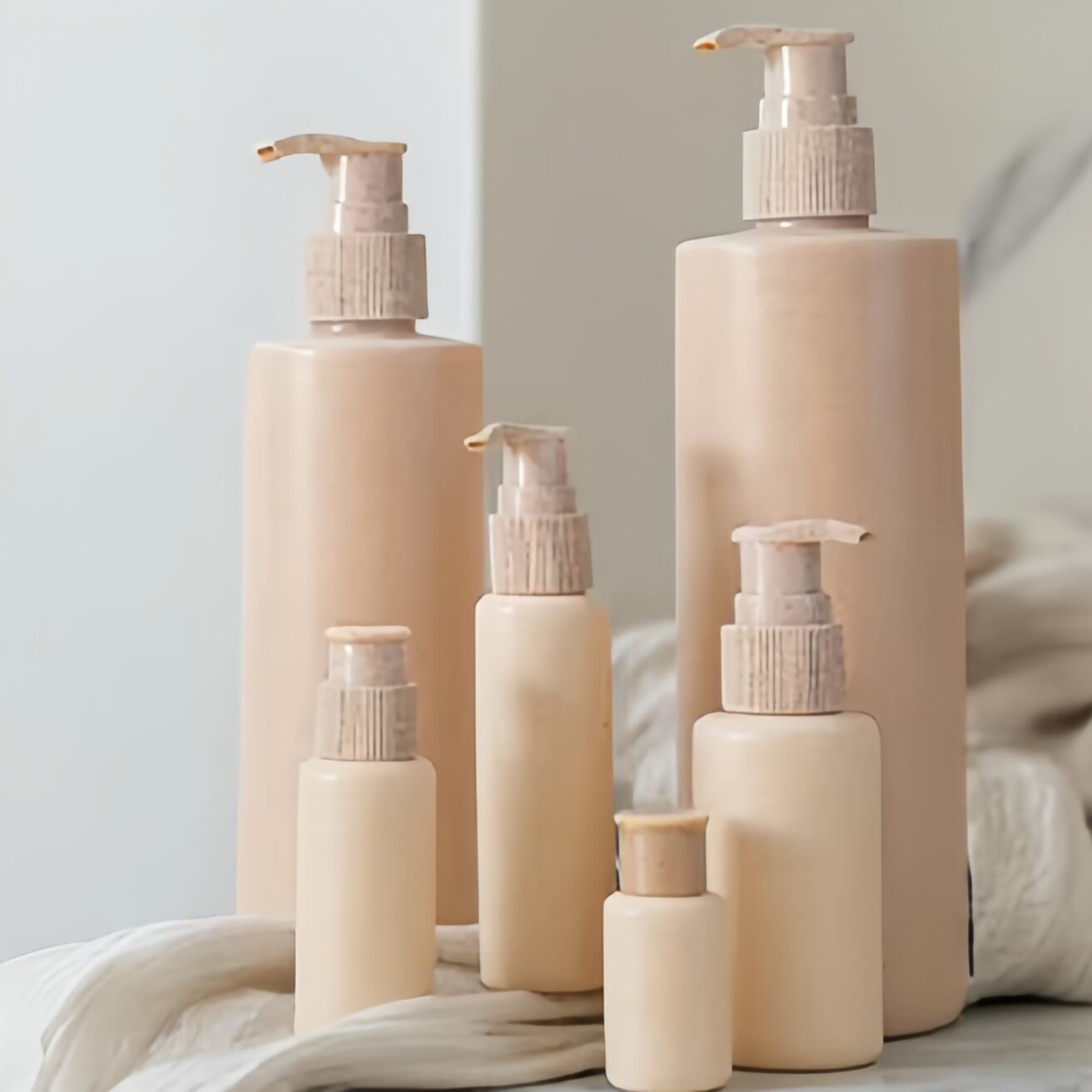
Physical product properties drive structural decisions. Liquids like toners or micellar waters require rigid bottles with leak-proof seals; viscous serums benefit from precision droppers. Solid formulations—deodorant sticks, lip balms—perform best in twist-up tubes with secure latching mechanisms. Airless pump systems are essential for oxygen-sensitive actives (vitamin C, retinoids, peptides), delivering exact doses via hermetic vacuum technology while eliminating air exposure and microbial ingress. Powdered cosmetics rely on sifter jars to prevent clumping and enable controlled application. Structural failures are immediate and visible: distorted bottles altering viscosity, cracked compacts exposing powders, or non-airless creams separating due to phase instability. Each format demands engineered solutions that balance protection, precise dispensing, and intuitive ergonomics.
Optimize Functional Performance by Product Category for Reliable Cosmetic Packaging Selection
Effective cosmetic packaging selection hinges on aligning functional performance—especially dispensing control and contamination prevention—with formulation-specific demands.
Dispensing Precision: Pumps, Droppers, and Metered Applicators Tailored to Viscosity and Dosing Needs
Applicator choice must match viscosity thresholds and dosage accuracy requirements:
- Low-viscosity liquids (toners, serums) require droppers for controlled single-drop delivery
- Medium-viscosity formulas (serums, lightweight creams) benefit from airless pumps that preserve oxygen-sensitive actives
- High-viscosity products (barrier creams, balms) perform best with wide-mouth jars or paddle applicators
- Fragrances and mists rely on metered spray systems calibrated to ±0.02mL variance at 0.1mL per actuation
Mismatched dispensers directly impact user experience and waste: 23% of consumers abandon packaging with poor flow control (Packaging Digest, 2023).
Hygiene & Preservation Integrity: Sealing Efficacy and Contamination Control Across Liquid, Cream, and Powder Formats
| Format | Critical Sealing Features | Contamination Prevention |
|---|---|---|
| Liquids | Hermetic screw closures | Anti-backflow valves |
| Creams | Double-sealed diaphragms | No-touch dispensing mechanisms |
| Powders | Sift-proof seals | Desiccant compartments |
| Emulsions | UV-blocking materials | Tamper-evident bands |
Air exposure degrades 78% of vitamin C serums within eight weeks without proper barriers. Powder products require internal moisture control maintaining <15% RH—critical for preventing caking and microbial growth.
Balance Brand Positioning with Practical Constraints in Cosmetic Packaging Selection
A brand’s packaging must communicate identity and deliver reliable function—without inflating cost or compromising usability. Successful cosmetic packaging selection reconciles perception, protection, and practicality.
Luxury vs. Value Trade-Offs: When Glass, Metal, or Custom Molding Enhances Perception—Without Compromising Function
Glass jars and metal accents signal premium quality—but introduce weight, fragility, and higher logistics costs. Custom molding can reinforce brand distinctiveness through unique silhouettes or tactile finishes. Yet these choices must never undermine durability, ease of use, or formula integrity. A heavy glass jar may convey luxury, but if it cracks during transit or resists opening, perceived value erodes. The objective is intentional material selection: one that elevates brand narrative while ensuring robust protection, intuitive interaction, and cost-aligned scalability.
Frequently Asked Questions (FAQ)
Why is material compatibility essential in cosmetic packaging?
Material compatibility ensures that the packaging does not react chemically with the product, preventing degradation, leaching, or instability of the formulation.
What are airless pump systems, and why are they important?
Airless pump systems use vacuum technology to dispense exact doses while protecting formulations from air exposure and microbial contamination, which is crucial for actives-rich cosmetics.
How do luxury packaging choices impact functionality?
While luxury materials like glass and metal enhance branding, they must also ensure durability, usability, and formula integrity to maintain perceived value.
What are common sealing features for cosmetic products?
Sealing features include hermetic screw closures for liquids, double-sealed diaphragms for creams, sift-proof seals for powders, and UV-blocking materials for emulsions.
How does packaging material influence product shelf life?
Proper packaging materials reduce oxidation, microbial ingress, and ingredient migration, safeguarding the product’s chemistry and extending its shelf life.

