
 EN
EN
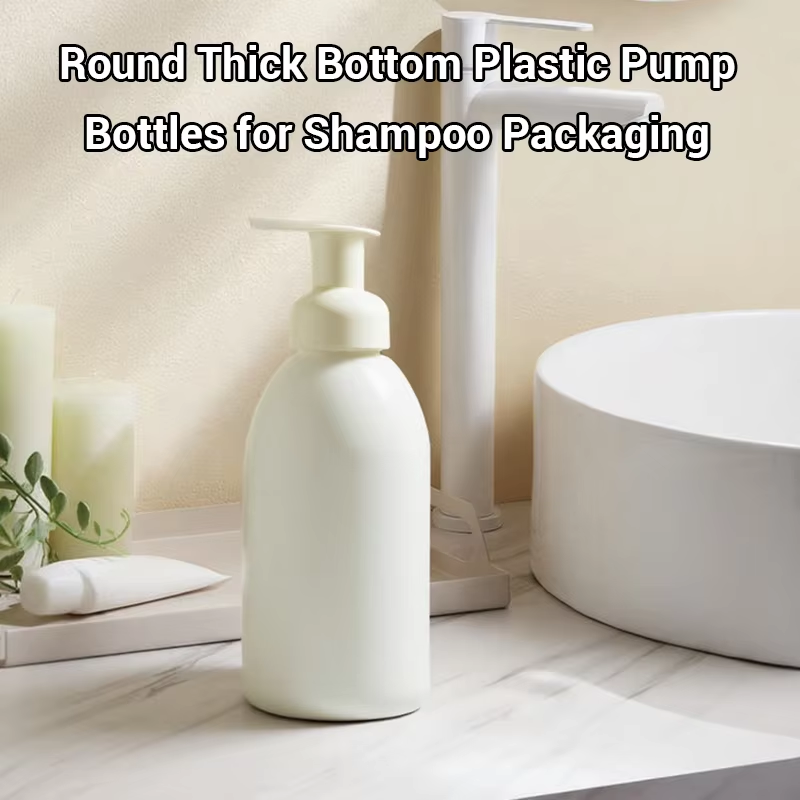
Light degradation poses one of the most significant threats to the stability and efficacy of cosmetic, pharmaceutical, and personal care formulations. Many active ingredients—including retinoids, vitamin C derivatives, essential oils, and botanical extracts—deteriorate rapidly when exposed to ultraviolet and visible light wavelengths. This photodegradation not only compromises product performance but also leads to discoloration, odor changes, and potential safety concerns. For manufacturers and formulators working with photosensitive compounds, selecting appropriate packaging becomes a critical quality control measure rather than merely an aesthetic choice. Brown plastic pump bottles have emerged as a scientifically validated solution that combines functional light protection with practical dispensing convenience, making them particularly well-suited for preserving formulation integrity throughout the product lifecycle.
The question of why brown plastic pump bottles specifically excel in protecting light-sensitive formulas requires understanding both the optical properties of pigmented polymers and the photochemical behavior of vulnerable ingredients. Unlike clear or lightly tinted containers that allow broad-spectrum light transmission, brown plastic pump bottles incorporate colorants that create a selective absorption barrier, blocking the specific wavelengths most responsible for photodegradation. This protective mechanism operates continuously from manufacturing through consumer use, extending shelf life and maintaining therapeutic or cosmetic effectiveness. Furthermore, the integration of pump dispensing systems with brown protective packaging addresses multiple formulation stability requirements simultaneously—minimizing air exposure during use while providing quantitative dose control—creating a comprehensive preservation solution that clear packaging alternatives cannot match.
The Science Behind Light-Induced Degradation in Sensitive Formulations
How Photochemical Reactions Compromise Product Stability
Photochemical degradation occurs when light energy excites molecules within a formulation, triggering unwanted chemical reactions that alter the product's composition. This process particularly affects conjugated molecular systems found in many active ingredients, where alternating single and double bonds create structures that readily absorb light energy. When photons strike these vulnerable molecules, they can initiate oxidation cascades, structural rearrangements, or complete molecular fragmentation. For instance, retinol and its derivatives undergo rapid isomerization and oxidation upon light exposure, converting therapeutically active all-trans configurations into less effective or inactive forms. Similarly, ascorbic acid and its esters oxidize progressively when exposed to light, changing from colorless to yellow and eventually brown while losing antioxidant capacity.
The wavelength specificity of photodegradation reactions makes selective light blocking particularly valuable. Research indicates that ultraviolet light in the 290-400 nanometer range causes the most severe damage to organic compounds, but visible light wavelengths extending into the blue spectrum also contribute significantly to degradation in many formulations. Brown plastic pump bottles address this vulnerability by incorporating pigments that absorb across both UV and short-wavelength visible regions, creating an effective barrier where it matters most. The amber coloration specifically targets the wavelength ranges most damaging to common cosmetic and pharmaceutical actives, while still allowing enough visible light transmission for users to gauge remaining product volume. This balanced approach to light filtration distinguishes brown packaging from both clear containers that offer no protection and opaque materials that completely obscure contents.
Critical Ingredients That Require Enhanced Photo Protection
Certain categories of ingredients demonstrate such pronounced photosensitivity that their inclusion in a formulation automatically necessitates protective packaging. Retinoids represent perhaps the most well-known photolabile class, with studies showing that retinol can lose over 80% of its activity after just a few hours of ambient light exposure in clear packaging. Vitamin C derivatives, particularly L-ascorbic acid, exhibit similar vulnerability, oxidizing rapidly in the presence of light and oxygen to form dehydroascorbic acid and other degradation products. Essential oils containing terpenes, aldehydes, and other volatile aromatic compounds also require protection, as photooxidation alters their fragrance profiles and can generate potentially irritating oxidation byproducts. Natural extracts rich in polyphenols, flavonoids, and carotenoids—increasingly popular in clean beauty formulations—display comparable sensitivity to light-induced degradation.
Beyond these widely recognized photosensitive ingredients, many preservative systems and functional additives also benefit from light protection. Phenoxyethanol, a common preservative, can undergo photolysis under extended light exposure, potentially reducing its antimicrobial effectiveness. Certain UV filters used in sunscreen formulations paradoxically degrade when exposed to the very radiation they're designed to block, making protective packaging important even for photoprotective products. Peptides and growth factors in anti-aging formulations demonstrate particular vulnerability to photodegradation, as their complex tertiary structures can unfold or fragment when exposed to energetic photons. The cumulative effect of protecting multiple sensitive ingredients simultaneously makes brown plastic pump bottles an insurance policy for formulation integrity, preserving the synergistic interactions that define high-performance products.
Optical Properties That Make Brown Plastic Superior for Light Protection
Understanding UV and Visible Light Transmission Characteristics
The protective capability of brown plastic pump bottles stems from their specific light transmission profile, which can be quantified through spectrophotometric analysis. High-quality amber polyethylene or PET containers typically block over 95% of UV radiation in the critical 280-400 nanometer range, with many formulations achieving near-complete UV opacity. This comprehensive UV blocking prevents the initiation of most photochemical degradation pathways that would otherwise compromise sensitive ingredients. Equally important, brown pigmentation extends protection into the visible spectrum, particularly attenuating blue and green wavelengths between 400-550 nanometers that contribute to secondary degradation reactions. This extended spectral protection distinguishes brown containers from green or blue alternatives that may block UV effectively but allow transmission of damaging visible wavelengths.
The amber coloration achieves this protective effect through selective light absorption rather than reflection or scattering. Iron oxide pigments commonly used to achieve brown coloration in plastic packaging possess molecular structures that preferentially absorb short-wavelength, high-energy photons while transmitting longer red and infrared wavelengths. This selective absorption converts potentially damaging light energy into harmless thermal energy dissipated throughout the container material. The thickness of brown plastic pump bottles further enhances this protective effect, as increased path length through pigmented polymer provides additional opportunities for photon absorption before light reaches the formulation inside. Manufacturers can optimize protection levels by adjusting pigment concentration and wall thickness, balancing maximum light protection against material cost and weight considerations relevant to shipping and handling.
Comparing Brown Plastic to Alternative Light-Blocking Materials
While glass amber bottles have historically served as the gold standard for photosensitive formulations, brown plastic pump bottles offer comparable or superior protection with significant practical advantages. Modern high-density polyethylene and PET formulations achieve light-blocking performance that matches traditional glass when properly pigmented, with laboratory testing confirming equivalent UV protection across most pharmaceutical and cosmetic applications. Plastic offers distinct benefits in terms of break resistance, weight reduction, and manufacturing flexibility that make it increasingly preferred for consumer products where handling safety and shipping efficiency matter. The ability to integrate pump dispensers directly into plastic bottle designs creates unified packaging systems impossible to replicate with glass, which typically requires separate closures and potential light leakage at the interface.
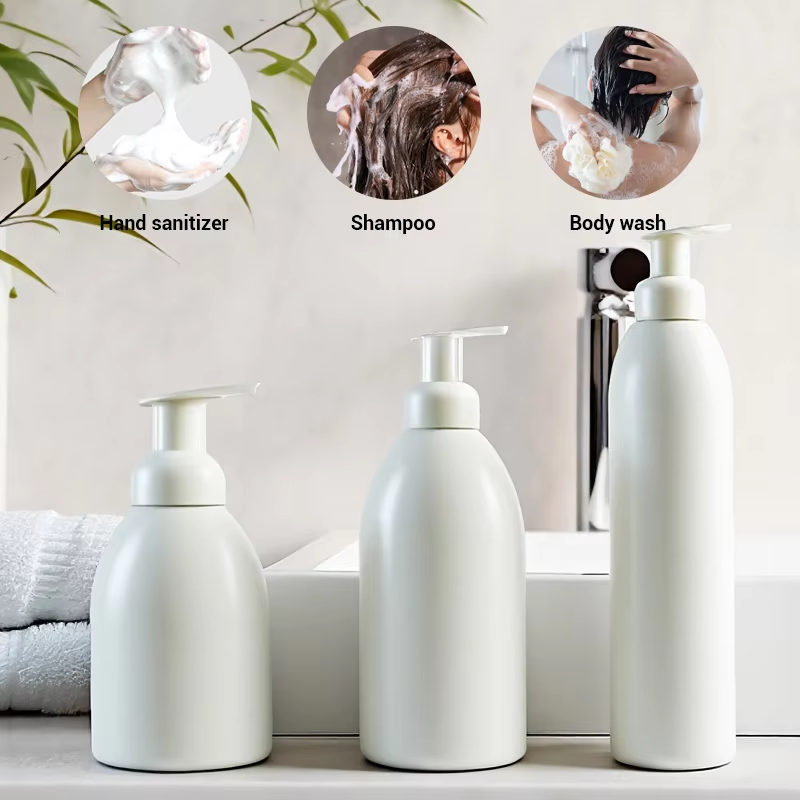
Opaque white or colored plastics represent another alternative approach to light protection, blocking virtually all light transmission through complete opacity. However, this total light exclusion creates practical disadvantages for consumer products, as users cannot visually assess remaining product quantity or detect contamination through appearance changes. Brown plastic pump bottles strike an optimal balance, providing sufficient transparency for content visualization while maintaining robust photoprotection. Additionally, the warm aesthetic of amber packaging communicates natural product positioning and pharmaceutical credibility that aligns with consumer expectations for premium formulations. Compared to metallized or multi-layer barrier films that achieve light blocking through reflective coatings, solid brown pigmentation throughout the plastic matrix offers more durable protection that won't degrade with scratching or handling wear over time.
Functional Advantages of Pump Dispensing Systems for Stability
Minimizing Oxidative Degradation Through Airless Design
Light sensitivity rarely exists in isolation—most photolabile ingredients also demonstrate vulnerability to oxidative degradation when exposed to atmospheric oxygen. This dual sensitivity makes the pump dispensing format particularly synergistic with brown plastic packaging, as pump mechanisms inherently limit air exposure during product use. Traditional screw-cap bottles require users to remove the entire closure for each application, allowing fresh air to enter the headspace and contact the formulation surface. Over repeated use cycles, this cumulative oxygen exposure accelerates oxidation of sensitive actives, an effect that multiplies when combined with any light exposure that penetrates inadequate packaging. Brown plastic pump bottles address this compounded degradation risk by restricting air ingress to the minimal amount displaced during each pump stroke.
Advanced airless pump designs incorporated into brown plastic bottles take this protection even further by employing internal pistons or collapsible chambers that maintain positive pressure inside the container. As product dispenses, the internal mechanism advances to fill the evacuated space, preventing vacuum formation that would otherwise draw air into the container. This continuous positive-pressure environment essentially eliminates oxygen contact with the bulk formulation throughout the product's use phase, preserving ingredient stability far beyond what light protection alone could achieve. For formulations containing both photosensitive and oxygen-sensitive ingredients—such as vitamin C serums combining ascorbic acid with ferulic acid—the combination of brown light-blocking plastic and airless pump technology creates optimal preservation conditions. This integrated approach to stability extends effective shelf life from months to potentially years, reducing waste and ensuring consumers receive full therapeutic benefit throughout the product lifecycle.
Dosage Consistency and Contamination Prevention Benefits
Beyond stability preservation, pump dispensers integrated with brown plastic bottles deliver consistent dosage quantities that improve user compliance and product performance. Each pump stroke delivers a predetermined volume—typically 0.5 to 2.0 milliliters depending on formulation viscosity and intended application—eliminating the guesswork and potential over-application associated with pour or squeeze bottles. This dosage precision matters particularly for concentrated formulations where active ingredients require careful application rates to balance efficacy against potential irritation. For prescription dermatological products or professional skincare treatments, the quantitative control offered by pump dispensing supports proper usage protocols that maximize therapeutic outcomes while minimizing adverse reactions from excessive application.
The closed-system nature of brown plastic pump bottles also significantly reduces microbial contamination risk compared to jar packaging or wide-mouth containers. Users never directly contact the bulk formulation, eliminating the primary vector for introducing bacteria, fungi, or environmental contaminants into the product. This hygienic dispensing becomes especially critical for preservative-free or naturally preserved formulations that lack robust antimicrobial systems, as well as for products intended for compromised skin or medical applications where infection risk concerns dictate stricter contamination controls. The combination of contamination prevention and light protection makes brown plastic pump bottles ideal for clean beauty formulations that minimize synthetic preservatives while maintaining appropriate safety margins. The pump mechanism's self-contained design prevents backflow that could introduce used product or external contaminants into the container, maintaining formulation purity from first use to final pump stroke.
Material Selection and Manufacturing Considerations
Plastic Resin Types and Their Protective Performance
The effectiveness of brown plastic pump bottles depends significantly on the base polymer selected for bottle manufacturing. High-density polyethylene (HDPE) represents the most common material choice, offering excellent chemical resistance, impact strength, and barrier properties at reasonable cost. When properly pigmented with iron oxide or organic brown colorants, HDPE bottles achieve UV transmission values below 5% across the critical 280-400 nanometer range. HDPE's semi-crystalline structure also provides good moisture barrier properties that complement light protection, preventing water ingress that could destabilize hygroscopic ingredients or dilute preservative systems. The material's flexibility allows integration of various pump designs while maintaining structural integrity through typical shipping and handling stresses.
Polyethylene terephthalate (PET) offers an alternative material platform with distinct advantages for certain applications. PET's superior clarity in its natural state allows manufacturers to achieve brown plastic pump bottles with more precise color control and aesthetic consistency. The material's higher rigidity compared to HDPE creates bottles with more premium tactile properties and potentially better pump integration for high-viscosity formulations requiring significant dispensing force. PET also demonstrates excellent resistance to essential oils and fragrance components that can potentially interact with or permeate through polyethylene over extended storage. For formulations containing high concentrations of volatile organics, brown PET bottles may offer enhanced containment compared to HDPE alternatives. However, PET's slightly higher oxygen permeability requires careful evaluation for formulations where oxygen exclusion represents a critical stability parameter beyond light protection.
Pigment Selection and Concentration Optimization
Achieving optimal photoprotection in brown plastic pump bottles requires careful selection and dosing of colorant systems during manufacturing. Iron oxide pigments—particularly those designated as CI 77491, CI 77492, and CI 77499—provide the most stable and effective brown coloration for plastic packaging applications. These inorganic pigments offer excellent heat stability during plastic processing, chemical inertness that prevents interaction with packaged formulations, and lightfast properties ensuring color consistency throughout product shelf life. Manufacturers typically incorporate iron oxides at concentrations ranging from 0.5% to 2.0% by weight, with higher concentrations delivering enhanced UV blocking but potentially impacting transparency for content visibility. The specific iron oxide blend and concentration must balance maximum photoprotection against practical requirements for users to see remaining product levels.
Organic brown colorants represent an alternative approach with different performance characteristics. Umber and sienna pigments derived from naturally occurring earth minerals can create appealing warm brown tones that communicate natural product positioning. However, these organic pigment systems generally demonstrate lower heat stability during plastic extrusion or injection molding, potentially limiting processing temperature windows. Carbon black additions can enhance UV blocking effectiveness when combined with brown pigments, creating darker amber tones with near-complete UV opacity. For maximum protection applications—such as pharmaceutical preparations containing extremely photolabile compounds—manufacturers may employ pigment combinations that sacrifice some transparency for enhanced protection. The pigment dispersion quality throughout the plastic matrix also impacts protective consistency, requiring appropriate compounding techniques to ensure uniform colorant distribution that eliminates weak points where light might penetrate more readily.
Practical Applications Across Industries and Formulation Types
Cosmetic and Skincare Applications
The cosmetic and personal care industry represents the largest application segment for brown plastic pump bottles, driven by the proliferation of formulations containing photosensitive active ingredients. Anti-aging serums incorporating retinoids, peptides, and growth factors absolutely require light-protective packaging to maintain efficacy claims throughout the product's shelf life. Vitamin C treatments—whether formulated as pure L-ascorbic acid or more stable derivatives—benefit dramatically from brown bottle protection combined with airless pump dispensing that minimizes both light and oxygen exposure. Natural and organic skincare brands particularly favor brown plastic pump bottles as the packaging aesthetic aligns with clean beauty positioning while delivering the technical protection that botanical extracts and plant oils require. The pump format also suits the viscosity range of most cosmetic emulsions and serums, providing smooth dispensing for products ranging from watery essences to rich treatment creams.
Hair care formulations represent another significant application area where brown plastic pump bottles deliver both functional and aesthetic benefits. Professional salon products containing keratin treatments, bond-building complexes, or color-protecting antioxidants require the same light protection as facial skincare formulations, as many hair care actives demonstrate similar photosensitivity profiles. Scalp treatment serums with therapeutic ingredients benefit from pump dispensing that enables precise application directly to target areas without excess product waste. The larger capacity options available in brown plastic pump bottle formats—ranging from 250ml to 1000ml—accommodate the volume requirements typical of body care and hair care applications while maintaining consistent photoprotection across the entire size range. For brands seeking packaging unification across product lines, brown plastic pump bottles provide scalable solutions from travel sizes through professional bulk formats.
Pharmaceutical and Therapeutic Product Packaging
Pharmaceutical applications impose the most stringent requirements for light protection, making brown plastic pump bottles essential for many topical medication formulations. Prescription retinoid treatments like tretinoin require USP-compliant light-resistant packaging to maintain labeled potency throughout the product's expiration date. Compounded dermatological preparations containing multiple photosensitive actives benefit from the comprehensive protection that brown packaging with pump dispensing provides. The dosage precision inherent to pump systems also supports therapeutic compliance, as patients receive consistent quantities that align with prescribing instructions for frequency and coverage area. For over-the-counter pharmaceutical products—including acne treatments with benzoyl peroxide, anti-fungal preparations, and wound care formulations—brown plastic pump bottles deliver medical-grade protection standards while maintaining consumer-friendly usability.
Veterinary dermatological products represent a specialized pharmaceutical application where brown plastic pump bottles offer unique advantages. The pump dispensing format enables pet owners to apply treatments without directly handling potentially irritating medications, while the brown plastic construction withstands the rougher handling typical in veterinary contexts better than glass alternatives. Nutraceutical liquid supplements containing photosensitive vitamins, omega fatty acids, or botanical extracts also benefit from brown plastic packaging, particularly when formulated for daily dosing where pump dispensing facilitates consistent administration. The material compatibility of pharmaceutical-grade HDPE with a broad range of active pharmaceutical ingredients and excipients makes brown plastic pump bottles suitable for diverse therapeutic categories beyond dermatology, including ophthalmic preparations, nasal medications, and topical analgesics where light protection and contamination control both contribute to product integrity.
Sustainability Considerations and Environmental Impact
Recyclability and Circular Economy Integration
Environmental sustainability has become a critical consideration in packaging selection, requiring evaluation of brown plastic pump bottles within broader ecological impact frameworks. HDPE and PET—the primary materials used for brown plastic bottles—both belong to widely recyclable polymer categories with established collection and reprocessing infrastructure in most developed markets. The brown pigmentation does not significantly impair recyclability, as modern sorting facilities can successfully identify and process colored plastics alongside natural resin streams. However, the integrated pump mechanism introduces complexity, as the multi-component dispensing system typically combines multiple plastic types, metal springs, and potentially silicone gaskets that require separation before effective recycling can occur. This design-for-disassembly challenge has prompted some manufacturers to develop pump systems with snap-fit assembly that consumers can readily separate for proper material stream disposal.
Post-consumer recycled (PCR) content integration represents another sustainability dimension where brown plastic pump bottles demonstrate improving environmental profiles. Advances in recycling technology now enable incorporation of 25-50% PCR HDPE or PET into new bottle production without compromising mechanical properties or barrier performance. The brown coloration actually facilitates PCR integration by masking the slight color variations inherent in recycled resin streams, allowing higher recycled content percentages than clear bottles could accommodate while maintaining aesthetic consistency. Some forward-thinking brands now specify 100% PCR brown plastic pump bottles for formulations where the slightly reduced barrier properties remain adequate for product stability requirements. This circular approach dramatically reduces the carbon footprint associated with virgin resin production while delivering equivalent functional protection for light-sensitive formulas. Industry initiatives promoting deposit-return systems and advanced recycling technologies continue improving the end-of-life environmental performance of brown plastic packaging.
Material Efficiency and Life Cycle Considerations
Beyond recyclability, the overall environmental impact of brown plastic pump bottles must consider material efficiency throughout the product life cycle. Plastic packaging's light weight compared to glass equivalents generates significant transportation emission reductions, as shipping fuel consumption correlates directly with cargo mass. A typical 100ml brown plastic bottle weighs approximately 15-20 grams compared to 80-100 grams for equivalent glass packaging, reducing transportation emissions by 60-75% across the distribution chain. The break resistance of plastic also eliminates product loss from damage during shipping and handling, avoiding the environmental impact of replacing broken units. For global brands distributing products internationally, these logistics advantages translate into measurable carbon footprint reductions that partially offset the fossil fuel origins of plastic materials.
Durability and extended product shelf life enabled by brown plastic pump bottles contribute additional environmental benefits often overlooked in packaging sustainability assessments. By preserving formulation stability and preventing premature degradation, light-protective packaging reduces product waste from consumers discarding ineffective or deteriorated contents. This waste prevention extends the effective use phase of each product unit, improving the resource efficiency ratio between packaging inputs and delivered consumer benefit. For premium formulations with complex ingredient supply chains—particularly those containing rare botanicals or biotechnology-derived actives—preserving product efficacy through superior packaging delivers disproportionate environmental value by preventing waste of these resource-intensive ingredients. Life cycle assessments increasingly recognize this extended-value perspective, crediting packaging innovations like brown plastic pump bottles that enhance product longevity alongside traditional metrics focused solely on packaging material origins and end-of-life management.
FAQ
What specific wavelengths do brown plastic pump bottles block most effectively?
Brown plastic pump bottles excel at blocking ultraviolet radiation across the 280-400 nanometer range, typically achieving over 95% attenuation in this critical spectrum where most photochemical degradation initiates. The amber pigmentation also provides significant protection extending into visible wavelengths up to approximately 550 nanometers, effectively blocking blue and green light that contributes to secondary degradation pathways. This extended protection covers the wavelength ranges most damaging to common cosmetic actives like retinoids, vitamin C derivatives, and botanical extracts. Higher pigment concentrations can push protective blocking further into the visible spectrum, though this comes at the cost of reduced transparency for viewing remaining product levels.
Can brown plastic pump bottles protect formulations as effectively as amber glass containers?
Modern brown plastic pump bottles formulated with appropriate pigment concentrations achieve light-blocking performance equivalent to traditional amber glass for most cosmetic and pharmaceutical applications. Spectrophotometric testing confirms that properly manufactured brown HDPE or PET bottles block comparable percentages of UV and short-wavelength visible light as glass alternatives. Plastic actually offers advantages in terms of oxygen barrier properties when combined with airless pump technology, potentially delivering superior overall stability protection for formulations sensitive to both light and oxidation. The primary performance difference emerges in applications requiring absolute maximum protection for extremely photolabile compounds, where thicker glass walls or specialized barrier coatings might provide marginal additional blocking, though such extreme protection rarely proves necessary for consumer products.
How long can light-sensitive formulations remain stable in brown plastic pump bottles?
Stability duration depends on multiple factors including specific ingredient sensitivities, formulation pH and preservative systems, storage temperature, and the quality of the brown plastic packaging itself. Generally, well-formulated products in high-quality brown plastic pump bottles maintain stability for 12-36 months under normal storage conditions, meeting typical cosmetic and pharmaceutical shelf life requirements. Accelerated stability testing protocols demonstrate that brown packaging can extend the viable shelf life of photosensitive formulations by 3-5 times compared to clear containers under equivalent conditions. For maximum stability, brown plastic pump bottles should be stored away from direct sunlight and extreme temperatures, as heat can accelerate degradation pathways independent of light exposure. Formulations combining multiple sensitive ingredients may require additional stabilization strategies beyond packaging protection, including antioxidant systems and chelating agents that address chemical degradation mechanisms.
Are there any formulation types that should not be packaged in brown plastic pump bottles?
While brown plastic pump bottles suit most cosmetic and pharmaceutical formulations, certain product types may require alternative packaging approaches. Extremely aggressive chemical formulations—particularly those with very low or high pH extremes, high concentrations of organic solvents, or strong oxidizing agents—may interact with plastic materials over extended storage, potentially causing embrittlement, discoloration, or permeation. In such cases, specialized barrier coatings or glass packaging may prove more appropriate. Products requiring complete light exclusion for regulatory compliance or extreme photosensitivity may need opaque rather than translucent brown packaging. Additionally, very low-viscosity formulations or those prone to foaming may not dispense effectively through standard pump mechanisms, requiring specialized dispensing systems or alternative closure types regardless of the container's light-protective properties.
Table of Contents
- The Science Behind Light-Induced Degradation in Sensitive Formulations
- Optical Properties That Make Brown Plastic Superior for Light Protection
- Functional Advantages of Pump Dispensing Systems for Stability
- Material Selection and Manufacturing Considerations
- Practical Applications Across Industries and Formulation Types
- Sustainability Considerations and Environmental Impact
-
FAQ
- What specific wavelengths do brown plastic pump bottles block most effectively?
- Can brown plastic pump bottles protect formulations as effectively as amber glass containers?
- How long can light-sensitive formulations remain stable in brown plastic pump bottles?
- Are there any formulation types that should not be packaged in brown plastic pump bottles?

