
 EN
EN
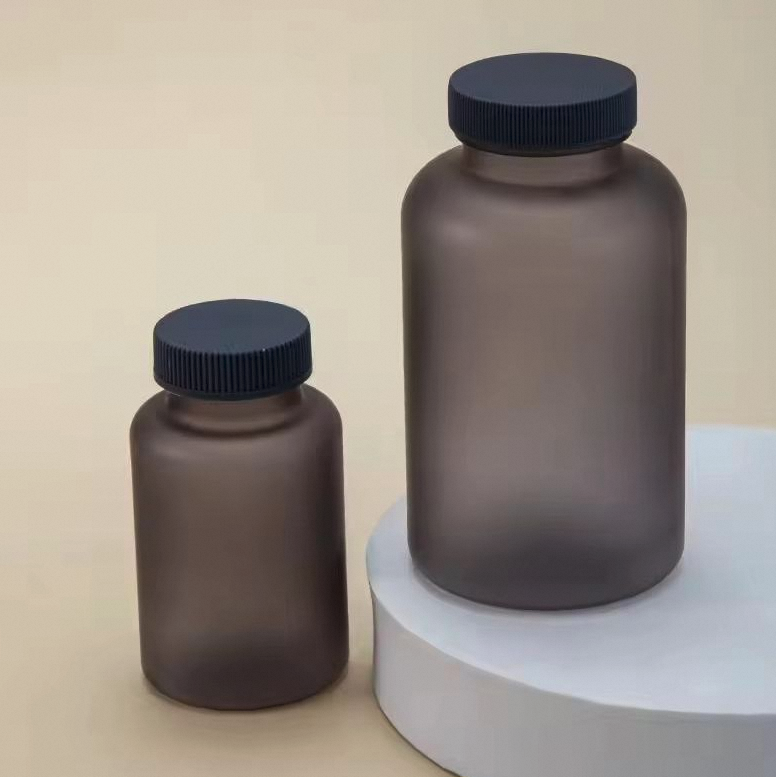
UV Protection: How Amber Bottle Packaging Prevents Photodegradation
Mechanisms of Light-Induced Degradation in Active Ingredients
Exposure to light triggers photochemical reactions that break down molecular structures in pharmaceuticals and cosmetics. Retinoids, vitamin C, essential oils, resveratrol, and coenzyme Q10 are especially vulnerable—UV photons initiate oxidation pathways that reduce potency, accelerate discoloration, and shorten shelf life. Amber bottle packaging prevents this damage by absorbing harmful radiation before it reaches the formulation. The glass matrix is infused with iron, sulfur, and carbon during manufacturing, creating a permanent, intrinsic barrier that dissipates UV energy as heat—unlike temporary spray-on coatings that wear off over time. This structural protection enables products to retain efficacy from production through end use and often reduces reliance on additional preservatives. Studies show amber glass can block up to 99% of UV radiation across the 200–400 nm range.
Spectral Filtering: Why Amber and Brown Glass Block UV-A, UV-B, and Blue Light
Amber glass doesn’t merely darken the container—it selectively filters wavelengths critical to photodegradation. Its composition absorbs radiation across 200–450 nm, covering the full UV spectrum (UV-C, UV-B, and UV-A) and the lower end of visible blue light (400–450 nm), which also drives degradation in sensitive actives like retinol and vitamin C. In contrast, clear or flint glass offers negligible UV filtration. Amber glass blocks up to 98% of UV-B and a high percentage of UV-A rays, while its brown hue stems from controlled additions of iron, sulfur, and carbon—elements that chemically stabilize the glass structure. For brands formulating with light-labile ingredients, amber packaging often eliminates the need for secondary opaque cartons, reducing material use and streamlining logistics without compromising stability.
Regulatory and Stability Requirements Driving Amber Bottle Packaging Adoption
Pharmaceutical Stability Protocols (ICH Q1–Q5) and Light Testing Mandates
Global regulatory frameworks—including the ICH Q1–Q5 guidelines—mandate rigorous photo-stability testing to ensure drug safety, potency, and absence of toxic degradation byproducts. These protocols require manufacturers to assess product integrity under controlled light exposure, and amber bottle packaging is widely recognized as a compliant primary packaging solution. By blocking UV and short-wavelength visible light, amber glass helps formulations meet ICH Q5C photostability requirements without requiring supplemental shielding. Compliance is mandatory for market authorization in the U.S., EU, Japan, and other major jurisdictions—making amber glass the de facto standard for light-sensitive APIs such as nitroglycerin, epinephrine, and certain biologics.
Cosmetic Formulation Challenges: Retinol, Vitamin C, and Other Light-Labile Actives
Cosmetic formulations increasingly rely on high-potency, light-labile actives—retinol, L-ascorbic acid, ferulic acid, and niacinamide among them—whose instability poses real challenges for shelf life, performance consistency, and consumer experience. Exposure to ambient light causes rapid oxidation, yellowing, and loss of bioactivity. Amber bottle packaging provides a passive, reliable barrier that maintains ingredient integrity without reformulation or excessive preservative loading. As cosmetic regulations—such as those enforced by the EU’s CPNP and the U.S. FDA—tighten around product stability and labeling accuracy, brands adopting amber glass demonstrate proactive compliance and mitigate risk of recalls or customer complaints tied to degraded performance.
Functional Superiority and Brand Alignment of Amber Bottle Packaging
Amber bottle packaging delivers dual value: technical performance and strategic brand expression. Functionally, it blocks >95% of UV and blue light, preserving the stability and efficacy of sensitive actives while extending shelf life and reducing formulation waste. Operationally, this translates to lower rework rates, fewer stability failures, and simplified supply chain logistics. Beyond utility, amber glass carries strong perceptual associations—heritage, purity, scientific rigor, and premium quality—that resonate across pharmaceutical, dermatological, and prestige beauty segments. Consumers consistently rate amber-packaged products as more trustworthy and efficacious than those in clear or lightly tinted containers. Its tactile weight, subtle luster, and muted tone reinforce professionalism and care in formulation—aligning seamlessly with brands committed to ingredient integrity, transparency, and long-term consumer trust. In today’s competitive landscape, where packaging is an extension of the product itself, amber bottles fulfill both functional necessity and emotional resonance without compromise.
FAQ
Q: What is the main purpose of amber bottle packaging?
A: Amber bottle packaging protects sensitive products from photodegradation by blocking UV and blue light, which can degrade active ingredients.
Q: What ingredients are most commonly protected by amber glass?
A: Ingredients like retinoids, vitamin C, essential oils, resveratrol, niacinamide, and coenzyme Q10 are particularly vulnerable to light and benefit from amber bottle packaging.
Q: How does amber glass compare to clear glass in UV protection?
A: Amber glass filters up to 99% of UV (200–400 nm) radiation and blocks a large portion of UV-A and blue light, while clear glass offers negligible UV filtration.
Q: Does amber glass comply with regulatory guidelines?
A: Yes, amber glass meets global regulatory standards like those outlined in ICH Q1–Q5 for pharmaceutical and cosmetic product stability and safety.
Q: Are there environmental benefits to using amber glass?
A: Amber glass often eliminates the need for secondary packaging, reducing material use and streamlining logistics.

