
 EN
EN
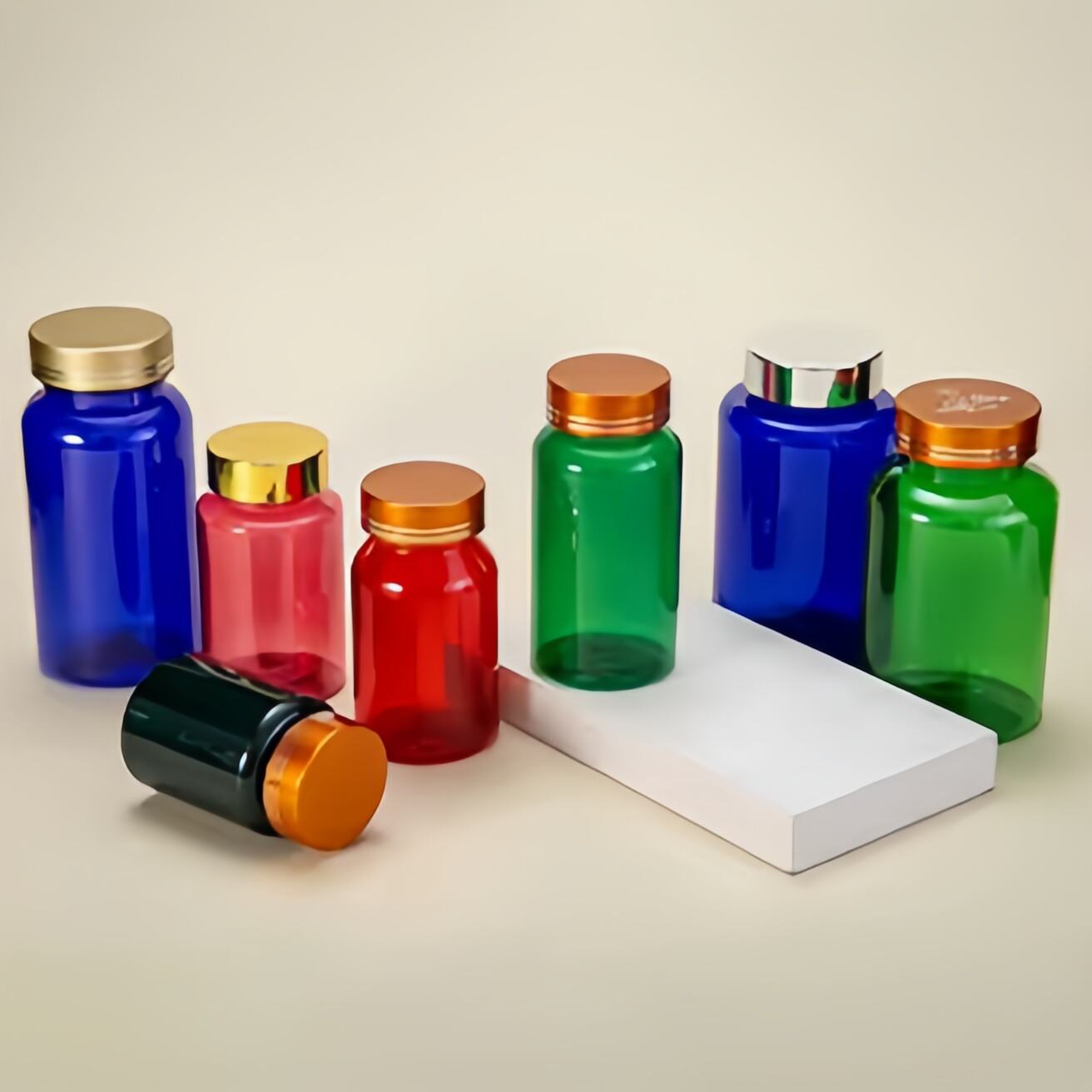
Performance Benefits of Plastic Personal Care Containers
Superior Barrier Protection for Formulation Integrity
Plastic personal care containers provide exceptional barrier properties—blocking oxygen, moisture, and UV light—to preserve sensitive formulations like retinoids and vitamin C. This protection prevents ingredient degradation and microbial growth, extending shelf life and maintaining potency. Unlike fragile glass, plastic delivers consistent, impact-resistant protection across the entire product lifecycle. Research by Ponemon (2023) links compromised barrier performance to nearly $740k in annual stability-related losses for mid-sized brands—highlighting how critical this function is to product integrity and brand reputation.
Lightweight, Durable Design Enhancing User Experience and Logistics
Plastic containers weigh 40–60% less than glass or metal alternatives, cutting transportation costs and carbon emissions while improving logistics efficiency. Their high impact resistance reduces in-transit damage—keeping breakage rates below 0.5%. Ergonomic features such as textured grips, squeezable bodies, and travel-friendly closures enhance usability, especially for in-shower products like shampoos and conditioners. Stackable, dimensionally consistent designs also optimize warehouse storage and ensure leak-proof performance under real-world temperature fluctuations.
Precision Molding Enables Brand-Specific Ergonomics and Aesthetics
Injection molding allows high-volume production of intricate, brand-differentiating shapes with micron-level accuracy. This supports functional ergonomics—like contoured lotion pumps and serum droppers that enable precise application—as well as aesthetic versatility: transparent PET for product visibility, matte finishes for premium perception, and custom color matching aligned with brand identity. Integrated dispensing mechanisms, tactile surfaces, and thoughtful closure systems transform packaging into a tangible expression of brand values—without compromising performance.
Economic and Operational Advantages of Plastic Personal Care Containers
Lower Cost-Per-Unit Compared to Glass, Metal, or Bio-Based Alternatives
Plastic containers offer compelling cost advantages: production expenses are typically 20–30% lower than glass, and weight reductions of 60–70% directly lower freight, fuel, and handling costs. With breakage rates under 0.5%, plastic minimizes waste and replacement logistics—unlike brittle alternatives. These efficiencies free up capital for formulation R&D and marketing investment, rather than absorbing packaging overhead.
Mature Global Supply Chain and Established Tooling Infrastructure
Decades of refinement have built a globally distributed, highly responsive plastics manufacturing ecosystem tailored to personal care needs. Injection molding capacity exists across Asia, Europe, and the Americas—enabling rapid scale-up, regional sourcing flexibility, and faster time-to-market. Tooling modifications for new designs are quicker and more predictable than with emerging materials, reducing development risk. This operational reliability and supply chain resilience remain unmatched by newer alternatives—making plastic the pragmatic choice for brands balancing speed, scale, and consistency.
Regulatory and Safety Validation Barriers for Non-Plastic Alternatives
Switching from plastic to glass, metal, or bio-based alternatives triggers extensive regulatory revalidation—not just for material safety, but for full system compatibility. Each non-plastic format must meet jurisdiction-specific standards: FDA food-contact requirements, EU Packaging and Packaging Waste Directive compliance, and EPA chemical emission thresholds. Bioplastics, for example, require rigorous testing for leachable endocrine disruptors; metal containers demand corrosion and heavy-metal migration studies. PFAS restrictions further complicate approval of barrier coatings used in compostable or paper-based options. These validations routinely span 3–5 years, incur significant R&D spend, and reset certification timelines with every design change—underscoring why plastic’s long-established regulatory track record remains a decisive advantage for brands prioritizing compliance certainty and speed-to-market.
The Recycling Reality: Why Recovery Rates Don’t Translate to Circular Use
Technical Limitations in Sorting and Reprocessing Multi-Layer and Colored Plastics
Despite growing emphasis on recyclability, most plastic personal care containers face steep technical barriers to true circularity. Multi-layer laminates—commonly combining PET with polyethylene or aluminum for enhanced barrier performance—are economically unfeasible to separate, resulting in near-zero recycling rates for such structures (Ellen MacArthur Foundation). Optical sorting systems at Material Recovery Facilities (MRFs) also struggle with deep pigments and carbon-black additives, frequently misclassifying these containers as contaminants. Even trace PVC contamination (as low as 1–2%) can disqualify entire PET bales from food-grade reuse. These systemic limitations reveal a critical gap: high collection rates do not equate to viable feedstock for closed-loop manufacturing—making functional recyclability far more complex than headline recovery statistics suggest.
FAQs
Why are plastic containers preferred for personal care products?
Plastic containers are preferred for their lightweight, impact-resistant properties, precise molding options, cost-effectiveness, and long-established regulatory approvals. They also enhance logistics efficiency and meet user-friendly design needs.
What are the limitations of recycling plastic personal care containers?
Plastic containers often face challenges during recycling due to multi-layer laminates, deep pigments, and contamination, which make sorting and reprocessing difficult for true circular use.
How does plastic improve the durability of personal care containers?
Plastic's high impact resistance reduces in-transit damage and ensures leak-proof performance under varying temperature fluctuations, leading to minimal product waste and enhanced reliability.
Are plastic containers cost-effective compared to glass or metal alternatives?
Yes, plastic containers are typically 20–30% cheaper to produce, with weight reductions cutting freight and handling expenses by 60–70%. This makes them a more economical option.
What are the regulatory advantages of using plastic over other materials?
Plastic has a long-established track record for material safety and compliance with global regulations, unlike alternatives that require extensive and costly revalidation processes.
Table of Contents
- Performance Benefits of Plastic Personal Care Containers
- Economic and Operational Advantages of Plastic Personal Care Containers
- Regulatory and Safety Validation Barriers for Non-Plastic Alternatives
- The Recycling Reality: Why Recovery Rates Don’t Translate to Circular Use
-
FAQs
- Why are plastic containers preferred for personal care products?
- What are the limitations of recycling plastic personal care containers?
- How does plastic improve the durability of personal care containers?
- Are plastic containers cost-effective compared to glass or metal alternatives?
- What are the regulatory advantages of using plastic over other materials?

