
 EN
EN
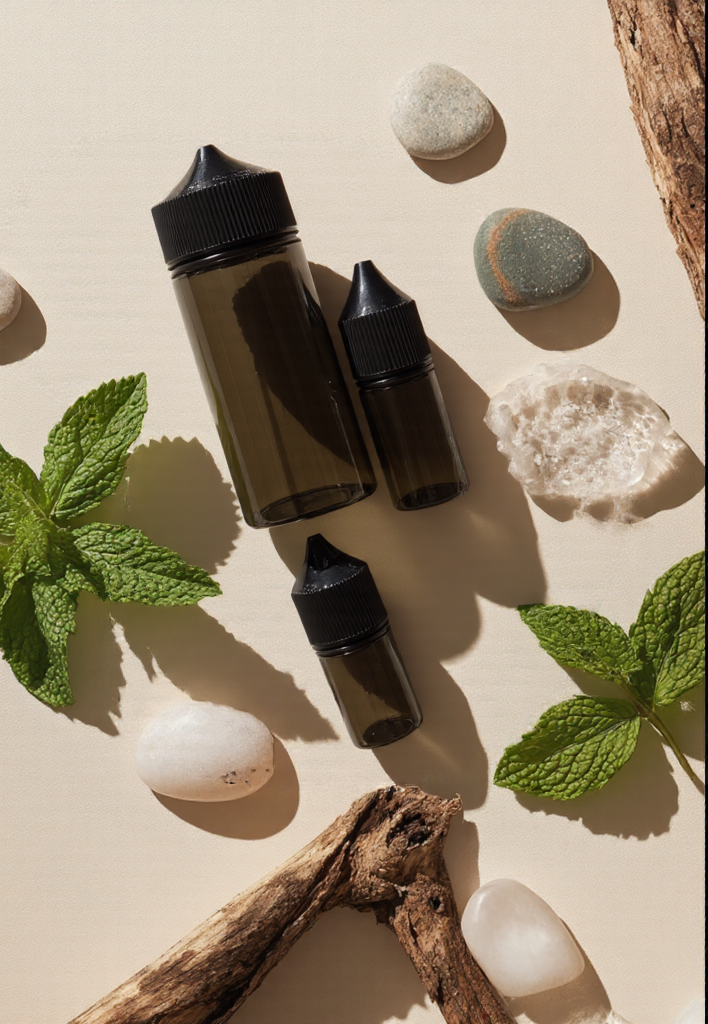
Easy-Open and Resealable Packaging Features for Daily Convenience
Consumers increasingly demand packaging that reduces effort and preserves product quality. Integrating low-effort opening mechanisms and reliable resealability directly addresses daily frustrations, improves brand perception, and supports repeat purchases.
Low-effort opening mechanisms: tear tapes, push-pull caps, and laser-perforated seals
Hard-to-open packaging remains a top consumer complaint—especially among aging populations and those with reduced dexterity. Tear tapes provide controlled, one-step opening along a preset line, eliminating the need for scissors or knives. Push-pull caps deliver intuitive, one-handed operation ideal for beverages and liquid products. Laser-perforated seals use micro-perforations to weaken the seal precisely, enabling effortless peeling while maintaining tamper evidence. A 2023 study found that 72% of consumers consider easy-open features a decisive factor in repurchasing a product. When applied to flexible films or rigid containers, these mechanisms reduce opening force by up to 60%, significantly improving usability for seniors and people with arthritis. Designers should validate force thresholds using ASTM D2063 protocols to ensure consistent performance across production batches.
Resealability that supports reuse: performance comparison of zip-lock, screw-cap, and pressure-sensitive closures
Resealable packaging extends shelf life and reduces waste by supporting portioned, repeated use. Among common closure types, zip-lock (interlocking profiles) offers moderate airtightness but degrades after repeated cycles—best suited for dry goods like snacks. Screw-caps provide high reusability—over 100 cycles—with excellent moisture and oxygen barrier retention, making them ideal for sauces, condiments, and pharmaceuticals. Pressure-sensitive closures—common on stand-up pouches—rely on adhesive that retains stickiness through multiple openings; they’re convenient for on-the-go use but lose integrity after roughly 20 uses. In controlled freshness tests, screw-cap pouches maintained 90% of original moisture content after 30 days, versus 65% for zip-lock and 55% for pressure-sensitive versions. Closure selection must align with product viscosity, required CO₂ protection, and real-world usage patterns—such as whether consumption occurs over hours or weeks.
Ergonomic Dispensing Systems That Enhance Control and Reduce Waste
Beyond ease of opening, the physical act of dispensing is a critical moment of user interaction. Well-designed systems improve control, minimize waste, and reinforce perceptions of product quality—making them essential to convenient packaging features.
Precision dispensers—pumps, squeeze tubes, and metered-dose valves—and their impact on usability and product efficiency
Precision dispensing mechanisms eliminate guesswork, protect product integrity, and support consistent dosing. The table below summarizes key performance attributes based on industry analyses of consumption patterns and functional testing.
| Type | Key Feature | Usability Benefit | Waste Reduction |
|---|---|---|---|
| Pump Dispenser | Delivers a controlled, measured dose with each actuation. | Prevents over-pouring; ideal for lotions and liquid cleansers. | Reduces product waste by up to 30% in skincare applications. |
| Squeeze Tube | Enables variable output via user-applied pressure. | One-handed, intuitive handling—especially effective for thick creams and gels. | Minimizes residue left inside the tube compared to jars. |
| Metered-Dose Valve | Provides precise, repeatable delivery (e.g., sprays, nasal mists). | Ensures uniform application every use—critical for clinical or high-value formulations. | Eliminates over-spray and maximizes usable product over its full lifecycle. |
These designs help users apply only what’s needed—enhancing both product efficiency and satisfaction—particularly vital for premium formulas where consistency directly affects performance and value.
User-centered shape and texture design: evidence from ISO 9241-210 testing across demographics
The physical feel of a dispenser is just as consequential as its internal mechanism. Usability testing aligned with ISO 9241-210 human-centered design principles consistently shows that ergonomic shapes and textures improve control and comfort across age groups. For example, trigger sprayers with contoured grips and low actuation force reduce hand fatigue—even for users with smaller hands or limited strength. Similarly, textured gripping surfaces on squeeze tubes improve stability in wet or slippery environments, such as bathrooms or kitchens. These findings confirm that ergonomic design isn’t aesthetic refinement—it’s functional assurance grounded in measurable improvements in grip, control, and sustained usability.
Space-Smart and Portable Convenient Packaging Features for Modern Lifestyles
Stackable, nested, and compact formats: optimizing retail density and home storage behavior
Stackable and nested packaging formats directly address space constraints in both retail and home environments. Uniform footprints allow retailers to maximize shelf density while helping consumers organize pantries, cabinets, and travel kits without clutter. Compact formats—like flat pouches that expand upon filling—reduce pre-use storage volume and simplify trunk packing or carry-on transport. By turning spatial efficiency into a functional benefit, these designs elevate convenient packaging features from a convenience upgrade to a lifestyle enabler.
Avoiding Common Pitfalls in Convenient Packaging Features Design
Even well-intentioned packaging can frustrate users when core design principles are overlooked. A common mistake is prioritizing aesthetics over usability—a sleek jar is ineffective if consumers cannot access the last portion of product. Brands must balance visual appeal with rigorous ergonomic testing early in development. Another pitfall is neglecting supply chain feasibility: custom geometries may delay production, increase tooling costs, or limit material compatibility. Early collaboration with packaging suppliers helps surface real-world constraints before launch. Compatibility testing is equally critical—certain plastics degrade when exposed to essential oils, acids, or preservatives, risking leaks or seal failure. Conducting three-month stability tests under varied temperature and humidity conditions prevents such failures. Finally, vague sustainability claims like “green” or “eco” invite regulatory and consumer scrutiny. Instead, use specific, verifiable language—such as “made with 100% post-consumer recycled HDPE”—to uphold transparency and trust. These steps ensure convenient packaging features deliver genuine daily benefits—without unintended trade-offs.
FAQ Section
What are the benefits of easy-open packaging?
Easy-open packaging reduces the effort required to access products, increases usability for people with reduced dexterity, and enhances consumer satisfaction, encouraging repeat purchases.
How does resealable packaging improve product shelf life?
Resealable packaging supports repeated use by maintaining an airtight seal, reducing exposure to moisture and oxygen, and helping retain the product’s freshness.
What are examples of ergonomic dispensing systems?
Examples include pump dispensers for controlled dosing, squeeze tubes offering variable output, and metered-dose valves for precise delivery of sprays or mists.
Why is ergonomic design important in packaging?
Ergonomic design ensures comfort, control, and usability for all age groups, improving the user experience and preventing hand fatigue during product dispensing.
How does stackable packaging benefit consumers?
Stackable formats optimize storage space in retail environments and home settings, making them ideal for modern lifestyles with space constraints.

