 EN
EN
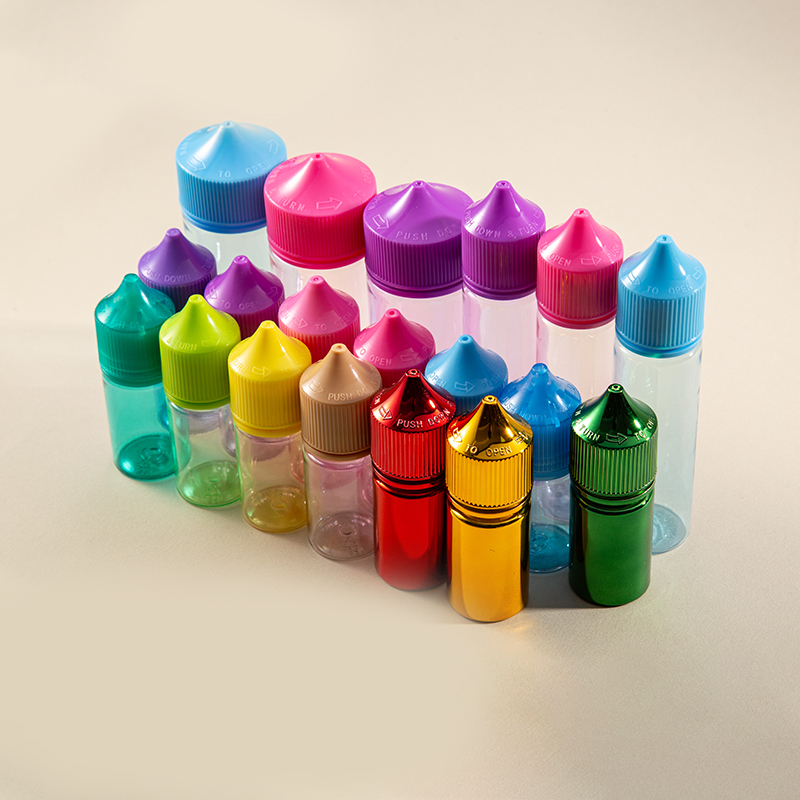
Custom Bottle Caps as the First Touchpoint in Consumer Experience
How Tactile, Auditory, and Visual Cues Shape Instant Brand Perception
Custom bottle caps serve as the initial sensory handshake between brands and consumers. The tactile experience—whether it's the smooth rotation of a threaded closure or the satisfying click of a magnetic seal—creates immediate subconscious judgments about quality. Auditory cues like the distinctive “snap” upon sealing signal freshness and security. Visually, unique finishes (matte vs. glossy), metallic accents, or custom shapes convey premium positioning before the label is even read. Luxury skincare brands leverage this by using weighted closures that provide deliberate torque resistance, transforming simple cap removal into a ritualistic experience that elevates perceived value.
Data Insight: 78% of Consumers Recall Cap Feel Before Label Design
Research confirms this sensory hierarchy: nearly 8 in 10 consumers remember the tactile experience of custom bottle caps before visual label elements, according to Pira International’s 2023 multisensory packaging study. This neurological prioritization occurs because haptic feedback triggers stronger emotional memory encoding than visual stimuli alone. Brands optimizing for this phenomenon see 23% higher recall in shelf simulation tests. The implication is clear—investing in distinctive cap texture, torque resistance, and opening mechanics isn’t just functional; it’s a primary memory anchor for brand recognition.
Brand Identity Amplification Through Structural Customization
Beyond Printing: Embossed Threads, Signature Torque, and Shape as Identity Language
Custom bottle caps offer more than a surface for logos. Structural elements turn a functional closure into a brand signature. Embossed threads on the cap or bottle neck create a tactile pattern that users feel each time they open a product—communicating quality and attention to detail without a single printed word. A unique torque—the force required to twist off the cap—can become a signature experience. A deliberately tight or smooth rotation builds consistency across interactions, reinforcing brand personality. Similarly, cap shape goes beyond round: hexagonal, triangular, or asymmetrical outlines catch the eye and differentiate on crowded shelves. These physical cues embed brand identity directly into haptic memory—so a consumer may recognize the cap’s feel or silhouette before ever seeing the logo.
Case Study: A Premium Skincare Brand’s Magnetic Cap — Ritual, Luxury, and Shelf Standout
A leading skincare brand replaced a standard threaded cap with a magnetically sealed closure. The lid clicks into place with a smooth, satisfying motion, turning the act of opening into a deliberate ritual. This structural choice conveys luxury and precision while eliminating visible threads for a clean, streamlined silhouette that stands out on retail shelves. Consumers frequently commented on the cap’s unique feel during unboxing—elevating the product from commodity to experience. By embedding the brand’s ethos of sophistication into the cap’s structure, the company achieved differentiation without additional printing or labeling costs. The magnetic cap became a talking point, driving word-of-mouth and reinforcing premium positioning.
Functional Excellence: Security, Ergonomics, and Compliance Built Into Custom Bottle Caps
Custom bottle caps deliver more than a simple seal. They integrate tamper-evident bands and induction liners that verify product safety and prevent contamination. Ergonomic features—like textured surfaces and precisely calibrated torque—allow consumers to open and reseal bottles with minimal effort, especially important for aging or mobility-limited users. These designs also meet stringent regulatory standards for food contact materials (FDA 21 CFR), child-resistant packaging (ASTM D3475), and EU REACH compliance. By consolidating security, ease of use, and regulatory adherence into one component, custom bottle caps protect both the product and the brand’s reputation—without compromising user experience.
Sustainability and Innovation in Custom Bottle Caps
Balancing Premium UX with Recyclability and Material Innovation
Consumers increasingly expect sustainable packaging without sacrificing the tactile or visual quality of a premium opening experience. For custom bottle caps, this means using advanced materials that maintain a smooth, secure feel while incorporating post-consumer recycled (PCR) content—up to 100% in some mono-material polypropylene formulations. Innovations such as mono-material closures simplify recycling streams, and lightweight designs reduce material use without compromising torque or seal integrity. Brands can also adopt reusable cap systems or certified compostable bioplastics that degrade under industrial conditions. The engineering challenge lies in preserving premium perception—substance, smoothness, acoustic feedback—when working with recycled or alternative resins. Leading manufacturers achieve this through precision injection-molding adjustments and micro-textured surface finishes that replicate the sensory qualities of virgin plastic. The result is a cap that delights at first touch and supports a circular economy—proving that luxury and sustainability are not mutually exclusive.
FAQ Section
Why are custom bottle caps important for branding?
Custom bottle caps act as the first sensory touchpoint for consumers, shaping perceptions of quality and premium value through tactile, auditory, and visual cues.
How does cap design influence consumer memory?
Research shows that tactile experiences, such as the texture or torque of a cap, trigger stronger emotional memory than visual elements, making them a key anchor for brand recognition.
Can sustainable bottle caps still feel premium?
Yes, advanced materials like post-consumer recycled plastics and innovative molding techniques allow brands to achieve a luxury feel while supporting sustainability.
What are some structural customization options for bottle caps?
Options include embossed threads, unique torque resistance, and specialized shapes like hexagonal or asymmetrical designs that enhance tactile and visual appeal.
How do custom caps ensure product safety?
They incorporate features like tamper-evident bands and induction liners to verify product integrity and comply with regulatory standards.

