
 EN
EN
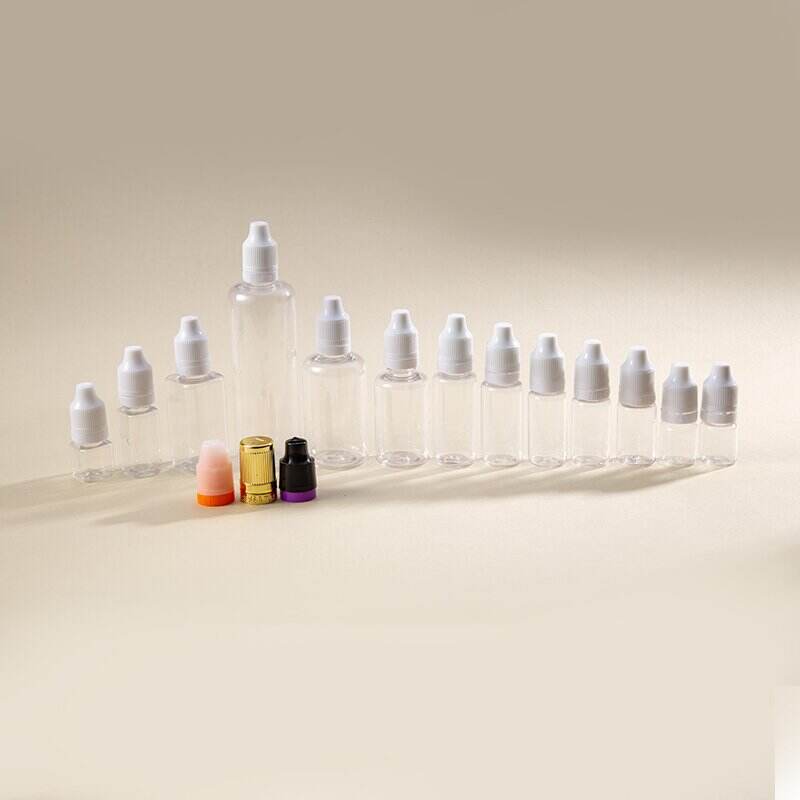
Understanding Cosmetic Packaging Cost Drivers
Material Selection and Its Direct Impact on Unit Cost
Material choice sets the baseline for cosmetic packaging cost and quality. Plastics like PET and PP offer cost efficiency, while glass or aluminum can double or triple per-unit expenses. A standard plastic bottle may cost $0.15 per unit; a frosted glass jar with a metal cap often exceeds $0.80. Specialty resins, colorants, or finishing treatments—such as soft-touch coating—add 10–30% to raw material costs. Early alignment between aesthetic goals and budget constraints is essential to avoid costly redesigns later.
Manufacturing Processes: Injection Molding, Blowing, and Assembly Efficiency
Production methods significantly influence both unit price and consistency. Injection molding delivers high-precision caps and complex geometries but carries steep tooling investments ($10k–$50k per mold). Blow molding—commonly used for bottles—requires lower tooling outlay but faces slower cycle times with intricate shapes. Automated assembly (capping, labeling, cartoning) can cut labor costs by up to 40% at scale. However, integrating processes without optimizing line speed introduces hidden inefficiencies and cost overruns.
Logistics, MOQs, and Vendor Negotiation Strategies for Cost Control
Minimum order quantities (MOQs) from packaging suppliers often force smaller brands into large upfront commitments. Custom molds typically require 10,000–50,000 units, whereas stock components may accommodate orders as low as 500 units. Tiered pricing, cross-SKU consolidation, and regional vendor sourcing can reduce per-unit logistics costs by 15–25%—while also minimizing fuel surcharges and customs delays. Proactive procurement planning transforms fixed cost structures into flexible, scalable variables.
Evaluating Cosmetic Packaging Quality Beyond Aesthetics
Functional Quality: Dispensing Accuracy, Barrier Performance, and Shelf-Life Integrity
Functional integrity—not just appearance—determines product efficacy and user trust. Precise dispensing ensures consistent application, especially critical for serums or medical-grade cosmetics. Barrier performance protects actives from oxygen, light, and moisture: inadequate protection contributes to active ingredient degradation in 23% of skincare products within 12 months. Shelf-life integrity depends on reliable seals and material stability; incompatible closures cause leaks in 15% of lotion packaging, accelerating spoilage. Validating these parameters through compatibility testing and accelerated aging studies is non-negotiable for risk mitigation.
Material Trade-offs: Glass, PCR Plastic, Aluminum, and Recycled Content Compliance
Each material presents distinct functional and sustainability trade-offs. Glass delivers premium perception and superior barrier properties—but increases breakage risk and raises shipping costs by up to 40%. Post-consumer recycled (PCR) plastics support environmental goals yet may compromise clarity or chemical resistance without advanced compounding. Aluminum offers excellent UV protection but limits design versatility. Recycled content compliance demands rigorous supplier vetting: inconsistent PCR batches introduce variability in barrier performance and aesthetics. Despite added processing complexity (12–18% higher), 68% of manufacturers now prioritize PCR integration to meet regulatory expectations and consumer demand.
Strategic Balancing of Cosmetic Packaging Cost and Quality
Balancing cost and quality requires a data-informed strategy that safeguards both margins and functional performance. A 2024 McKinsey study found brands allocating 15–30% of product budgets to packaging achieve optimal quality perception without eroding profitability. Key levers include:
- Material Optimization: Substituting virgin plastics with PCR alternatives—where barrier requirements allow—lowers unit costs by $0.02–$0.05 while preserving shelf-life integrity
- Process Efficiency: Modular tooling designs cut SKU changeover time by 40%, reducing annual mold modification fees by $15k–$50k
- Total Cost Analysis: Weighing transportation damage rates against packaging upgrades reveals durable designs often offset losses exceeding $2.50 per damaged unit
- Quality Thresholds: Defining non-negotiable standards—child-resistant mechanisms, FDA-compliant inks, leak-proof seals—while allowing flexibility in secondary finishes or textures
Leading manufacturers now use predictive analytics to model packaging performance across supply chain variables, identifying cost-quality equilibrium points before physical prototyping. According to 2023 DHL Logistics data, this approach prevents 72% of redesign cycles.
Sustainability as a Cost-Quality Lever in Cosmetic Packaging
Lifecycle Economics: Upfront Investment vs. Brand Equity, Waste Reduction, and Regulatory Readiness
Sustainability is not merely a cost add-on—it’s a strategic lever that enhances both quality perception and long-term value. While eco-conscious materials like PCR plastics or recyclable aluminum carry initial premiums of 15–20% versus virgin resins, their full lifecycle impact tells a different story. Lightweighting and optimized design reduce waste disposal fees and lower freight costs per unit. More importantly, sustainability builds brand equity: 62% of global consumers report higher loyalty to brands with verifiable environmental commitments (2024 Eco-Beauty Survey), enabling premium pricing and differentiation. Forward-looking brands also de-risk regulatory exposure—especially under tightening Extended Producer Responsibility (EPR) frameworks like those in the EU—avoiding costly late-stage redesigns or penalties. When evaluating cosmetic packaging cost quality, lifecycle analysis confirms sustainability as a core driver of resilience, reputation, and operational efficiency.
FAQ Section
What materials are best for cost-efficient cosmetic packaging?
Plastics like PET and PP are cost-efficient options, offering durability at a lower price point, with unit costs starting at $0.15.
How do manufacturing processes affect cosmetic packaging costs?
Injection molding provides precision but requires high tooling costs, while blow molding suits bottles but has slower cycle times for complex designs. Automation can optimize overall cost efficiency.
What is the importance of barrier performance in packaging?
Barrier performance preserves active ingredients and prevents degradation caused by oxygen, light, and moisture exposure, ensuring product efficacy and shelf-life integrity.
How can sustainability improve packaging cost and quality?
Sustainable materials like PCR plastics reduce lifecycle costs through lightweighting, waste reduction, and improved brand equity, though upfront costs may be higher.
What strategies balance cost and quality in cosmetic packaging?
Brands can use predictive analytics, modular tooling, and a focus on key quality thresholds to maximize packaging performance while maintaining profitability.
Table of Contents
- Understanding Cosmetic Packaging Cost Drivers
- Evaluating Cosmetic Packaging Quality Beyond Aesthetics
- Strategic Balancing of Cosmetic Packaging Cost and Quality
- Sustainability as a Cost-Quality Lever in Cosmetic Packaging
-
FAQ Section
- What materials are best for cost-efficient cosmetic packaging?
- How do manufacturing processes affect cosmetic packaging costs?
- What is the importance of barrier performance in packaging?
- How can sustainability improve packaging cost and quality?
- What strategies balance cost and quality in cosmetic packaging?

