
 EN
EN
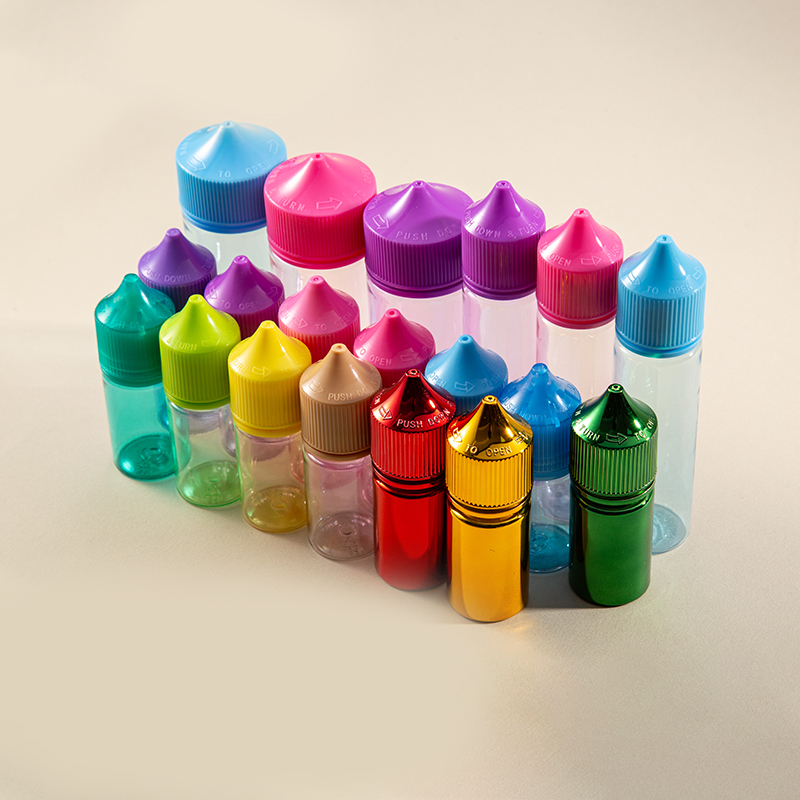
Packaging Consistency Builds Instant Brand Recognition
Consistent packaging design is one of the most powerful tools for building brand recognition. When consumers repeatedly see the same visual elements across different products, their brains form strong neural associations that speed up identification and recall—a cognitive advantage critical in today’s fast-paced retail environment.
How Logos, Colors, and Typography Create Neural Shortcuts for Consumers
The human brain processes visual information far faster than text. Repeated exposure to a brand’s logo, signature color palette, and consistent typography creates mental shortcuts that trigger immediate recognition. These visual anchors reduce cognitive load, allowing shoppers to identify a trusted product within seconds. Over time, the neural pathways strengthen, turning casual buyers into loyal customers who instinctively reach for familiar packages. A signature shade of blue or a distinctive font style, for instance, can evoke an entire brand experience without a single word. This is why packaging consistency is not merely a design choice—it is a strategic investment in building instinctive trust and recall. In crowded aisles or digital thumbnails, these consistent cues cut through noise and guide purchase decisions efficiently.
Coca-Cola and Apple: Long-Term Packaging Consistency as Trust Anchors
Few brands exemplify the power of consistency better than Coca-Cola and Apple. Coca-Cola’s iconic red label and flowing script have remained largely unchanged for over a century, creating an instantly recognizable visual signature. Similarly, Apple’s minimalist white boxes with clean typography and subtle branding are consistent across every product release. This unwavering uniformity anchors consumer trust: when customers see familiar packaging, they immediately associate it with reliability, quality, and a predictable experience. Such consistency transforms packaging into a silent brand ambassador that reinforces loyalty without needing a single advertisement. It sets clear expectations, making each purchase a reaffirmation of the brand’s promise—proof that long-term dedication to visual uniformity can turn packaging into a durable trust signal across generations and market shifts.
Packaging Consistency Drives Shelf Impact and Purchase Conversion
The 7-Second First Impression: How Visual Consistency Cuts Through Clutter
Shoppers make purchase decisions within just 7 seconds of encountering products on shelves (Retail TouchPoints, 2023). This narrow window makes visual consistency in packaging essential for cutting through market noise. Shelf impact—the ability to stand out visually against competitors—relies heavily on standardized design elements. When logo placement, color palette, and typography remain uniform across product lines, consumers develop instant visual recognition.
Consider how consistent packaging creates immediate brand identification:
- Oversized logos on clean backgrounds become navigation anchors in crowded aisles
- Signature color schemes trigger faster neural processing than novel designs
- Repeated structural forms allow tactile recognition without visual confirmation
This shelf impact translates directly to conversion rates. Products with high visual consistency achieve 23% higher trial rates, according to industry analysis (Packaging Industry Report, 2024). The reduced cognitive load from familiar elements frees mental capacity for purchase decisions—not brand identification.
Packaging Consistency Across Digital and Physical Channels Strengthens Brand Cohesion
Optimizing Packaging Consistency for E-commerce Thumbnails and In-Store Presence
Maintaining packaging consistency across digital and physical channels reinforces brand identity and consumer trust. For e-commerce, packaging must translate effectively to thumbnail images: clear product visuals, readable text at small scales, and immediate benefit communication are essential—online shoppers rely solely on these visuals. Conversely, in-store packaging demands physical shelf impact, using consistent logos, colors, and structural distinctiveness to cut through retail clutter. This dual optimization ensures a seamless brand experience, whether a customer encounters the product on a screen or in person. Consistent packaging design across both environments reduces cognitive load for consumers, creating instant recognition and reinforcing brand reliability.
Balancing Packaging Consistency with Innovation and Market Evolution
Maintaining packaging consistency doesn’t mean resisting change—it requires strategic evolution. Brands face constant pressure to adapt packaging to shifting consumer preferences, sustainability demands, and regulatory landscapes. Companies that successfully refresh packaging elements while retaining core visual identity achieve 42% higher market retention (Packaging Industry Report, 2023). Key challenges include navigating regulatory shifts like plastic reduction mandates and integrating eco-conscious materials without compromising shelf recognition. Innovation in recyclable substrates and smart packaging technologies offers solutions—but requires careful implementation to preserve brand equity. The most successful organizations treat packaging as a living system, conducting regular audits to identify elements needing modernization versus those requiring steadfast preservation. This approach allows brands to remain relevant with eco-conscious consumers and comply with regulations while sustaining the instant recognition that drives purchase decisions. Ultimately, packaging consistency evolves through incremental, research-backed refinements—not disruptive overhauls.
FAQs
Why is packaging consistency important?
Packaging consistency establishes immediate brand recognition and builds consumer trust, enabling faster decision-making and loyalty in a crowded marketplace.
What elements contribute to packaging consistency?
Key elements include logos, color schemes, typography, and structural design, all of which create a cohesive and recognizable visual identity.
How does packaging consistency impact e-commerce and retail shopping?
For e-commerce, clear and readable visuals at small scales are vital, while consistent design elements enhance shelf impact and stand out in physical stores.
Does packaging consistency mean brands cannot innovate?
No. Packaging consistency allows for strategic evolution where updates can be made without losing core brand identity, aligning with market trends and regulations.

