
 EN
EN
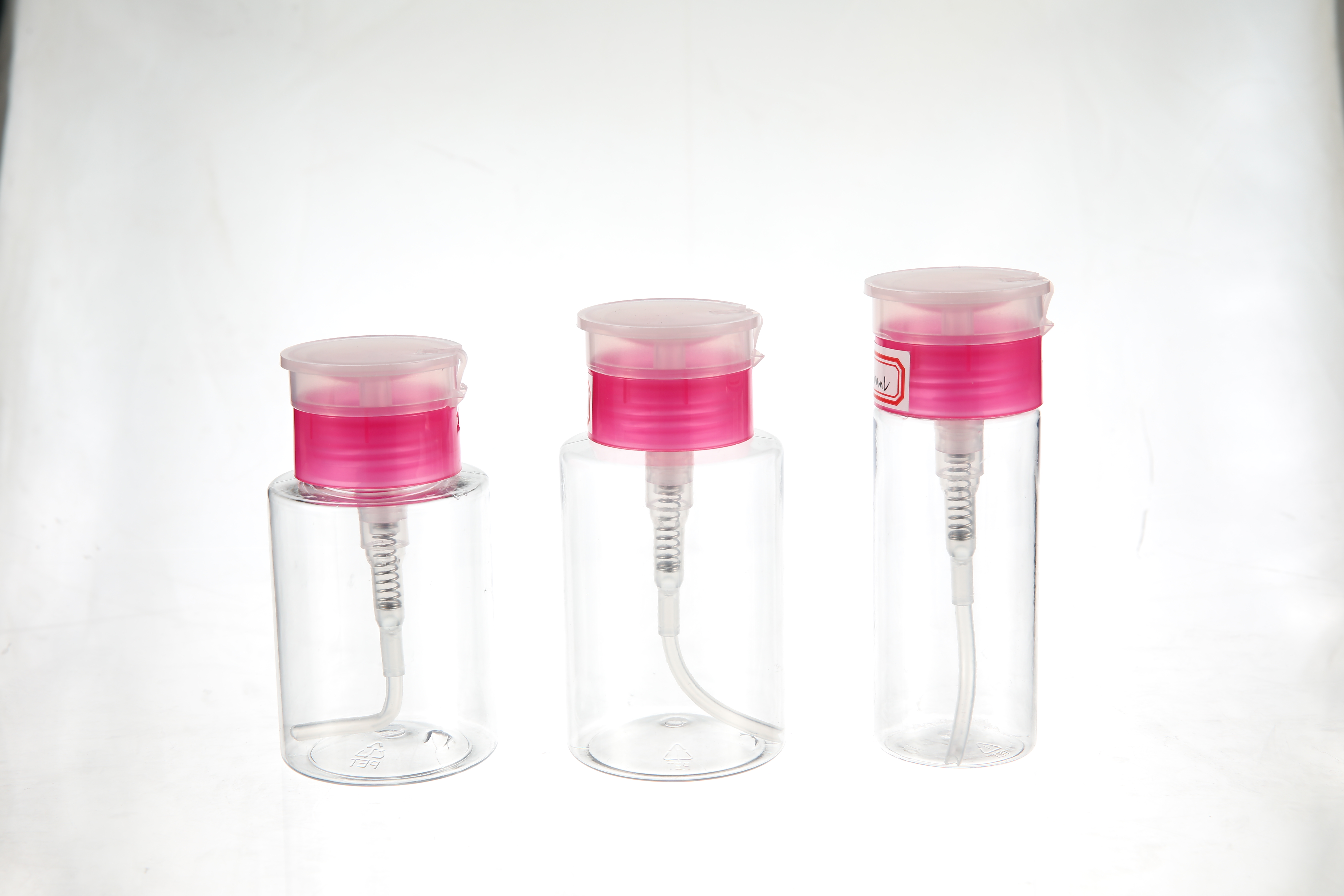
When formulating and packaging moisturizers, manufacturers face a critical decision about which container material best protects their product while meeting market expectations. HDPE lotion bottles have emerged as the industry standard for this purpose, and understanding why reveals important insights into product preservation, consumer safety, and business efficiency. The choice of packaging is never trivial in the cosmetics industry, as it directly impacts product stability, shelf life, brand perception, and regulatory compliance. HDPE lotion bottles offer a combination of practical advantages that make them distinctly superior to alternative materials for most moisturizer applications.
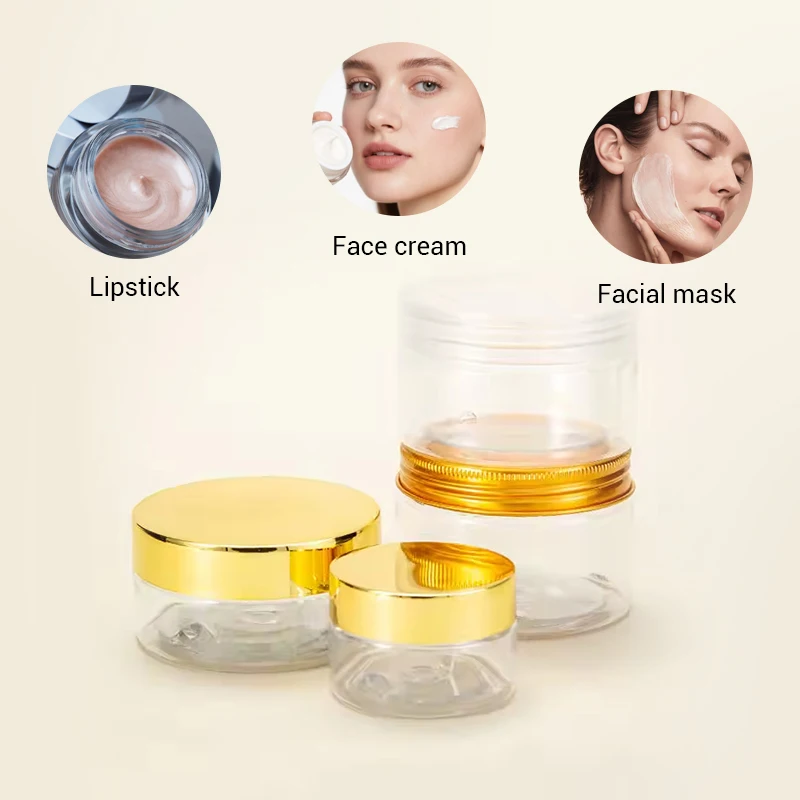
HDPE lotion bottles represent more than just a packaging choice; they embody decades of material science refinement and market validation in the cosmetics sector. These containers are manufactured from high-density polyethylene, a thermoplastic polymer known for its strength, chemical resistance, and flexibility. The widespread adoption of HDPE lotion bottles across premium and mass-market moisturizer brands demonstrates their proven track record in protecting formulations from degradation, contamination, and oxidation while maintaining consumer confidence through reliable performance.
Material Properties That Protect Moisturizer Formulations
Chemical Compatibility and Barrier Performance
HDPE lotion bottles excel at safeguarding moisturizer ingredients from environmental threats that can compromise product efficacy. The molecular structure of high-density polyethylene creates a dense barrier that resists moisture vapor transmission, which is crucial because many moisturizers contain water-based or emulsified components susceptible to evaporation or separation. HDPE lotion bottles also demonstrate superior chemical compatibility with common moisturizer ingredients including glycerin, hyaluronic acid, dimethicone, and botanical extracts, preventing unwanted reactions or leaching that could alter product performance or safety.
The barrier properties of HDPE lotion bottles protect against oxygen ingress, a primary cause of oxidative degradation in formulations containing antioxidants or sensitive plant-derived ingredients. This oxygen barrier capability extends product shelf life significantly compared to lower-grade plastics, reducing the need for excessive preservative systems and supporting cleaner label formulations that appeal to modern consumers. When manufacturers specify HDPE lotion bottles for their lines, they gain confidence that their moisturizers will maintain stability throughout distribution, retail display, and end-user storage periods.
Temperature and Light Stability
HDPE lotion bottles maintain structural integrity across the temperature ranges encountered in typical supply chains, warehouses, and consumer bathrooms. Unlike some thermoplastic materials that become brittle in cold conditions or degrade under heat, HDPE lotion bottles remain flexible and durable whether exposed to refrigerated storage, ambient conditions, or warm climates. This thermal stability ensures that seals remain effective and the container does not become compromised, protecting the moisturizer formulation from environmental exposure.
While HDPE itself is translucent or opaque rather than transparent, HDPE lotion bottles can be produced in various opacity levels and colors to block harmful ultraviolet radiation that degrades light-sensitive ingredients. Many premium moisturizers are packaged in pigmented HDPE lotion bottles specifically to shield photosensitive actives like retinol, vitamin C, or certain peptides from UV damage, ensuring that consumers receive products with full potency when they open the package.
Safety, Compliance, and Consumer Confidence
Regulatory Approval and Food Contact Standards
HDPE lotion bottles manufactured for cosmetic use meet stringent regulatory requirements across major markets including North America, Europe, and Asia-Pacific regions. High-density polyethylene is approved by the FDA for cosmetic packaging and meets or exceeds standards for migration testing, which verifies that no harmful substances leach from HDPE lotion bottles into the moisturizer formulation. This regulatory pedigree provides manufacturers and consumers alike with assurance that HDPE lotion bottles are formulated from materials deemed safe for skin contact applications.
The long history of HDPE lotion bottles in personal care packaging means that comprehensive safety data exists regarding their performance across diverse moisturizer types and storage scenarios. Regulatory bodies and dermatological organizations have extensively studied HDPE lotion bottles, and no significant safety concerns have emerged, which contrasts with some newer plastic alternatives still undergoing long-term evaluation. This established safety profile makes HDPE lotion bottles the preferred choice for manufacturers seeking to avoid regulatory delays and market access complications.
Hygienic Dispensing and Product Protection
HDPE lotion bottles are designed to work seamlessly with pump dispensers and flip-cap closures, both of which provide hygienic application while minimizing air exposure each time the product is used. The smooth interior surface of HDPE lotion bottles resists bacterial biofilm formation, and the material's non-porous nature prevents product absorption or contamination from external sources. Consumers appreciate the ease of use and perception of cleanliness that HDPE lotion bottles convey, supporting brand reputation and repeat purchase behavior.
Economic Advantages and Sustainability Considerations
Cost Efficiency Without Quality Compromise
HDPE lotion bottles offer exceptional value across the product lifecycle, combining reasonable material costs with long-term preservation benefits that reduce waste and product recalls. The manufacturing process for HDPE lotion bottles is mature and efficient, allowing producers to achieve economies of scale that keep per-unit costs competitive even for mid-sized brands. Unlike exotic or specialized materials that command premium prices, HDPE lotion bottles deliver professional-grade performance at price points that support healthy profit margins while remaining accessible to consumers across demographic segments.
The durability of HDPE lotion bottles means fewer damaged containers during shipping and handling, translating to reduced losses and returns that would otherwise impact profitability. Retailers appreciate HDPE lotion bottles because they are virtually indestructible on store shelves, maintaining shelf appeal throughout inventory turnover cycles. This practical resilience, combined with stable pricing and reliable supply chains, makes HDPE lotion bottles the economically rational choice for brands of all sizes.
Environmental Profile and Recyclability
HDPE lotion bottles rank among the most recyclable plastic materials, with established collection and reprocessing infrastructure in most developed markets. High-density polyethylene can be recycled multiple times without significant degradation of material properties, supporting circular economy principles that modern consumers increasingly value. Many manufacturers now highlight the recyclability of HDPE lotion bottles on packaging, reinforcing environmental responsibility while differentiating their brands in competitive moisturizer markets.
The lightweight nature of HDPE lotion bottles also reduces transportation emissions compared to heavier glass or ceramic alternatives, contributing to lower carbon footprints across distribution networks. When life-cycle assessments are conducted comparing HDPE lotion bottles to other packaging options, HDPE frequently demonstrates environmental advantages when recycling rates are considered, making it an ecologically sound choice that does not require brands to sacrifice performance or aesthetics.
FAQ
Are HDPE lotion bottles suitable for all types of moisturizers?
HDPE lotion bottles work exceptionally well for most standard moisturizers, including cream emulsions, lightweight serums, and oil-based formulations. However, certain specialty formulations containing high concentrations of essential oils or aggressive solvents may require alternative containers. Compatibility testing is recommended when developing formulations with unusual ingredients, but HDPE lotion bottles remain the first choice for the vast majority of commercial moisturizer products.
How do HDPE lotion bottles compare to glass packaging for moisturizers?
HDPE lotion bottles offer superior lightweight characteristics, shatter resistance, and cost efficiency compared to glass, while glass provides superior barrier properties and perceived luxury. For most mass-market and mid-premium moisturizers, HDPE lotion bottles are the logical choice due to their practical advantages and lower total cost of ownership. Glass may be preferred for ultra-premium positioning, but HDPE lotion bottles represent the optimal balance of performance, safety, and commercial viability for mainstream products.
What customization options are available for HDPE lotion bottles?
Manufacturers can customize HDPE lotion bottles in terms of volume capacity, color pigmentation, opacity levels, closure type, and labeling compatibility. Custom molding allows for branded shapes and embossing, enabling manufacturers to create distinctive packaging that stands out on retail shelves while maintaining the performance benefits of HDPE material. Size options ranging from travel sizes to large format containers provide flexibility to serve diverse product lines and market segments.

