
 EN
EN
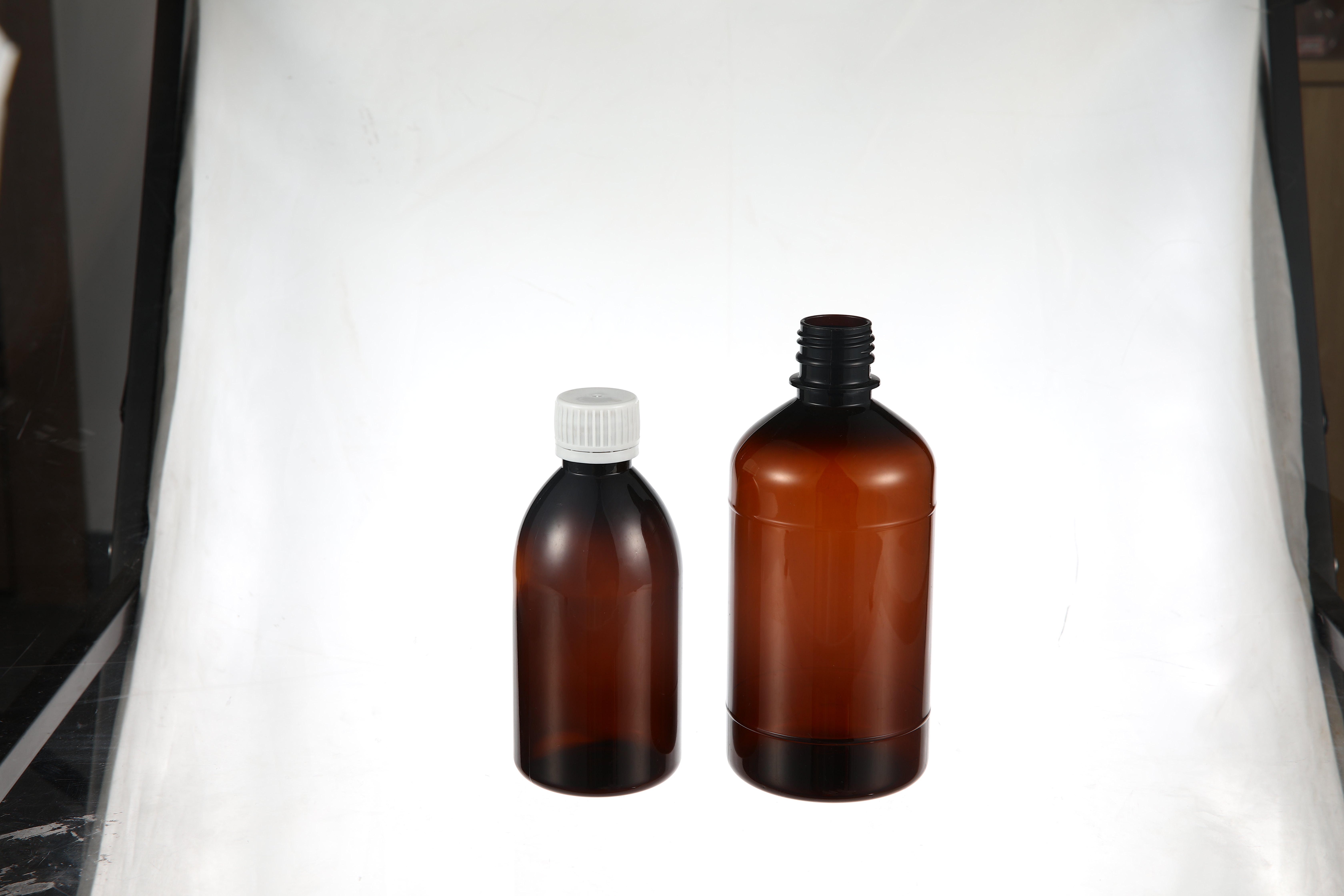
When you enter a pharmacy or a health-care supply store, the common feature that you will notice is the large number of medicines, supplements, and laboratory liquids that are mostly in brown plastic bottles. These amber containers have been widely recognized as the industry standard, first of all, for those products that spoil when exposed to light. Nevertheless, out of their being so prevalent, the majority of people will not even think of questioning why this particular color and material are so necessary. Here, we look at the science, the practicality, the advantages in the production of the top industry medicine brown plastic bottles, and the reasons why trusted suppliers like Yuhuan Kemai keep using them to store the most sensitive formulations.
The Hidden Threat of Light Exposure
Light is one of the most powerful sources of energy that exist. Though it is a must for life, it can be very damaging to drugs, vitamins, and chemicals that are used in the lab. A lot of compounds are photosensitive, i.e., their chemical structure breaks down when these compounds are exposed to ultraviolet (UV) or even visible light. This breakdown can cause:
- Decrease in potency
- Change of chemical composition
- Change of color, smell, or even texture
- The generation of harmful by-products
- A shortening of shelf life
For instance, antibiotics, essential oils, vitamin B2 (riboflavin), and herbal tinctures are the compounds that are very sensitive to UV light. Even very minor and gradual light infiltration can cause chemical reactions that will make the product quality deteriorated without the consumer being able to realize it. For this reason, pharmaceutical and nutraceutical industries consider light to be one of the contamination sources and thus it should be controlled by the right packaging material.
Why Brown—Not Clear or Other Colors?
The typical amber color of brown plastic medicine bottles is not just for looks. It is a functional color designed to provide maximum protection against light.
Superior UV Blocking Ability
Brown plastic can block a wide range of UV rays and therefore only very little harmful radiation can get to the content of the bottle. Other colors like blue or green may also provide some level of protection but in the case of amber, it is the best compromise between transparency and protection. That is why it has been the standard both in pharmaceutical and laboratory use for a long time.
Enhanced Stability Under Sunlight
Considering that the plastic which is used for pharmaceutical packaging is exposed to the light, it ought to be a plastic that doesn’t get degraded. The amber color helps the polymer in the bottle to remain strong and thus the plastic can still be durable even after long-term exposure.
Meets Regulatory Standards
Industry regulations concerning photosensitive pharmaceutical packaging from various countries stipulate or recommend the use of brown or amber containers. This color choice guarantees adherence to the regulations and therefore, manufacturers are exempted from unnecessary testing.
A company like Yuhuan Kemai that focuses on making medical and laboratory bottles is very close to these regulations and that is why their brown plastic bottles are always up to international standards.
Material Matters: The Strength of PET and HDPE
Color by itself is not sufficient. The type of plastic used in the brown medicine bottles is also very important for the performance of the product.Basically, the market is largely controlled by two materials:
1. PET (Polyethylene Terephthalate)
One of the most common materials, PET is a plastic, that can be praised for its excellent transparency, can be impact-resistant, and is chemically neutral. A brown PET still looks clean and very good it is able to protect from UV radiation when it is made. In fact, PTE brown bottles are mostly used for:
- Health/dietary supplements
- Medications in liquid form
- Oils for aromatherapy
2. HDPE (High-Density Polyethylene)
HDPE is a strong material that can be used with various chemically formulated products. When transformed into amber, HDPE becomes a solution that is very powerful for heavy use or for industrial medical needs, e.g.:
- Sweetened or flavored syrups
- Laboratory reagents
- Prescription medications
- Animal health-related products
Yuhuan Kemai is engaged in the production of both types of brown medicine bottles i.e. PET and HDPE and together with clients they decide on which material will be best suitable for a product in terms of viscosity, chemical stability, and shelf life.
A Perfect Blend of Function and Convenience
Besides their excellent light-blocking ability, brown plastic medicine bottles are the most convenient, durable, and cost-effective ones that have been figured out a perfect balance between these qualities.
Lightweight and Shatter-Resistant
Compared to glass, plastic is far lighter and significantly safer in environments where breakage can pose contamination or injury risks. This makes plastic an excellent choice for hospitals, clinics, and home-use medicines.
High Chemical Compatibility
Contemporary pharmaceutical-grade plastics are designed in such a way as to be non-reactive with most formulations. Thus the bottle neither releases chemicals nor takes in active ingredients.
Cost-Effective for Large-Scale Production
Whether it is a 10,000 or a million unit production, brown plastic bottles are among the most affordable packaging solutions. Companies like Yuhuan Kemai are able to keep their global clients' costs low while maintaining the quality and consistency of their work through optimizing their molding and coloring operations.
Wide Range of Sizes and Closures
You can easily get brown bottles of any size, from as small as 10 ml to as big as 1000 ml. As for the closures, these may be:
- Child-resistant caps
- Dropper caps
- Screw caps
- Tamper-evident lids
The option to choose from all these different sizes and caps makes it possible for a supplier such as Yuhuan Kemai to perfectly meet the needs of pharmaceutical companies, supplement brands, laboratories, and medical distributors.
How Yuhuan Kemai Ensures Quality in Brown Plastic Bottles
Great performance in blocking light, along with structural strength, and cleanliness of production are the factors that a dependable bottle provider should always have. Exactly these things Yuhuan Kemai are recognized for in the industry. Their quality assurance program features:
Precision Color Control
The efficiency of UV protection largely depends on the slightness of the difference in the amber shade. To keep every batch of productions having the same density and hence the same level of protection, Kemai employs very tightly controlled masterbatch formulations.
Medical-Grade Clean Production
The conditions in which the bottles are produced meet or surpass the hygiene requirements for the packaging of pharmaceuticals. This helps to lessen the presence of dust, contaminants, and defects in the packaging.
Rigorous Durability Testing
The drop, compression, and light-exposure tests are some of the performance tests that Yuhuan Kemai carry out on their brown bottles to check if they are able to keep their form and function during the period of use.
Compatibility Testing
To avoid negative chemical interactions the firm carries out tests on the bottles combining them with the most common pharmaceutical solutions that include
- Alcohol containing Liquid
- Oils
- Syrups
- Powders
- Acids
Customized Solutions
Brand may ask for a special shape, size, or/and a functional closure system. Kemai offers custom mold solutions so that the clients can get the exact bottles that fit with their product and comply with the regulations.
Brown Plastic Bottles: A Sustainable Packaging Option
Environmental aspects are becoming the main factors in deciding on packaging. Luckily, both PET and HDPE are great in terms of recyclability and these two are the most used plastics for brown medicine bottles.
Recycling Advantages
- PET is considered the most recycled plastic all over the world.
- HDPE is very durable and thus it can be recycled/made limited into new containers or industrial materials.
- The brown color does not interfere with recyclability.
There are a lot of companies that are working on the increase of the production of post-consumer recycled resin (PCR) that is the source of their packaging.Producers such as Yuhuan Kemai give the opportunity to their customers to utilize PCR material and at the same time maintain the bottle mechanically strong and resistant to UV rays.
Applications Across Multiple Industries
Bearing in mind their inherent features, brown plastic bottles are also very suitable for non-pharmaceutical fields. Their versatility has turned them into indispensable products, which different industrial sectors use:
- Health supplements: capsules, softgels, herbal extracts
- Scientific solutions: reagents, buffer liquids, chemicals
- Aromatherapy and wellness: essential oils, carrier oils
- Animal health: syrups, tablets, liquid supplements
- Beauty products: serums, oils, exfoliating solutions
The wide range of applications is a demonstration of how brown bottles are an integral part of the light-sensitive formulations that come from different industries.
The Future of Light-Protective Packaging
With higher consumer expectations and more complex product formulations, packaging technology is changing as well. The innovations that are developed include:
- Better UV absorbing additives
- Biodegradable or plant-based plastics
- Multi-layer barrier technologies
- Smart packaging with light-sensing labels
However, despite all the advances in packaging science, amber bottles are still basically solid and will probably remain the industry standard for quite a while.
Yuhuan Kemai and other similar companies are gradually installing new equipment into their production lines as a way of implementing innovation while at the same time they keep brown bottles reliable in terms of protective performance.
Conclusion: A Simple Color with Powerful Protection
A brown plastic medicine bottle is probably one of those everyday ordinary things and its role in protecting the integrity of light-sensitive products is the one that is most vital. Such an outstanding UV-blocking feature, conformity to the standards, chemical resistance, and being cost-effective make a bottle the first and the only choice for a broad variety of medical and scientific applications.
Table of Contents
- The Hidden Threat of Light Exposure
- Why Brown—Not Clear or Other Colors?
- Material Matters: The Strength of PET and HDPE
- A Perfect Blend of Function and Convenience
- How Yuhuan Kemai Ensures Quality in Brown Plastic Bottles
- Brown Plastic Bottles: A Sustainable Packaging Option
- Applications Across Multiple Industries
- The Future of Light-Protective Packaging
- Conclusion: A Simple Color with Powerful Protection

