
 EN
EN
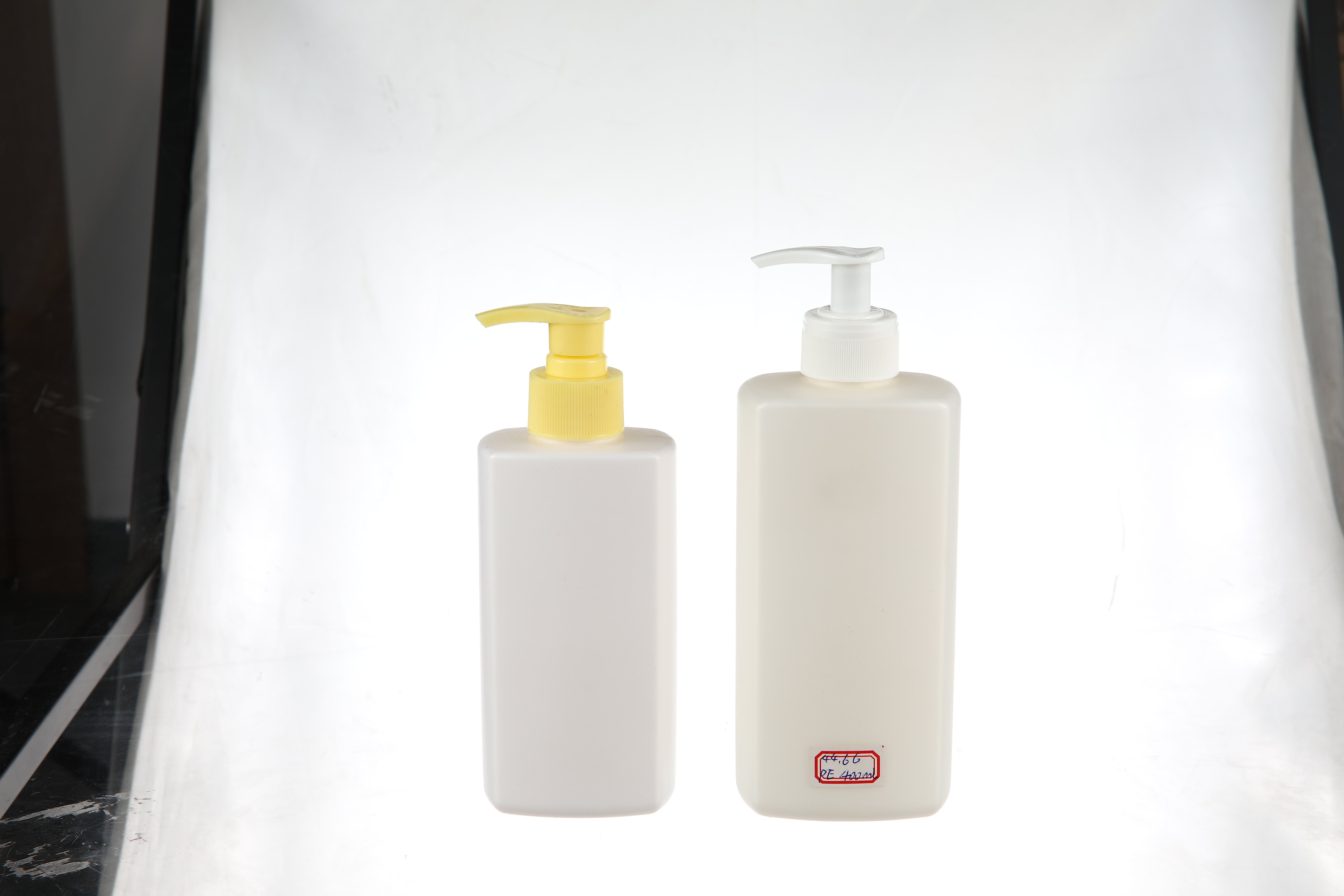
The choice of packaging for product samples is far more strategic than many businesses realize. A 50ml HDPE bottle represents an optimal middle ground for sample distribution across multiple industries, from cosmetics and personal care to pharmaceuticals and industrial testing. Understanding when and why a 50ml HDPE bottle serves your sampling needs can directly impact customer engagement, product perception, and shipping efficiency. This article explores the precise scenarios where a 50ml HDPE bottle becomes the ideal packaging solution.
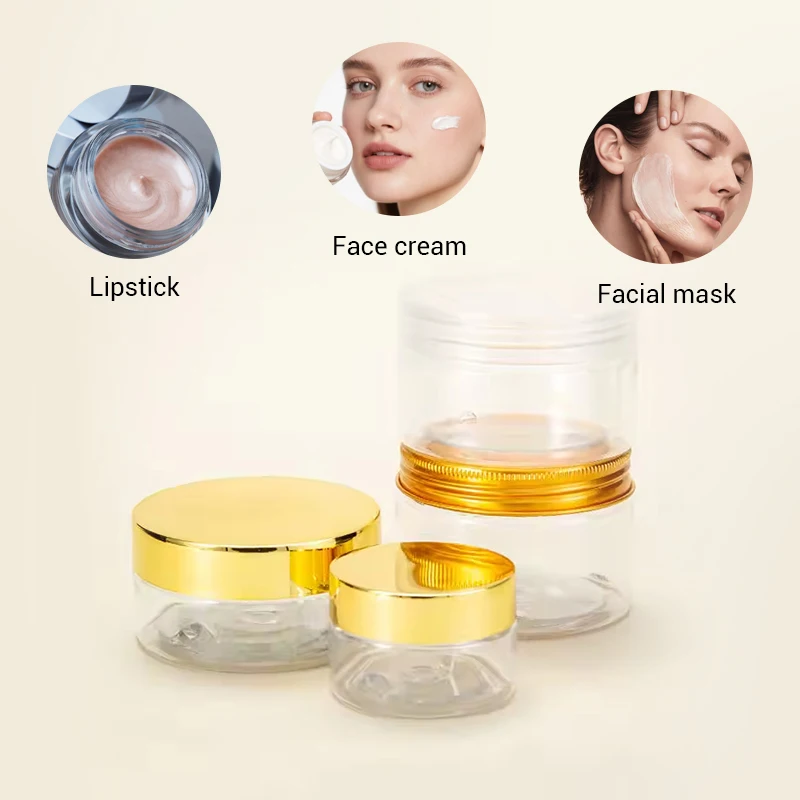
Selecting the right sample packaging container requires balancing multiple factors: product volume, consumer perception, shipping costs, shelf space, and regulatory compliance. A 50ml HDPE bottle addresses these competing demands effectively. High-density polyethylene (HDPE) material provides robust chemical resistance, adequate durability for transportation, and cost-effectiveness that smaller containers cannot match. The 50ml volume allows sufficient product for meaningful evaluation while maintaining affordability in bulk distribution. Recognizing when a 50ml HDPE bottle aligns with your business objectives ensures that your sampling strategy delivers measurable return on investment.
Understanding Sample Size Requirements and Buyer Psychology
The Psychology of Sample Volume
Sample size directly influences how potential customers perceive product value and quality. A 50ml HDPE bottle provides enough volume for multiple product applications, which increases the likelihood that trial users will conduct fair evaluations. Unlike smaller 30ml containers, a 50ml HDPE bottle gives recipients the confidence that you trust your product's performance. This psychological advantage translates into higher trial-to-purchase conversion rates. Additionally, recipients who receive a more generous sample in a 50ml HDPE bottle feel valued, strengthening brand loyalty from the initial contact point.
Industry Standards for Sample Sizing
Different industries have established norms for sample volumes, and a 50ml HDPE bottle fits seamlessly into most professional standards. Cosmetic and skincare brands typically distribute samples between 30ml and 75ml, making a 50ml HDPE bottle an industry-recognized choice. Pharmaceutical and nutraceutical companies often use this size for liquid supplement or topical medication trials. Industrial chemical suppliers commonly select a 50ml HDPE bottle for allowing customers to test formulations in production environments without excessive waste. Meeting these established expectations means your samples will be taken seriously rather than dismissed as insufficient or wasteful.
Material Properties and Compatibility Considerations
Why HDPE Material Supports Sample Distribution
HDPE (high-density polyethylene) offers exceptional compatibility with a broad range of product categories, making a 50ml HDPE bottle suitable for diverse sampling applications. HDPE resists many aggressive chemicals, volatile oils, and alcohol-based formulations that might compromise other plastic materials. A 50ml HDPE bottle maintains structural integrity during storage and shipping, preventing leakage that could damage reputation or create liability concerns. The material also provides excellent barrier properties against moisture and oxygen, ensuring that samples maintain potency and sensory qualities throughout the evaluation period. For environmentally conscious brands, HDPE's recyclability adds another layer of appeal when customers receive your 50ml HDPE bottle samples.
Compatibility Across Product Categories
A 50ml HDPE bottle performs reliably with skincare serums, creams, emulsions, shampoos, conditioners, and body care products. The 50ml HDPE bottle also handles industrial samples including cleaning concentrates, detergents, coatings, and specialty lubricants. Pharmaceutical companies use a 50ml HDPE bottle for liquid medications, suspension formulations, and sterile water-based products. Food and beverage suppliers occasionally use a 50ml HDPE bottle for flavor concentrates or liquid additives. Because HDPE resists most common preservation systems and active ingredients, specifying a 50ml HDPE bottle reduces the risk of unexpected interactions or degradation during the trial period.
Strategic Business Advantages and Application Timing
When Sample Size Becomes a Competitive Differentiator
Trade shows, professional conferences, and B2B marketing events present the ideal timing to deploy a 50ml HDPE bottle samples. The volume is substantial enough to impress decision-makers while remaining practical for attendees to carry multiple samples. When introducing new product lines or entering emerging markets, a 50ml HDPE bottle demonstrates commitment to the opportunity and builds credibility faster than minimal samples. Sales teams benefit from the perception advantage when offering a 50ml HDPE bottle, as it signals product confidence and respect for the prospect's evaluation time. For seasonal product launches or limited-edition formulations, a 50ml HDPE bottle creates urgency because recipients recognize they've received a meaningful trial opportunity rather than a token gesture.
Shipping Efficiency and Cost Management
A 50ml HDPE bottle fits efficiently into standard mailers and shipping boxes without excessive void fill or dimensional weight penalties that larger containers incur. The combined weight of a filled 50ml HDPE bottle remains low enough to qualify for economical shipping rates while the volume justifies the shipping expense through higher conversion potential. When budgeting sample distribution campaigns, a 50ml HDPE bottle allows you to control per-unit costs while maximizing sample recipient quality. Bulk ordering of standardized 50ml HDPE bottle packaging reduces unit prices through economies of scale, improving your cost structure across large-scale sampling initiatives. For companies managing inventory from multiple warehouses or regional distribution points, the 50ml HDPE bottle's ubiquity in supply chains ensures consistent availability and predictable lead times.
Regulatory Compliance and Labeling Considerations
Meeting Packaging Regulations
A 50ml HDPE bottle must meet FDA, EU, and regional regulatory requirements for food contact surfaces when applicable to your product category. HDPE itself presents minimal regulatory complications compared to alternative materials, as it has long manufacturing history and established safety profiles. The 50ml volume sits comfortably within most labeling requirement thresholds, avoiding the additional compliance burdens that certain threshold volumes trigger. A 50ml HDPE bottle for cosmetics complies with cosmetic packaging directives in major markets without requiring specialized certification. When selecting suppliers for your 50ml HDPE bottle samples, verify that manufacturers maintain appropriate certifications and quality assurance documentation to protect your brand from regulatory exposure.
Effective Labeling and Brand Communication
The surface area of a 50ml HDPE bottle provides adequate space for essential product information, usage instructions, ingredient disclosure, and brand identity without appearing cluttered. A 50ml HDPE bottle can accommodate pressure-sensitive labels, direct screen printing, or embossed branding depending on your aesthetic preferences and budget. Sample recipients can quickly identify your product and understand its intended use from a properly labeled 50ml HDPE bottle, reducing confusion that might undermine trial success. For regulated categories like pharmaceuticals or nutraceuticals, a 50ml HDPE bottle provides sufficient label real estate for required warnings, dosage information, and regulatory disclosures. Clear labeling transforms a 50ml HDPE bottle from a functional container into a brand ambassador that reinforces professional positioning during the critical evaluation phase.
FAQ
What types of products work best in a 50ml HDPE bottle for sampling?
A 50ml HDPE bottle performs exceptionally well for liquid and semi-liquid products including skincare serums, body lotions, shampoos, shower gels, conditioners, facial oils, toners, and essences. The 50ml HDPE bottle also suits industrial applications such as cleaning concentrates, specialty lubricants, coating samples, and chemical formulations. Pharmaceutical and supplement companies use a 50ml HDPE bottle for liquid medications, herbal extracts, and suspension-based products. Avoid using a 50ml HDPE bottle for highly volatile solvents or aggressive degreasing agents unless the HDPE material has been specifically validated against your formulation chemistry. Food-grade formulations including liquid flavorings, food colorings, and beverage additives also work reliably within a 50ml HDPE bottle packaging system.
How does the 50ml HDPE bottle compare to other sample bottle sizes?
Compared to smaller 30ml containers, a 50ml HDPE bottle provides 67% more volume, which justifies shipping costs and creates stronger purchase intent through perceived value. The 50ml HDPE bottle size remains more cost-effective than 100ml or 120ml bottles, which significantly increase material costs and shipping expenses. A 50ml HDPE bottle bridges the gap between token samples and full-size products, positioning your brand as serious about customer evaluation. The 50ml HDPE bottle volume is recognized across industries as a professional standard, so recipients immediately understand that they've received a meaningful trial quantity. When comparing total sampling campaign costs across different container sizes, a 50ml HDPE bottle typically delivers the highest return on investment through the optimal balance of perceived value and unit economics.
When should I consider alternatives to the 50ml HDPE bottle?
Consider smaller containers if your product demands extremely limited samples due to cost constraints or if you're conducting high-volume screening programs requiring minimal per-unit investment. Choose larger bottles if your product benefits from extended trial periods or if industry standards in your category typically exceed 50ml samples. A 50ml HDPE bottle may not suit powders, granules, or solid products that require different packaging materials and container geometries. If your formulation contains aggressive solvents, specialized gases, or materials incompatible with polyethylene, evaluate alternative materials before committing to a 50ml HDPE bottle strategy. For sample programs targeting ultra-premium positioning where perceived exclusivity matters more than generous volume, you might select smaller specialty containers instead of a standard 50ml HDPE bottle, though this approach typically reduces conversion effectiveness.

