
 EN
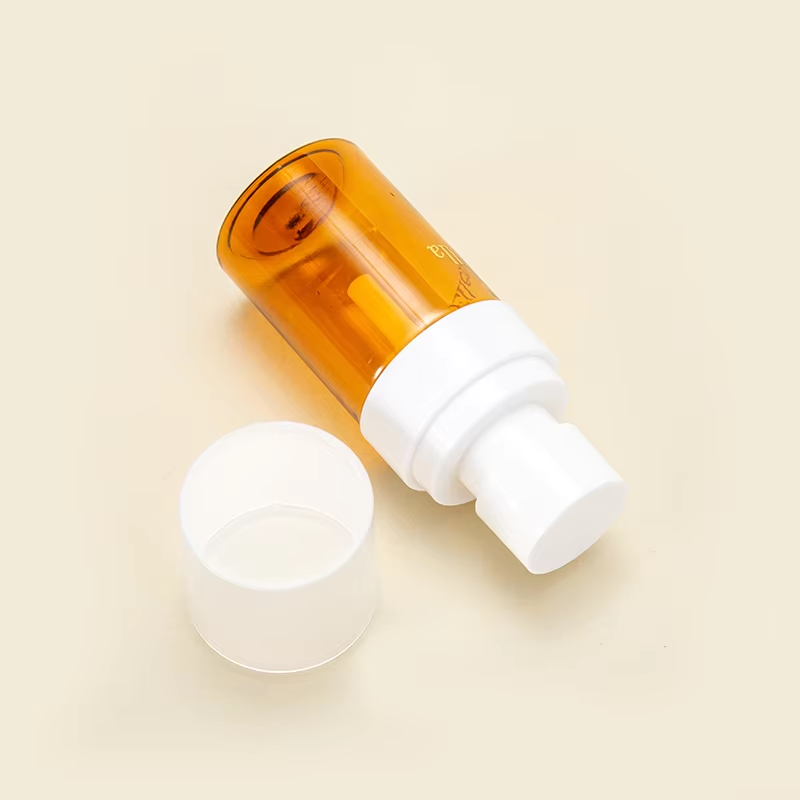
A 60ml pet bottle is a practical choice when a product needs more capacity than a sample but less bulk than a standard retail pack. It can suit compact personal-care products, controlled-use liquids, and portable formats, provided the fill volume matches how customers actually use the product. The right size depends on dosage, product life, handling, and the space available in your packaging workflow.

Choose a 60ml pet bottle when a compact format supports the product’s purpose rather than simply reducing package size. This guide explains the timing and conditions that make this capacity a good fit, including usage frequency, shipping and storage, dispensing requirements, and customer expectations. Evaluating these factors before specifying a package helps teams avoid a format that feels either inadequate or unnecessarily large.
When the product’s usage pattern fits 60ml
Suitable for short-use and controlled-dose products
A 60ml pet bottle often makes sense when the buyer uses a small amount at a time or expects to finish the contents within a limited period. It can hold a meaningful supply without taking up the space of a full-size package. For lotions, serums, and similar formulations, compare the usual dose with the expected number of applications before settling on this capacity.
Usage rate matters more than the number printed on the label. A concentrated liquid used sparingly may last through many applications in a 60ml pet bottle, while a fluid used generously may run out quickly. Estimate a realistic daily or weekly quantity, then consider whether the resulting product life aligns with the intended purchase cycle. This makes the capacity decision more grounded than judging by appearance alone.
Useful when portability is part of the offer
A 60ml pet bottle is worth considering when customers need a format that is easy to carry in a bag, kit, or personal-care case. The reduced footprint can support travel, demonstrations, workplace use, or a compact everyday product range. Portability is valuable only if the closure stays secure and the package is comfortable to dispense, so assess the complete pack rather than capacity alone.
A compact pack can also help organize multiple products within a set, but the fit depends on the dimensions of the container and its dispensing parts. Check the cap, pump, or other closure height alongside the filled capacity. A 60ml pet bottle may meet the volume target yet take up more room than expected once assembled. Review the finished package against the actual pouch, carton, or kit configuration.
When packaging operations and logistics support it
Assess filling, closure, and handling requirements
Before selecting a 60ml pet bottle, confirm that its opening and shape work with the filling method used at your facility. The line may require compatible filling heads, change parts, or handling adjustments, depending on the existing setup. Ask the packaging team to assess the neck finish, container stability, and closure application. A small capacity is not automatically an easy fit for every production line.
Product viscosity and dispensing hardware also affect whether the format performs well in daily use. A pump, flip-top, or screw cap can change filling, assembly, and user experience. Evaluate the intended 60ml pet bottle with the actual formulation and closure, not as an empty container in isolation. Where feasible, run a packaging trial to spot handling issues, leakage concerns, or dispensing behavior before approving a larger production order.
Balance storage and distribution against unit needs
Smaller containers can offer packing flexibility, but they also change how many units are needed to deliver a given total volume. A 60ml pet bottle may fit a compact shelf presentation or a multipack, while increasing the number of filled packages that must be counted, labeled, and handled. Compare the complete distribution plan, including secondary packaging and case configuration, rather than assuming a smaller primary pack always saves space.
Review storage conditions and transport handling for both empty and filled packages. Lightweight plastic packaging may be convenient, yet container shape, closure security, and carton protection still influence how reliably goods move through the supply chain. A 60ml pet bottle should be assessed in representative shipping tests where appropriate. Confirm that labels remain readable and that units can be packed and retrieved efficiently at each relevant stage.
When customer expectations justify the format
Match the pack to price, trial, and product positioning
A 60ml pet bottle can suit an introductory size when customers need enough product to evaluate texture, scent, or performance over repeated uses. It is more substantial than a one-use sample, but it may not meet the expectations of buyers seeking an economical long-term supply. Clarify the role of the size in the range, then align the price, label information, and product claims with that role.
For business buyers, the important question is whether the pack supports a clear use case and a credible cost per application. Estimate how much product customers consume and compare that amount with the intended retail or distribution model. If a 60ml pet bottle is positioned as a trial or portable format, communicate that purpose plainly. Clear expectations can reduce confusion about how much product the customer is receiving.
Confirm compatibility, labeling, and readiness before launch
Material compatibility must be confirmed for the specific formulation, especially if ingredients may interact with the container or closure. Request relevant material information and test the filled 60ml pet bottle under realistic storage and handling conditions. Review appearance, odor, dispensing, and closure fit over the period relevant to your product. These checks help determine whether the chosen size and package are suitable together.
Label space is another practical condition. The container must accommodate required product details, directions, warnings, and branding in a readable layout. A 60ml pet bottle can work well when the label design is planned around its available surface, but crowded text can undermine usability. Before launch, verify the final artwork, fill quantity, closure, and case pack as one coordinated specification rather than separate decisions.
FAQ
Is a 60ml pet bottle suitable for a full-size product?
It can be, if the expected usage and purchase model support a compact supply. A 60ml pet bottle may be a regular retail size for concentrated or occasional-use products, but frequent-use products may need a larger option. Base the decision on dose, customer expectations, and intended product life.
What should be tested before choosing this capacity?
Test the filled package with its final closure and formulation. Check dispensing, leakage, material compatibility, label readability, and production-line handling. A 60ml pet bottle should also be reviewed within its intended carton or kit so the team can confirm that the assembled format suits distribution and use.
When should a business choose a larger package instead?
Choose a larger format when customers use substantial quantities, expect fewer repeat purchases, or prioritize value per volume. If a 60ml pet bottle would require frequent replacement or leave insufficient label space, a larger capacity may be more appropriate. Compare those trade-offs with portability and the product’s actual use case.

