
 EN
EN
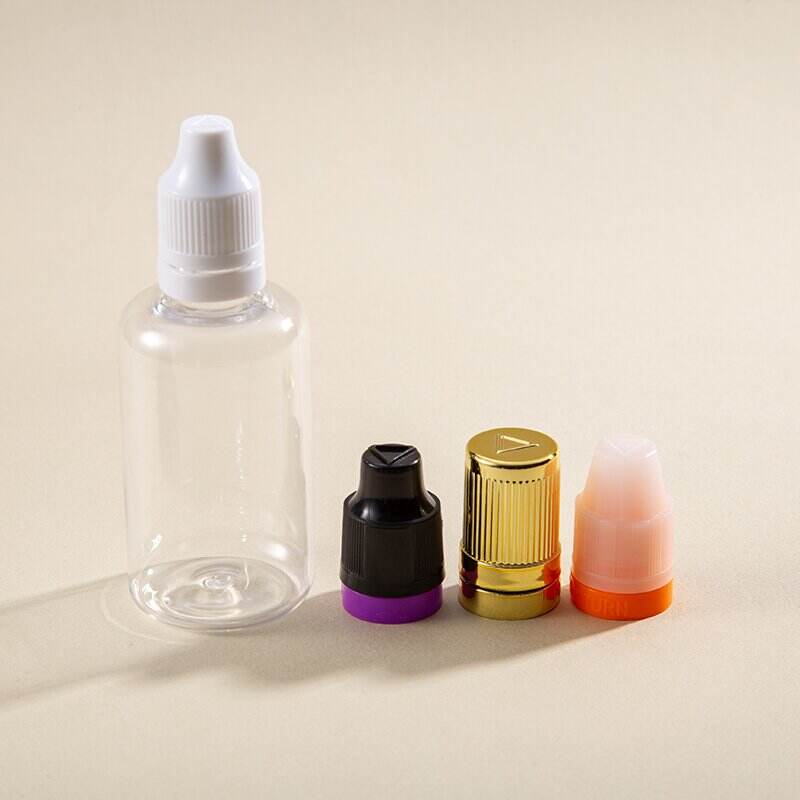
Why Packaging Set Design Matters in B2B Brand Strategy
Packaging set design is far more than a container—it’s a strategic asset that directly influences brand perception, operational efficiency, and customer trust. In B2B transactions—where products undergo complex logistics and face multi-tiered stakeholder evaluations—cohesive packaging communicates professionalism and reliability before the product is even unboxed. Research shows that 74% of B2B buyers cite consistent brand presentation as a key factor in supplier selection (Forrester 2023), making visual cohesion across product lines non-negotiable.
Unlike B2C packaging, which prioritizes shelf appeal, B2B packaging must balance three interdependent priorities:
- Functional Durability: Protection through industrial handling cycles
- Brand Integrity: Embedding corporate identity into structural and graphic design
- Operational Efficiency: Compatibility with warehouse automation, palletization, and fulfillment workflows
Damaged goods cost industrial manufacturers an average of $740k annually (Ponemon 2023)—a preventable loss where robust, integrated packaging design becomes ROI-positive. Further, 68% of procurement managers report that packaging reflecting technical sophistication increases perceived product value (B2B Packaging Trends Report 2024). When engineered strategically, packaging shifts from a cost center to a credibility-building, loss-prevention, and brand-extending powerhouse.
Core Principles of Effective Packaging Set Design
A strategic packaging set design ensures all packages within a brand’s portfolio function as a unified system—not isolated units. Rather than designing each box in isolation, teams apply principles that reinforce brand identity, streamline production, and elevate the end-user experience. Two core pillars define this approach: visual cohesion and functional scalability.
Visual Cohesion Across Product Lines
Consistent visual elements—logo placement, color palette, typography, and graphic language—across SKUs make the brand instantly recognizable. On a distributor’s shelf or in a maintenance warehouse, visual cohesion helps buyers identify the brand at a glance, reinforcing trust and simplifying inventory decisions. For B2B stakeholders, it signals attention to detail and operational discipline—qualities that directly influence procurement confidence and long-term partnership decisions.
Functional Integration and Scalable Structure
Effective packaging set design extends beyond aesthetics to how packages interact in real-world environments: storage, shipping, handling, and point-of-use. A scalable structure means shared dimensional logic—common box footprints, modular inserts, or standardized closures—across product variants. This reduces tooling investment, simplifies inventory of packaging components, and accelerates line extensions without compromising brand consistency. Functional integration also encompasses stackability, tamper-evident opening, ergonomic access, and protection integrity—all validated against actual distribution conditions.
The Packaging Set Design Process: From Brief to Production
Collaborative Discovery and Brand Alignment
The process begins with a discovery phase grounded in cross-functional alignment. Design, marketing, supply chain, and engineering teams jointly review brand strategy, product requirements, and stakeholder expectations. Key inputs include dimensional constraints, material compliance needs (e.g., FDA, REACH, ISTA), sustainability targets, and existing brand guidelines. This collaborative brief anchors the entire effort in business objectives—ensuring packaging supports not just aesthetics, but regulatory readiness, automation compatibility, and lifecycle cost control.
Prototyping, Testing, and B2B Stakeholder Feedback
After concept development, physical prototypes are built and tested against both performance and perception criteria. Structural validation includes drop tests, compression resistance, vibration simulation, and pallet stability assessments aligned with ISTA 3A or similar standards. Simultaneously, B2B stakeholders—including procurement, field service, and logistics leads—evaluate usability, labeling clarity, and brand fidelity. Iterative feedback refines fit, function, and communication—catching issues before tooling commitment. This dual-track validation de-risks mass production and ensures the final set performs reliably across the full value chain.
Measuring Success: ROI and Performance Indicators for Packaging Set Design
Quantifying the return on investment (ROI) of packaging set design is essential for strategic B2B decision-making. Businesses must track tangible outcomes like production cost reductions, material waste minimization, and supply chain efficiencies. A leading packaging study found optimized designs can reduce material expenses by up to 22% while improving throughput by 18% (NTT Data 2023).
Beyond direct savings, success is measured across three domains:
- Brand Perception Metrics: Customer sentiment analysis, premium-tier adoption rates, and unboxing experience scores
- Operational KPIs: Assembly time reductions, in-transit damage rate improvements (target: <0.5%), and warehouse space utilization gains
- Market Impact: Sales conversion lift attributed to cohesive shelf presence and distributor reorder velocity
Businesses that systematically monitor these indicators typically see payback periods under 14 months. Longitudinal data reveals that strategic packaging design delivers 4.7X greater lifetime value than transactional, SKU-by-SKU approaches (Ponemon 2023). This measurement framework transforms packaging from a cost center into a documented growth accelerator—with accountability built into every stage.
FAQ
Why is packaging set design important in B2B strategies?
Packaging set design communicates professionalism, protects products, and ensures operational efficiency, which helps build trust and credibility with B2B stakeholders.
How does packaging design impact brand perception in B2B?
Consistent visuals such as logos, colors, and typography across packaging make a brand recognizable, increasing trust and signaling operational organization and quality.
What are the core principles of effective packaging set design?
The two key principles are visual cohesion, ensuring branding consistency across product lines, and functional scalability, ensuring packaging works seamlessly in diverse storage, shipping, and usage scenarios.
How can businesses measure the success of their packaging design?
Success can be evaluated through brand perception metrics, operational KPIs, and market impact, such as customer satisfaction, damage rate reduction, and improved sales conversions.
What role does prototyping and testing play in packaging set design?
Prototyping and testing validate the design’s structural integrity, usability, and alignment with brand strategy, ensuring reliable performance throughout the supply chain.
Table of Contents
- Why Packaging Set Design Matters in B2B Brand Strategy
- Core Principles of Effective Packaging Set Design
- The Packaging Set Design Process: From Brief to Production
- Measuring Success: ROI and Performance Indicators for Packaging Set Design
-
FAQ
- Why is packaging set design important in B2B strategies?
- How does packaging design impact brand perception in B2B?
- What are the core principles of effective packaging set design?
- How can businesses measure the success of their packaging design?
- What role does prototyping and testing play in packaging set design?

