
 EN
EN
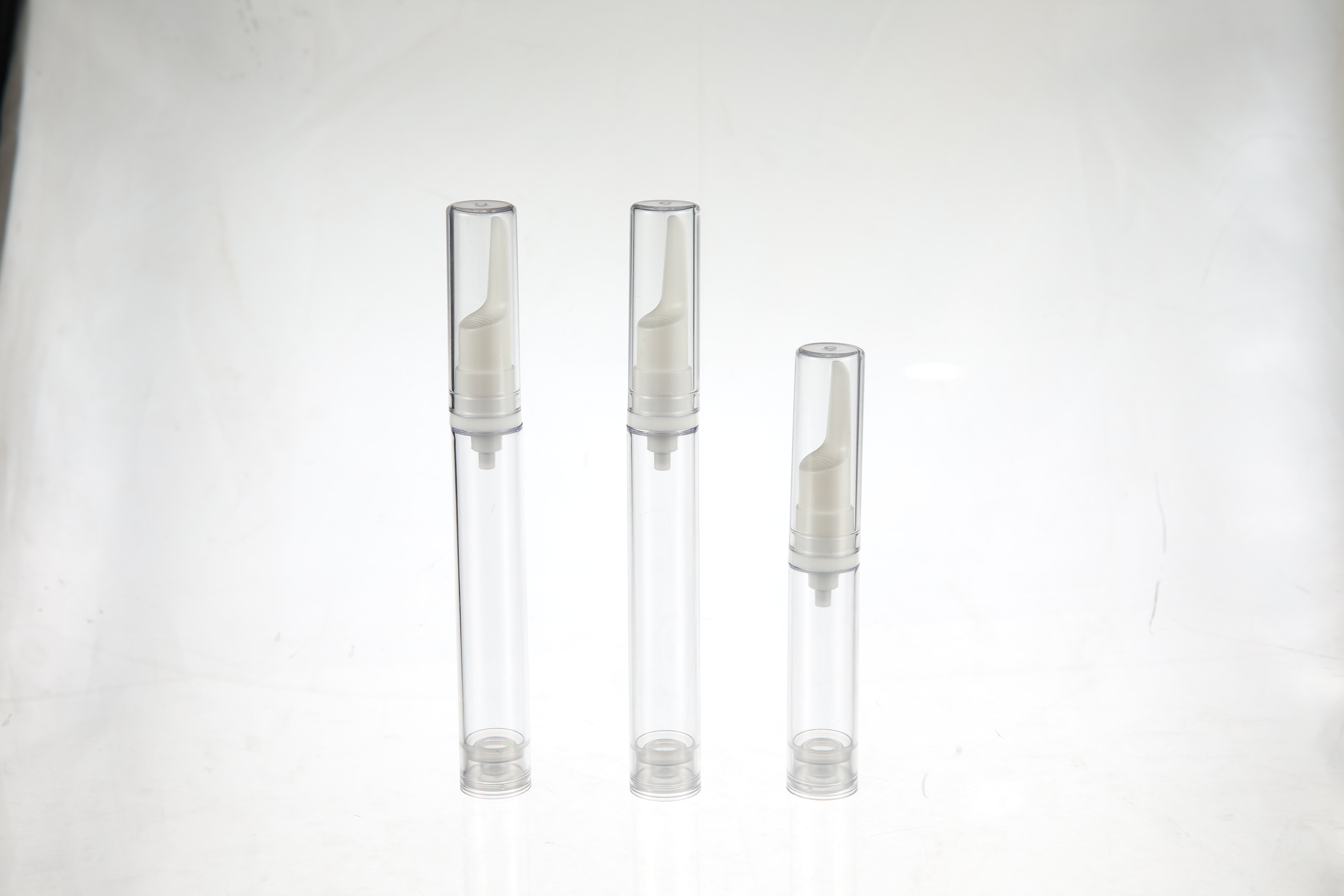
HDPE chemical bottles have become the industry standard for safely storing and transporting hazardous substances across manufacturing, laboratory, and industrial facilities worldwide. The reliability of HDPE chemical bottles stems from the unique molecular structure of high-density polyethylene, a thermoplastic polymer engineered to withstand aggressive chemical exposure that would compromise ordinary plastic containers. Understanding how HDPE chemical bottles protect against corrosion and leakage is essential for any facility manager, procurement professional, or safety officer responsible for chemical handling and compliance.
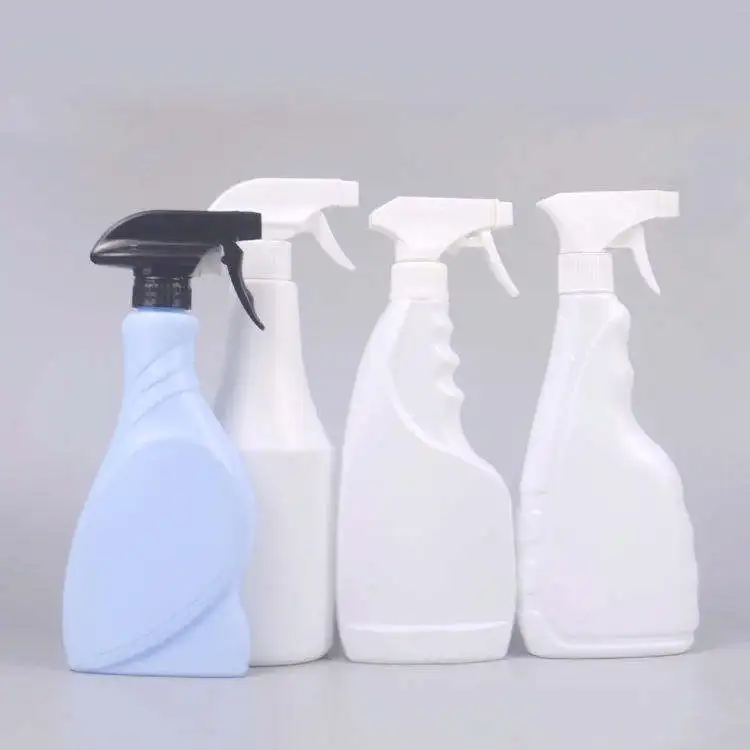
The protection mechanisms embedded in HDPE chemical bottles operate at both material and design levels, combining chemical resistance with structural integrity to create a complete containment solution. HDPE chemical bottles prevent corrosion through superior material chemistry while leakage prevention relies on precision manufacturing, threaded closures, and seal compatibility. This dual-layer protection strategy ensures that hazardous materials remain safely contained from the point of filling through final disposal, meeting regulatory requirements and protecting workers, facilities, and the environment.
How Material Chemistry Makes HDPE Chemical Bottles Corrosion-Resistant
Polymer Structure and Chemical Resistance
The molecular composition of HDPE creates an inherent resistance to chemical degradation that distinguishes HDPE chemical bottles from lower-grade polyethylene alternatives. High-density polyethylene consists of tightly packed polymer chains with minimal branching, producing a dense crystalline structure that resists penetration by aggressive solvents, acids, and bases. When corrosive substances come into contact with HDPE chemical bottles, the material maintains structural integrity because the dense molecular arrangement prevents chemical molecules from breaking polymer bonds or causing swelling.
HDPE chemical bottles resist a broader spectrum of chemicals than standard plastic containers because the material's chemical resistance extends across aliphatic hydrocarbons, alcohols, weak acids, and dilute alkaline solutions. Industrial facilities storing everything from cleaning agents to industrial solvents benefit from this broad compatibility range, reducing the need to maintain multiple container types for different chemical inventories. The resistance profile of HDPE chemical bottles means fewer container failures, reduced replacement costs, and improved workplace safety across diverse chemical storage applications.
Comparison with Less Resistant Materials
Lower-density polyethylene and polypropylene containers lack the molecular density of HDPE chemical bottles, making them vulnerable to permeation and stress-cracking when exposed to aromatic solvents or strong oxidizing agents. Glass containers, while offering superior chemical resistance to virtually all substances, represent significant cost and breakage liability concerns that make HDPE chemical bottles the practical choice for high-volume industrial storage. HDPE chemical bottles balance the chemical resistance of glass with the safety, cost efficiency, and ease of handling that industrial operations require.
Leakage Prevention Through Design and Manufacturing Excellence
Precision Closure Systems and Seal Engineering
The leakage prevention capability of HDPE chemical bottles depends fundamentally on engineered closure systems that create reliable seals between the bottle neck and cap interface. Modern HDPE chemical bottles incorporate threaded closures with multiple seal points including compression gaskets, liner materials, and precisely-machined threads that prevent liquid migration or vapor escape. Manufacturers of HDPE chemical bottles test closure integrity under pressure, temperature variation, and chemical exposure to ensure that sealed HDPE chemical bottles maintain zero leakage across storage and transport conditions.
Liner materials used in caps for HDPE chemical bottles must themselves resist the stored chemical to prevent degradation of the seal interface. Polyethylene-lined caps, foam liners, or fluoropolymer-lined caps are selected based on the specific chemical stored within HDPE chemical bottles, ensuring that neither the cap material nor the seal material becomes compromised over the product's shelf life. This careful material matching means HDPE chemical bottles with properly-specified closures provide leakage-free containment for months or years without requiring re-sealing or maintenance.
Quality Manufacturing and Testing Standards
HDPE chemical bottles manufactured to industrial standards undergo rigorous quality control including wall thickness uniformity testing, pressure testing, and actual chemical compatibility validation before release to customers. Manufacturers monitor injection molding processes precisely to ensure that every HDPE chemical bottles unit maintains consistent wall thickness, preventing weak points where leakage or rupture could occur under pressure or temperature stress. Testing protocols for HDPE chemical bottles include pressure cycling, temperature cycling, and accelerated aging with actual stored chemicals to validate long-term performance.
Third-party certification standards applicable to HDPE chemical bottles, such as UN classification requirements for hazardous materials transport, mandate specific design and performance criteria that manufacturers must meet. These standards establish minimum wall thickness, closure strength, and pressure capacity requirements that protect HDPE chemical bottles from structural failure during normal handling and accidental impact scenarios. Compliance with these standards means HDPE chemical bottles purchased from reputable suppliers meet proven performance benchmarks that ensure both corrosion resistance and leakage prevention.
Industrial Application Scenarios Where HDPE Chemical Bottles Excel
Manufacturing and Processing Operations
Manufacturing facilities handling specialty chemicals, paint additives, and process solvents rely on HDPE chemical bottles because the material's broad chemical compatibility eliminates the need for specialized container inventories. Production lines move materials through HDPE chemical bottles efficiently, knowing the containers will not degrade, discolor, or compromise product quality through contamination or chemical interaction. HDPE chemical bottles reduce inventory complexity by functioning reliably across multiple chemical applications within the same facility.
Laboratory and Research Environments
Laboratories storing reagents, standards, and analytical chemicals benefit from HDPE chemical bottles because the material's transparency allows easy level monitoring while maintaining chemical stability. HDPE chemical bottles in laboratory settings prevent cross-contamination between different chemical samples because the material does not leach or absorb substances that would alter analytical results. Researchers and lab managers choose HDPE chemical bottles specifically for their compatibility with the widest range of organic and inorganic reagents commonly used in analytical work.
FAQ
What chemical substances cannot be stored safely in HDPE chemical bottles?
HDPE chemical bottles are not recommended for long-term storage of concentrated aromatic hydrocarbons, halogenated solvents, or strong oxidizing agents because these substances can cause stress-cracking or permeation through the HDPE material. Strong mineral acids and alkalis at high concentrations may degrade HDPE chemical bottles over extended periods, though diluted versions of these substances often remain compatible. Facilities storing such chemicals should consult compatibility charts specific to HDPE chemical bottles from manufacturers or conduct small-scale testing before committing to full-volume storage.
How long do sealed HDPE chemical bottles maintain integrity without leakage?
Properly sealed HDPE chemical bottles maintain leakage-free containment for periods ranging from one to five years or longer, depending on storage temperature, chemical reactivity, and environmental conditions. Temperature fluctuation accelerates the degradation process in HDPE chemical bottles by promoting permeation and gasket material breakdown, so climate-controlled storage extends the useful life significantly. Manufacturers typically provide shelf-life recommendations for HDPE chemical bottles based on the specific chemical stored, and following these guidelines ensures optimal performance throughout the intended storage period.
Can HDPE chemical bottles be reused after the original chemical is removed?
HDPE chemical bottles can be reused for similar chemical applications after thorough cleaning and inspection, provided the bottles show no signs of degradation, discoloration, or permeation damage. However, reusing HDPE chemical bottles for different chemical types requires careful compatibility assessment to ensure the previous chemical's residue will not react with the new substance. Many facilities prefer single-use HDPE chemical bottles for hazardous materials to eliminate any risk of chemical incompatibility or cross-contamination that could occur during reuse of HDPE chemical bottles.

