
 EN
EN
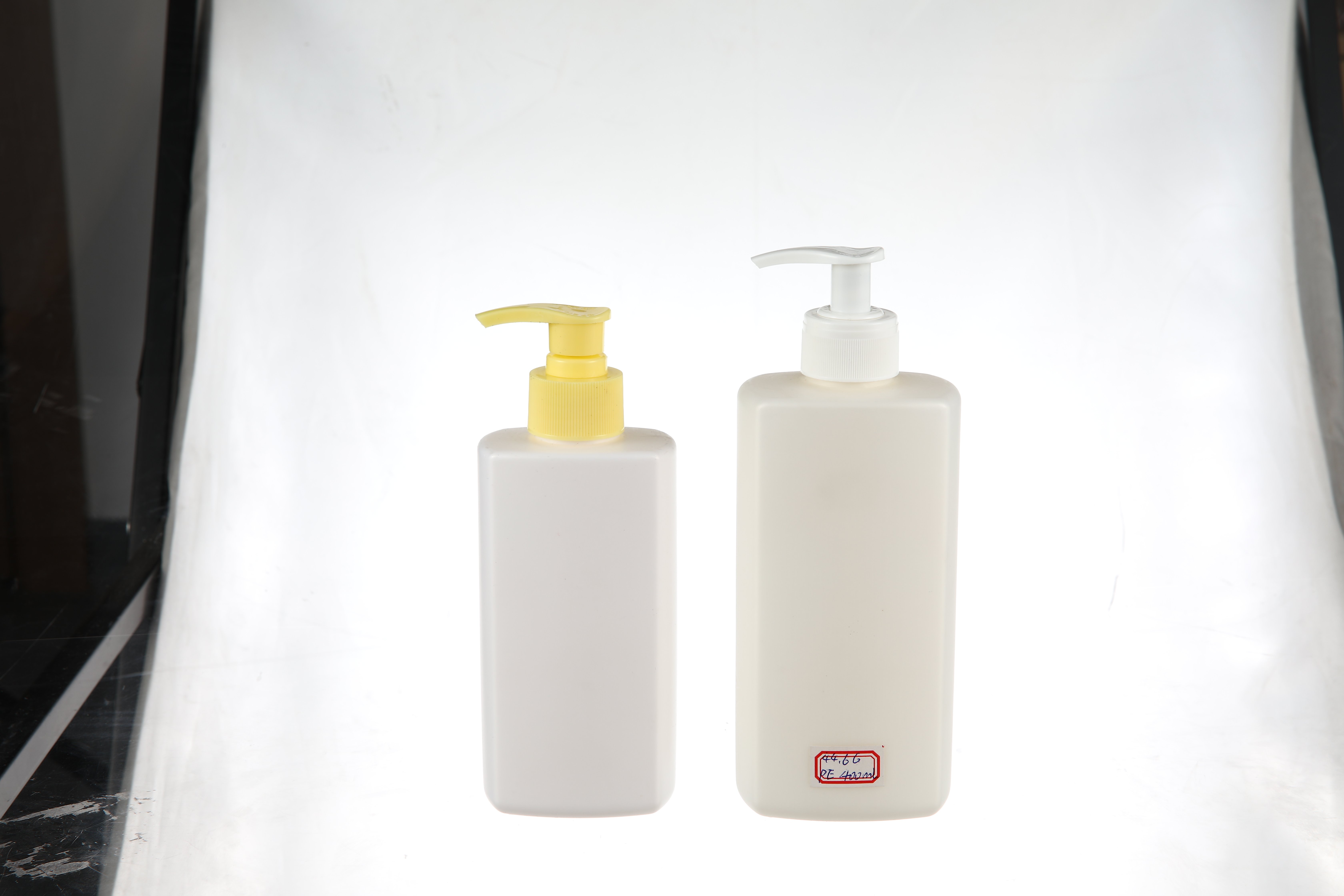
HDPE capsule bottles represent a critical advancement in product storage and preservation technology. These specialized containers have become the industry standard for maintaining freshness and stability across numerous applications, from household cleaners to personal care products. The design and material composition of HDPE capsule bottles work together to create an environment where product integrity remains intact throughout the entire shelf life, addressing one of the most pressing concerns for manufacturers and consumers alike.
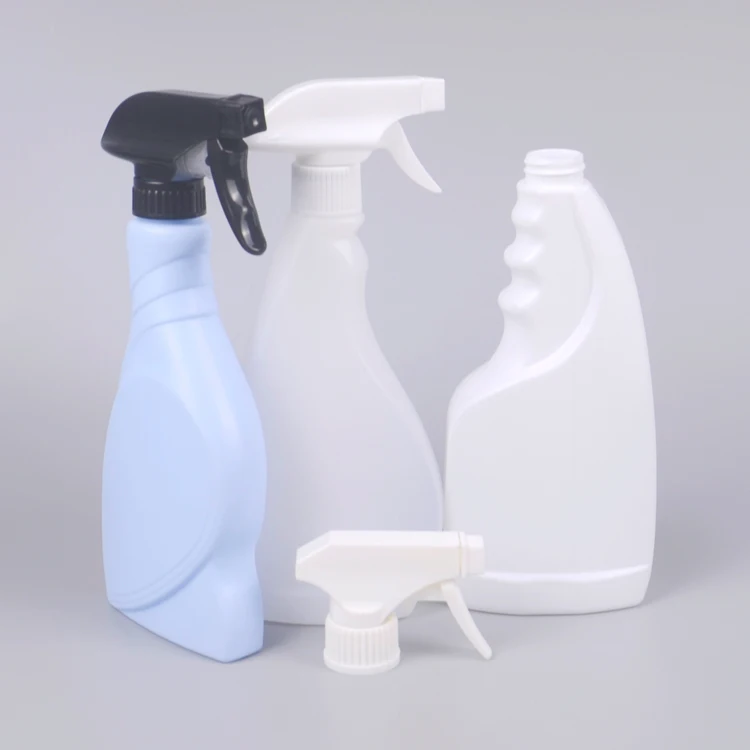
The effectiveness of HDPE capsule bottles in preserving product quality stems from multiple interconnected factors working in concert. Understanding how these bottles function reveals why they have become the preferred choice for demanding storage applications. From material science to engineering design, HDPE capsule bottles employ sophisticated strategies that actively prevent degradation, contamination, and loss of product potency over extended periods.
Material Properties and Barrier Protection
Chemical Composition and Impermeability
HDPE capsule bottles derive their preservation capabilities from high-density polyethylene's exceptional molecular structure. This thermoplastic polymer creates an impermeable barrier that prevents oxygen infiltration, a primary cause of product oxidation and degradation. When manufacturers produce HDPE capsule bottles using virgin resin and rigorous quality standards, the material density reaches optimal levels that block moisture vapor transmission while maintaining structural integrity. The crystalline regions within HDPE capsule bottles create pathways that resist gaseous and liquid penetration far more effectively than lower-density alternatives.
The inherent properties of HDPE capsule bottles make them exceptionally resistant to chemical interaction. Products stored in HDPE capsule bottles remain chemically stable because the container does not leach harmful substances or react with contents. This chemical neutrality ensures that formulated products maintain their intended composition without unwanted reactions that could alter efficacy or safety profiles. HDPE capsule bottles with proper wall thickness deliver consistent barrier performance across temperature ranges typically encountered in storage environments.
Seal Integrity and Closure Systems
The superiority of HDPE capsule bottles extends significantly to their sealing mechanisms and closure compatibility. Most HDPE capsule bottles feature threads and capsule-style tops engineered for airtight compression, creating a hermetic seal that prevents air exchange. The closure design of quality HDPE capsule bottles incorporates multiple sealing surfaces that work together to eliminate leakage pathways. When properly assembled, HDPE capsule bottles maintain consistent pressure differentiation between internal and external environments, which minimizes vapor loss and external contamination entry.
Premium HDPE capsule bottles often include safety features such as tamper-evident bands or sealed caps that provide visible confirmation of closure integrity. These design elements in HDPE capsule bottles serve both preservation and consumer protection functions. The precision manufacturing of HDPE capsule bottles ensures that thread engagement and cap seating remain consistent across production batches, eliminating weak points where product deterioration could accelerate. Testing protocols for HDPE capsule bottles validate that closures maintain effectiveness across pressure variations and temperature fluctuations.
UV Protection and Environmental Resistance
Light Barrier Technology
HDPE capsule bottles frequently feature opaque pigmentation that provides critical ultraviolet light protection. Light exposure represents a significant threat to product stability, causing photodegradation and color changes in sensitive formulations. HDPE capsule bottles manufactured with white, amber, or opaque colorants incorporate UV-absorbing additives that create a protective shield against damaging radiation wavelengths. The opacity of HDPE capsule bottles reduces light penetration to levels that preserve photosensitive ingredients and maintain product appearance throughout shelf life.
The light-blocking capability of HDPE capsule bottles addresses both aesthetic and functional preservation needs. Certain pharmaceutical and cosmetic products require complete darkness for stability maintenance, making HDPE capsule bottles with enhanced opacity essential for compliance. When manufacturers specify white or amber variants of HDPE capsule bottles, they create a defense mechanism against light-induced spoilage. The pigmentation in HDPE capsule bottles integrates seamlessly with the base polymer without compromising barrier properties or mechanical strength.
Temperature and Environmental Stability
HDPE capsule bottles demonstrate remarkable stability across temperature ranges from freezing to elevated heat conditions. The molecular rigidity of HDPE maintains consistent barrier performance even when ambient temperatures fluctuate significantly. HDPE capsule bottles resist warping and structural degradation that could compromise seal effectiveness or allow contaminant ingress. Industrial testing confirms that HDPE capsule bottles retain their protective properties when exposed to temperature cycling that would damage lower-quality containers.
Environmental factors including humidity, atmospheric pressure, and storage duration present ongoing challenges to product preservation. HDPE capsule bottles counteract these challenges through superior moisture barrier capabilities that prevent water vapor absorption. The hydrophobic nature of HDPE capsule bottles ensures that stored products remain protected from humidity-driven degradation processes. Manufacturers rely on HDPE capsule bottles specifically because their environmental stability indices exceed those of alternative container materials across realistic storage scenarios.
Design Features and Practical Implementation
Capacity Optimization and Product Contact Minimization
The engineering of HDPE capsule bottles emphasizes precise volume calibration to minimize headspace between the product surface and closure. This air volume reduction directly correlates with extended freshness maintenance in HDPE capsule bottles because less oxygen remains available for oxidation reactions. Manufacturers design HDPE capsule bottles with varying capacities to accommodate different product volumes while maintaining optimal fill ratios. The capsule design of HDPE bottles creates a geometry that maximizes contact area with sealing surfaces while minimizing internal air cavities.
Smart packaging principles applied to HDPE capsule bottles include incorporating oxygen scavengers or inert atmosphere packaging during filling operations. These supplementary preservation methods work synergistically with the inherent properties of HDPE capsule bottles to create layered protection against oxidative degradation. The dimensional consistency of HDPE capsule bottles enables manufacturers to implement advanced filling technologies that reduce headspace to critical minimums. This precision approach to HDPE capsule bottles represents best practice in freshness preservation across demanding industries.
Regulatory Compliance and Quality Assurance
HDPE capsule bottles manufactured to international standards undergo rigorous testing protocols that validate freshness preservation performance. Compliance testing for HDPE capsule bottles includes permeation rate measurements, seal integrity verification, and accelerated aging studies. Regulatory frameworks specify that HDPE capsule bottles must meet stringent requirements for food contact surfaces, pharmaceutical applications, and chemical storage. The documented performance of HDPE capsule bottles provides manufacturers with confidence that products will maintain specified quality parameters throughout intended shelf life.
Quality assurance procedures for HDPE capsule bottles incorporate statistical process control and periodic testing to ensure batch consistency. Manufacturing excellence in producing HDPE capsule bottles directly translates to reliable freshness preservation for end consumers. Third-party certification and material traceability for HDPE capsule bottles provide additional verification that preservation capabilities meet documented claims. Companies that prioritize HDPE capsule bottles as their primary packaging solution demonstrate commitment to product integrity and consumer protection standards.
FAQ
What specific factors in HDPE capsule bottles prevent oxidation and product degradation?
HDPE capsule bottles prevent oxidation through multiple synergistic mechanisms including high oxygen barrier properties of the HDPE material, airtight seal design that minimizes air exchange, and opaque colorants that block ultraviolet light exposure. The crystalline molecular structure of HDPE capsule bottles creates pathways that resist gas penetration, while the closure system maintains hermetic conditions. Additionally, HDPE capsule bottles often accommodate oxygen scavenging technologies that further reduce available oxygen within the container headspace.
How do HDPE capsule bottles compare to other container materials in preserving product freshness?
HDPE capsule bottles outperform glass containers in certain applications due to superior impact resistance and lighter weight, while offering better chemical compatibility than certain plastic alternatives. The barrier properties of HDPE capsule bottles exceed those of lower-density polyethylene or polypropylene containers, particularly for long-term storage applications. The sealing efficiency of HDPE capsule bottles with capsule-style closures provides advantages over conventional screw-cap systems in many industrial contexts. HDPE capsule bottles represent an optimal balance between protection, functionality, and cost-effectiveness for most commercial applications.
Can HDPE capsule bottles be recycled, and does this affect their preservation capability?
HDPE capsule bottles manufactured from virgin polyethylene resin deliver superior preservation performance compared to recycled material alternatives, though quality recycled HDPE can also provide adequate barrier properties when properly processed. The preservation capability of HDPE capsule bottles depends primarily on material quality, wall thickness, and closure integrity rather than whether the resin originated from virgin or recycled sources. Manufacturers who specify virgin resin for HDPE capsule bottles prioritize freshness preservation as a primary criterion. After consumer use, HDPE capsule bottles remain highly recyclable, supporting circular economy principles while their original preservation performance remains uncompromised throughout product shelf life.

