
 EN
EN
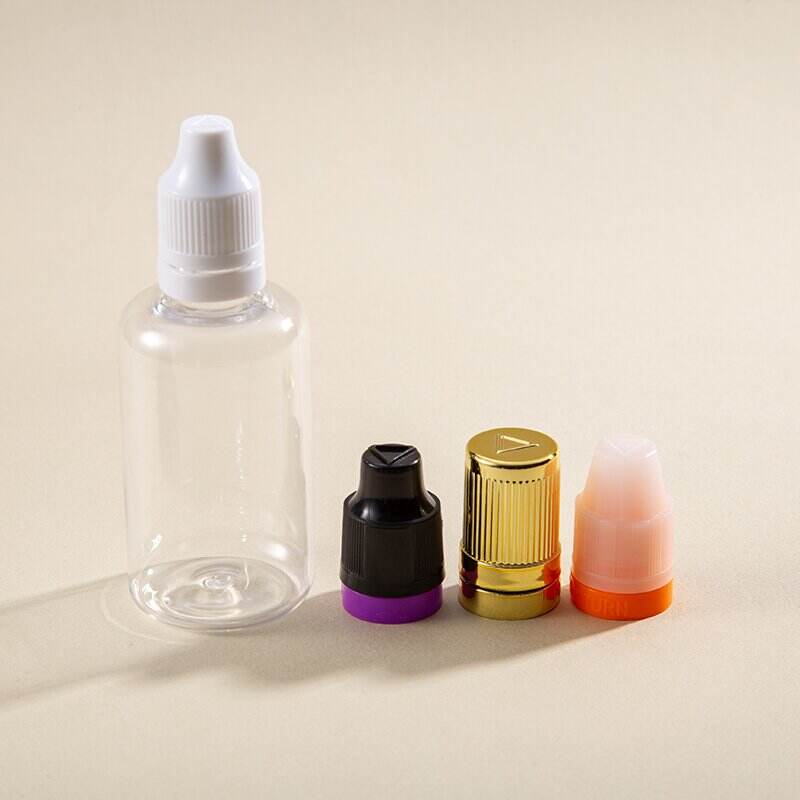
In any laboratory setting, the tools used to handle and dispense liquids directly affect both safety and result accuracy. chemistry dropper bottles are among the most critical instruments for this purpose. Whether in academic research, industrial testing, or educational labs, chemistry dropper bottles allow technicians and students to control liquid flow with precision that bulk containers simply cannot provide. Understanding how chemistry dropper bottles function in practice helps laboratories make better decisions about their dispensing tools.
Chemistry dropper bottles are designed to deliver measured, drop-by-drop volumes of liquid reagents, solvents, or solutions. This controlled dispensing is not merely a convenience — it is a fundamental requirement for repeatable and verifiable experimental outcomes. When chemistry dropper bottles are used correctly, they reduce the risk of over-dosing reactive chemicals, minimize cross-contamination between samples, and contribute to the overall reliability of laboratory workflows. Investing in the right chemistry dropper bottles is therefore a practical decision rooted in both safety and scientific accuracy.
Precision Dispensing and Experimental Accuracy
How Drop Control Affects Results
One of the most significant advantages of chemistry dropper bottles is their ability to deliver consistent drop volumes. In titration, pH testing, and reagent preparation, even a single excess drop can alter a reaction outcome or invalidate a test reading. Chemistry dropper bottles with fine-tip dispensers or calibrated nozzles allow users to release one drop at a time, maintaining the exact stoichiometric ratios required by a protocol. This level of control is what separates reliable lab data from inconsistent, error-prone results.
Chemistry dropper bottles also reduce the physical risk of splashing or spilling concentrated chemicals. When a technician uses a large open container, pouring even a small volume introduces the chance of uncontrolled release. Chemistry dropper bottles confine the liquid pathway to a narrow tip, so the user applies minimal pressure and receives a predictable, small-volume output. Labs that switch from open containers to chemistry dropper bottles consistently report fewer dispensing errors and improved procedural compliance.
Volume Consistency Across Repeated Use
Repeatable experiments require repeatable dispensing. Chemistry dropper bottles maintain volume consistency because their tip geometry is standardized and their squeeze mechanism responds predictably to finger pressure. When multiple team members use the same type of chemistry dropper bottles, the variation between individual dispensing actions is minimized. This is especially important in quality control labs where inter-operator consistency is evaluated as part of measurement system analysis.
Safety Mechanisms Built Into Chemistry Dropper Bottles
Child-Resistant and Tamper-Evident Caps
Modern chemistry dropper bottles are manufactured with safety closures that reduce accidental exposure to hazardous materials. Child-resistant caps on chemistry dropper bottles require a deliberate two-step action to open, which prevents unintended access in mixed-use or educational environments. Tamper-evident seals on chemistry dropper bottles also confirm that the contents have not been altered or contaminated between preparation and use. These closure features make chemistry dropper bottles a responsible choice for labs that store reactive, toxic, or sensitive reagents.
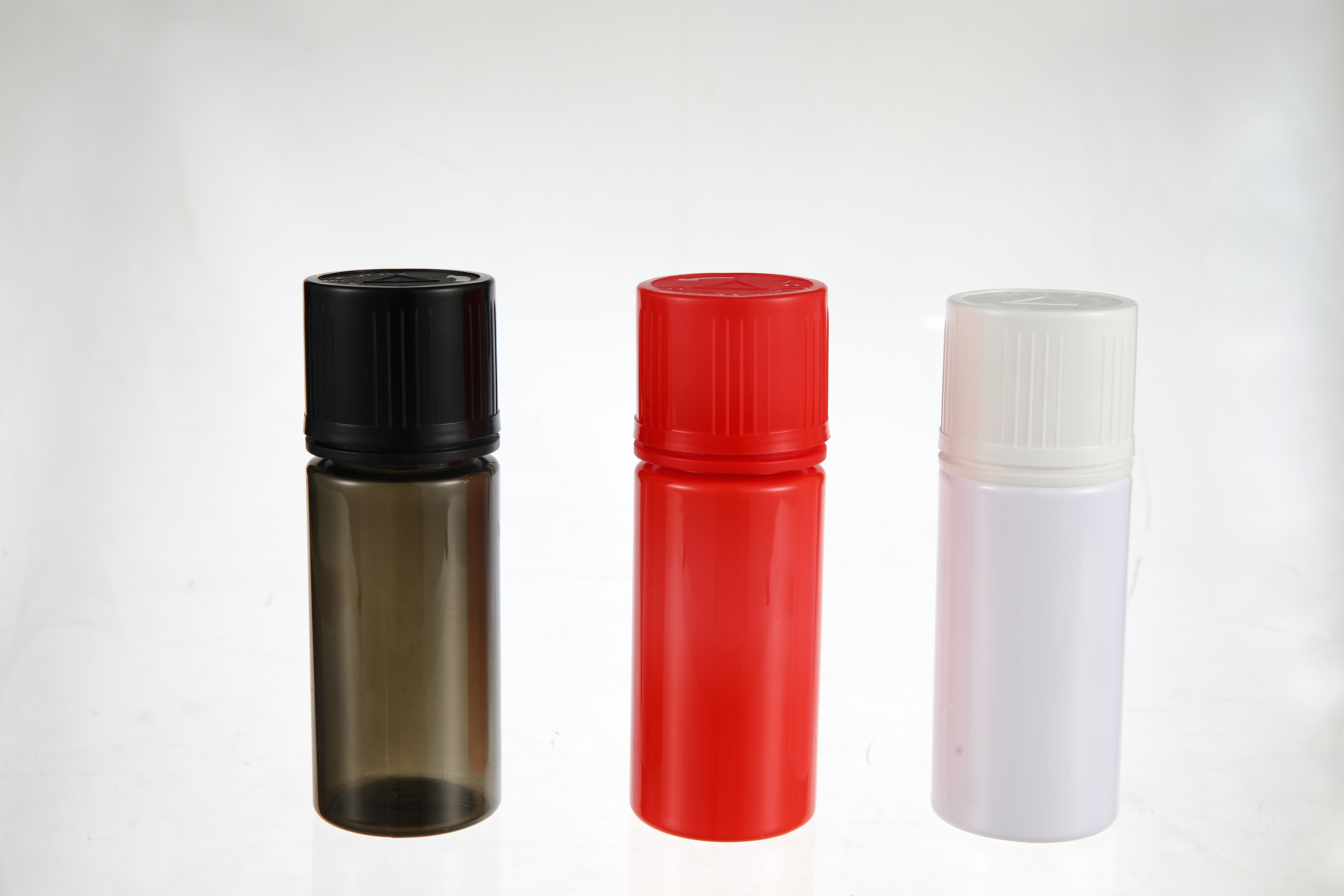
Chemistry dropper bottles with secure caps also help prevent evaporation of volatile solvents. When a solvent evaporates inside storage, its concentration changes, which compromises the accuracy of any subsequent experiment. Chemistry dropper bottles that seal tightly between uses preserve solution integrity and extend the usable shelf life of prepared reagents. This contributes directly to cost efficiency and reduces the frequency of reagent waste.
Material Compatibility and Chemical Resistance
Not all dropper bottles are suitable for every chemical. Chemistry dropper bottles made from PET or HDPE plastics offer resistance to a wide range of aqueous solutions, mild acids, bases, and common organic solvents. Selecting chemistry dropper bottles with the correct material specification prevents container degradation, leaching of plastic compounds into sensitive reagents, and structural failure during use. Labs handling strong oxidizers or halogenated solvents should review material compatibility data before choosing chemistry dropper bottles for those specific applications.
Chemistry dropper bottles with colored or opaque bodies provide an additional layer of protection for light-sensitive reagents such as iodine solutions, silver nitrate preparations, or photoreactive compounds. By blocking UV and visible light exposure, these chemistry dropper bottles preserve reagent activity over time. When reagent stability is critical to experiment validity, using appropriately specified chemistry dropper bottles is not optional — it is a baseline requirement of good laboratory practice.
Practical Application of Chemistry Dropper Bottles in Lab Workflows
Labeling, Organization, and Traceability
Chemistry dropper bottles support organized laboratory environments through clear labeling surfaces and standardized sizing. Labs that use chemistry dropper bottles with flat labeling panels can apply GHS-compliant hazard labels, concentration data, and preparation dates directly to the bottle body. This makes chemistry dropper bottles not only dispensing tools but also traceable sample containers that support chain-of-custody documentation in regulated environments. Properly labeled chemistry dropper bottles reduce the risk of misidentification errors that could compromise safety or result validity.
Standardizing on a consistent range of chemistry dropper bottles across a laboratory also simplifies inventory management. When all chemistry dropper bottles share compatible cap formats and tip sizes, restocking and replacement become straightforward processes. Labs that adopt a unified system of chemistry dropper bottles find that training new personnel is faster and that procedural instructions can reference a single bottle type without ambiguity.
From Classroom to Advanced Research
Chemistry dropper bottles serve a wide range of users, from undergraduate students learning basic titration to advanced researchers preparing microvolume assay reagents. In educational settings, chemistry dropper bottles reduce the hazard of direct pipette contact with corrosive substances. In research labs, chemistry dropper bottles offer the portability and low-volume capacity needed for bench-scale preparation. The adaptability of chemistry dropper bottles across skill levels and application types reflects their fundamental utility in any chemistry-focused environment.
FAQ
What sizes are chemistry dropper bottles typically available in?
Chemistry dropper bottles are commonly available in 10ml, 20ml, and 30ml capacities. These sizes cover the most frequent dispensing needs in laboratory and educational settings, offering enough volume for daily use while keeping the bottle compact and easy to handle.
How should chemistry dropper bottles be cleaned between uses?
Chemistry dropper bottles should be rinsed thoroughly with an appropriate solvent or deionized water, depending on the previous contents. After rinsing, chemistry dropper bottles should be allowed to air dry completely before refilling to prevent contamination or dilution of the new reagent.
Can chemistry dropper bottles be used for non-aqueous solvents?
Yes, chemistry dropper bottles made from compatible plastics such as HDPE can handle many non-aqueous solvents. However, it is important to verify the chemical resistance of the specific chemistry dropper bottles material before use, as some solvents may degrade certain plastics over time.

