
 EN
EN
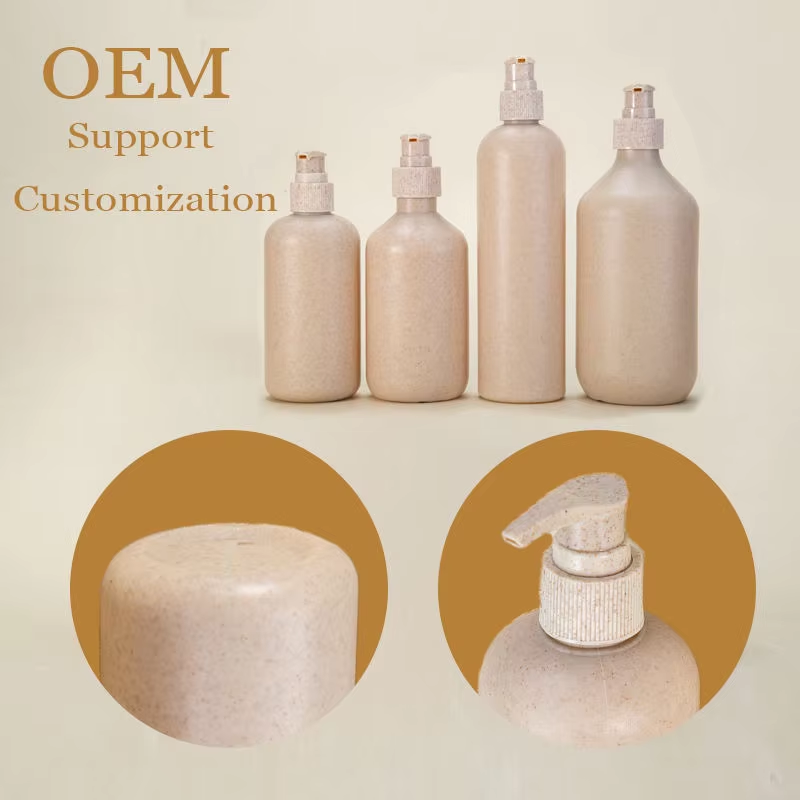
In today's hygiene-conscious environment, the design and functionality of personal care packaging have become critical factors in consumer satisfaction and public health outcomes. A hand lotion pump bottle represents more than just a container—it serves as the primary interface between users and their skincare products, directly influencing both the convenience of application and the prevention of contamination. As businesses and institutions seek to enhance sanitation standards while improving customer experiences, understanding how specialized dispensing mechanisms can achieve both objectives simultaneously has become essential for product designers, facility managers, and brand developers alike.
The hand lotion pump bottle delivers measurable improvements in user experience through its controlled dispensing mechanism, which eliminates the need for unscrewing caps or squeezing tubes while simultaneously preventing product contamination through no-touch operation. This dual functionality addresses two critical pain points in personal care product usage: the frustration of messy, imprecise application and the risk of bacterial transfer through repeated direct contact with container openings. By examining the specific mechanisms through which pump bottle designs achieve these benefits, businesses can make informed decisions about packaging selection that align with both consumer expectations and evolving hygiene standards across residential, commercial, and healthcare settings.
Understanding the Mechanical Advantages of Pump Bottle Design
Precision Dosing Through Spring-Loaded Mechanisms
The engineering foundation of a hand lotion pump bottle centers on its spring-loaded piston mechanism, which creates consistent volumetric dispensing with each depression. This mechanical system typically delivers between 1.5 to 3 milliliters of product per pump action, depending on the specific design specifications. The precision emerges from the fixed displacement chamber within the pump mechanism, which draws a predetermined volume from the reservoir and expels it through the actuator nozzle. For users, this translates to predictable product quantities that reduce waste, prevent over-application, and enable more accurate cost calculations for institutional buyers managing inventory across multiple facilities.
The spring mechanism itself operates through a compression-release cycle that requires minimal force, typically between 2 to 4 pounds of downward pressure. This low activation threshold makes the hand lotion pump bottle accessible to users with limited hand strength, including elderly individuals and those with arthritis or other mobility limitations. The smooth, consistent resistance throughout the depression stroke provides tactile feedback that enhances the sense of control, contributing to overall user confidence in the dispensing process. When compared to squeeze bottles that require sustained grip pressure or twist caps that demand fine motor coordination, the pump mechanism demonstrates clear ergonomic superiority across diverse user populations.
Material Engineering for Contamination Prevention
Modern hand lotion pump bottle designs incorporate materials specifically selected for their resistance to bacterial colonization and chemical compatibility with lotion formulations. High-quality pump assemblies utilize polypropylene or polyethylene components that resist degradation from exposure to emollients, preservatives, and fragrance compounds commonly found in hand lotions. These materials maintain structural integrity throughout thousands of dispensing cycles while preventing leaching of plasticizers or additives into the product itself. The material selection process also considers surface energy characteristics, with manufacturers choosing polymers that minimize adhesion sites for microbial attachment.
The one-way valve system integrated into quality pump bottle designs creates a sealed pathway that prevents backflow contamination. After each dispensing action, the valve closes immediately, blocking external air and potential contaminants from entering the product reservoir. This closed-system architecture represents a fundamental hygiene advantage over open-mouth containers, where repeated exposure to ambient air introduces dust particles, airborne microorganisms, and volatile organic compounds that can compromise product stability. Laboratory testing has demonstrated that properly designed pump systems maintain product sterility levels significantly longer than traditional packaging formats, with some studies showing contamination rates reduced by over 95% compared to jar-style containers in real-world usage scenarios.
Dripless Actuator Technology
Advanced hand lotion pump bottle designs incorporate anti-drip valve technology that prevents post-dispensing leakage, addressing a common source of user frustration and countertop messiness. These valves utilize either a ball-check mechanism or a duckbill-style closure that seals immediately upon pressure release. The engineering principle involves creating a mechanical backstop that closes under spring tension or material elasticity, forming a liquid-tight barrier at the nozzle outlet. This feature proves particularly valuable in professional environments where clean presentation matters and in retail settings where product aesthetment influences purchase decisions.
The elimination of dripping also contributes directly to hygiene outcomes by preventing the accumulation of product residue around the pump actuator, which can serve as a nutrient source for bacterial growth. A clean, dry actuator surface reduces the frequency of required cleaning maintenance and extends the aesthetic life of the packaging. For businesses implementing hand lotion stations in public restrooms or client-facing areas, this self-cleaning characteristic of quality pump designs reduces labor costs associated with regular wipe-downs while maintaining a more professional appearance throughout the product lifecycle.
Hygiene Enhancement Through Touchless Operation Principles
Reduced Surface Contact and Cross-Contamination Risk
The primary hygienic advantage of a hand lotion pump bottle stems from its minimal-touch operation model, which dramatically reduces the surface area that users contact during product dispensing. Unlike jar containers that require fingers to touch product directly or tube packaging that demands repeated handling of the same squeeze points, the pump system limits contact to the actuator button itself. This concentrated touch zone can be easily sanitized and, in many designs, features smooth, non-porous surfaces that resist bacterial adhesion. Research in healthcare settings has documented that pump-style dispensers reduce bacterial transfer rates by approximately 70% compared to communal jar-style containers.
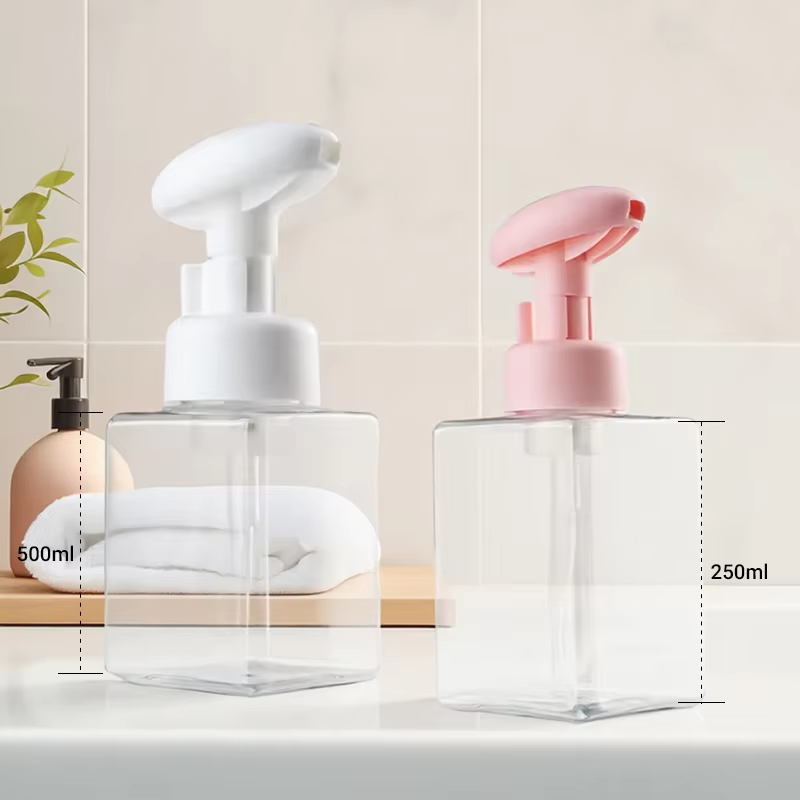
The operational sequence of a hand lotion pump bottle inherently supports proper hand hygiene protocols. Users can dispense product directly into their palm without needing to set down other items or use their second hand to stabilize a container, maintaining a more efficient workflow in bathroom and hygiene stations. This streamlined interaction pattern proves especially valuable in high-traffic environments such as hospitals, restaurants, and office buildings, where rapid throughput and compliance with sanitation standards must coexist. Facility managers report higher hand moisturizer usage rates when pump bottles replace traditional packaging, suggesting that ease of use directly correlates with hygiene behavior adoption.
Prevention of Bulk Product Exposure
The closed-system architecture of a hand lotion pump bottle protects the entire product volume from environmental exposure, maintaining the integrity of both active ingredients and preservative systems throughout the container's lifespan. Each dispensing action draws fresh product from the sealed reservoir without exposing the remaining contents to oxygen, light, or airborne contaminants. This preservation mechanism proves critical for formulations containing sensitive ingredients such as vitamins, antioxidants, or natural emollients that degrade rapidly when exposed to atmospheric conditions. Clinical studies have shown that lotions stored in pump bottles retain their efficacy markers significantly longer than identical formulations in jar packaging, with some active ingredients maintaining potency for 30-40% longer periods.
The prevention of bulk contamination also eliminates the risk of introducing foreign objects into the product reservoir, a common occurrence with wide-mouth jars where users may inadvertently transfer debris, hair, or other particles during application. In institutional settings, this contamination vector poses particular concerns, as multiple users accessing the same container dramatically increase the probability of product compromise. The hand lotion pump bottle eliminates this shared-access problem entirely, ensuring that each user receives uncontaminated product directly from a sealed source.
Antimicrobial Material Treatments
Contemporary hand lotion pump bottle manufacturing increasingly incorporates antimicrobial additives into the plastic components, providing an additional layer of contamination defense. These treatments typically utilize silver ion technology, zinc-based compounds, or quaternary ammonium formulations that inhibit bacterial and fungal colonization on contact surfaces. The antimicrobial agents are integrated directly into the polymer matrix during molding, ensuring uniform distribution throughout the component rather than relying on surface coatings that can wear away with repeated use. Laboratory testing demonstrates that these treated materials reduce bacterial populations on pump actuators by 99.9% within two hours of inoculation, providing continuous passive sanitation between cleaning cycles.
The implementation of antimicrobial materials particularly benefits high-frequency touchpoints such as shared pump bottles in public restrooms or workplace common areas. While these treatments do not eliminate the need for regular cleaning protocols, they provide interim protection during the intervals between formal sanitation procedures. Healthcare facilities have adopted antimicrobial pump bottles as part of comprehensive infection control strategies, recognizing that every component contributing to reduced pathogen transmission supports overall patient safety objectives. For brands marketing to health-conscious consumers, the incorporation of antimicrobial technology in pump bottle design serves as a tangible product differentiator that communicates commitment to user wellbeing.
User Experience Optimization Through Ergonomic Design
One-Handed Operation Efficiency
The single-motion activation required by a hand lotion pump bottle addresses a fundamental usability challenge in personal care routines: the need to dispense product while managing other tasks. Users can operate the pump mechanism with one hand while keeping their other hand positioned to receive the product, eliminating the awkward juggling required with twist-cap bottles or the two-handed coordination needed for squeeze tubes. This ergonomic advantage proves particularly valuable during multi-step skincare routines, after-handwashing protocols, and situations where users may be holding items such as phones, keys, or documents that cannot be easily set down.
The vertical actuation path of pump mechanisms aligns naturally with the anatomical structure of the human hand and wrist, requiring minimal joint deviation during operation. Biomechanical analysis shows that the pressing motion utilized for pump activation generates less cumulative stress on finger joints and tendons compared to the twisting motions required for screw caps or the sustained grip pressure needed for squeeze bottles. For users who apply hand lotion multiple times daily—particularly in professional environments such as healthcare, food service, or childcare—this reduced biomechanical load can translate to decreased hand fatigue and lower risk of repetitive strain injuries over extended periods.
Transparent Reservoir Design for Inventory Visibility
Many hand lotion pump bottle designs incorporate transparent or translucent materials for the product reservoir, enabling users to visually assess remaining product levels at a glance. This transparency feature eliminates the surprise of discovering an empty container mid-application, a common frustration with opaque packaging formats. For consumers, this visibility supports better purchase planning and reduces the likelihood of running out of essential skincare products. In commercial and institutional settings, transparent reservoirs enable maintenance staff to implement proactive replacement schedules before containers become completely depleted, ensuring continuous product availability for building occupants.
The psychological impact of reservoir visibility extends beyond practical inventory management, contributing to user trust and product value perception. Consumers report higher satisfaction with transparent packaging that allows them to verify product volume and quality before purchase and throughout the product lifecycle. This transparency also discourages manufacturer practices of using oversized containers to create false impressions of product volume, aligning with growing consumer demands for honest, sustainable packaging practices. For premium skincare brands, the visual presentation of colored or textured lotions through clear pump bottles serves as an additional aesthetic element that reinforces brand identity and product positioning.
Universal Design Principles and Accessibility
The operational simplicity of a hand lotion pump bottle embodies universal design principles that accommodate users across a wide spectrum of physical abilities and cognitive capacities. The intuitive push-down mechanism requires no specialized knowledge or training, making pump bottles accessible to children, elderly users, and individuals with cognitive impairments who might struggle with more complex dispensing systems. The consistent, predictable operation eliminates the learning curve associated with novel packaging formats, reducing user frustration and abandonment rates that can occur when packaging becomes a barrier to product use.
Manufacturers have further enhanced accessibility by developing pump actuators in various sizes and shapes to accommodate different hand sizes and grip capabilities. Large-surface actuators distribute activation force over broader areas, reducing the peak pressure required from individual fingers. Some designs incorporate textured surfaces or color-contrasted elements that provide visual and tactile cues for users with vision impairments. These inclusive design features expand the potential user base for hand lotion products while demonstrating corporate social responsibility in product development—considerations increasingly important to both institutional buyers and individual consumers making purchasing decisions.
Practical Implementation Considerations for Different Environments
Residential Applications and Consumer Preferences
In residential settings, the hand lotion pump bottle offers convenience benefits that align with contemporary home design aesthetics and lifestyle patterns. Consumers increasingly prefer countertop products that combine functionality with visual appeal, seeking packaging that complements bathroom and bedroom décor rather than requiring concealment in cabinets. The clean, modern profile of pump bottles satisfies these aesthetic preferences while delivering the practical advantage of one-handed operation during morning and evening routines. Market research indicates that consumers perceive pump-dispensed products as more premium and sophisticated compared to tube or jar packaging, influencing purchase decisions even when product formulations are identical.
The family-friendly nature of pump bottle design reduces household conflict around shared personal care products. Unlike squeeze tubes that some family members may leave uncapped or jars where different users' hygiene standards may conflict, the hand lotion pump bottle provides a neutral, consistent experience for all household members. Parents particularly value the reduced mess associated with pump dispensers, as the controlled dosing prevents the over-application incidents common when children use squeeze bottles. This practical advantage translates to product longevity and reduced waste, factors increasingly important to budget-conscious and environmentally aware consumers.
Commercial and Workplace Implementation
Commercial facilities implementing hand lotion pump bottles in restrooms and common areas realize multiple operational advantages beyond the basic hygiene and user experience benefits. The controlled dispensing mechanism reduces product waste, with businesses reporting 20-35% decreases in lotion consumption rates after switching from bulk dispensers to pump bottles. This reduction stems from the elimination of over-dispensing behavior and the decreased likelihood of users taking excessive product due to the effort required for multiple pump actions. For organizations managing dozens or hundreds of lotion dispensing stations, these consumption reductions translate to substantial annual cost savings.
The professional appearance of quality hand lotion pump bottles also contributes to workplace atmosphere and employer branding. Providing premium personal care amenities signals organizational investment in employee wellbeing and creates positive touchpoint experiences that influence workplace satisfaction. In client-facing environments such as professional offices, hotels, and retail establishments, the presence of branded pump bottles in restrooms communicates attention to detail and commitment to guest comfort. Some organizations have successfully integrated pump bottle amenities into broader employee wellness programs, positioning hand moisturizer availability as part of a comprehensive approach to worker health that includes ergonomic equipment and preventive care resources.
Healthcare and Clinical Environment Standards
Healthcare facilities operate under stringent infection control protocols that make the hand lotion pump bottle not merely preferable but often mandatory for patient care areas. Clinical guidelines from infection prevention organizations specify that hand moisturizers in patient care zones must be dispensed through mechanisms that prevent multi-user contamination, effectively requiring pump or automatic dispensing systems. The hand lotion pump bottle satisfies these requirements while offering the advantage of portability, allowing clinical staff to move lotion bottles between nursing stations, patient rooms, and treatment areas as needed without compromising sterility standards.
The clinical adoption of pump bottles has been supported by research demonstrating that regular hand moisturizer use among healthcare workers significantly improves skin barrier integrity, which in turn enhances hand hygiene compliance rates. Staff experiencing dry, cracked skin are less likely to perform the frequent handwashing required in clinical settings due to discomfort. By providing easily accessible, hygienically packaged hand lotion in pump bottle format at every handwashing station, healthcare facilities create an environment that supports both skin health and infection prevention objectives. Some hospitals have implemented standardized pump bottle specifications across all departments, recognizing that consistency in amenity presentation supports muscle memory and reduces cognitive load for staff managing complex clinical protocols.
Material Innovation and Environmental Sustainability
Recyclable and Eco-Conscious Material Selection
Contemporary hand lotion pump bottle manufacturing has increasingly embraced recyclable materials in response to consumer demand for sustainable packaging solutions. Many manufacturers now produce pump bottles using PET (polyethylene terephthalate) or HDPE (high-density polyethylene), both of which are widely accepted by municipal recycling programs and maintain high recovery rates in waste management systems. These materials offer the dual benefits of environmental responsibility and functional performance, as they provide the chemical resistance and structural integrity required for cosmetic packaging while supporting circular economy principles through material recovery and reprocessing.
The challenge in pump bottle recycling lies in the multi-component nature of the dispensing mechanism, which typically combines several plastic types, metal springs, and sometimes silicone seals. Progressive manufacturers have addressed this complexity by designing pump assemblies that can be easily disassembled for material-specific recycling streams or by developing fully recyclable pump mechanisms using compatible plastic types throughout all components. Some brands have implemented take-back programs specifically for pump bottles, ensuring that the specialized components are properly processed rather than contaminating conventional recycling streams. For businesses evaluating hand lotion pump bottle suppliers, inquiry into component separability and material compatibility with existing recycling infrastructure represents an important sustainability due diligence step.
Refillable Systems and Waste Reduction
An emerging trend in hand lotion pump bottle design emphasizes refillability, allowing users to retain the durable pump mechanism while replacing only the product reservoir through refill pouches or bulk dispensing systems. This approach dramatically reduces plastic waste by extending the lifespan of the most complex packaging components while using minimal material for product replenishment. Refill systems typically utilize lightweight pouches with 60-80% less plastic than equivalent rigid bottles, translating to significant material reduction over multiple refill cycles. Consumer adoption of refillable formats has accelerated as brands develop user-friendly refill mechanisms that prevent spills and maintain the convenience expectations associated with pump bottles.
Commercial and institutional settings have particularly embraced refillable hand lotion pump bottle systems, as the economic advantages align with sustainability objectives. Bulk purchasing of lotion in large-format containers for refilling individual pump bottles reduces per-unit costs by 30-50% compared to purchasing pre-filled bottles continuously. Facilities management teams report that standardized refillable pump bottle programs simplify inventory management and reduce storage space requirements, as concentrated refill products occupy significantly less warehouse space than equivalent quantities of pre-filled containers. The implementation of refill programs also provides opportunities for organizational sustainability storytelling, allowing companies to quantify and communicate their waste reduction achievements to stakeholders and customers.
Biodegradable and Plant-Based Material Alternatives
Research and development in sustainable packaging has produced hand lotion pump bottle prototypes utilizing bio-based plastics derived from renewable resources such as sugarcane ethanol, corn starch, and cellulose. These materials offer the potential to reduce dependence on petroleum-based plastics while maintaining the performance characteristics required for cosmetic packaging applications. Bio-based PET, for example, delivers identical functional properties to conventional PET while incorporating up to 30% renewable carbon content. For brands positioning themselves as environmental leaders, the adoption of bio-based pump bottles provides tangible evidence of sustainability commitment beyond marketing rhetoric.
The practical implementation of biodegradable materials in hand lotion pump bottle applications faces technical challenges related to the mechanical demands of pump mechanisms and the extended shelf life required for retail distribution. Biodegradable plastics must maintain structural integrity and spring function throughout thousands of compression cycles while resisting degradation from product chemistry and environmental conditions during storage and use. Current commercially available biodegradable pump bottles typically compromise on either durability or decomposition speed, though material science advances continue to narrow this performance gap. For businesses evaluating biodegradable options, careful assessment of actual use case requirements against material capabilities ensures that sustainability intentions do not inadvertently create premature product failure or user dissatisfaction.
FAQ
What makes a hand lotion pump bottle more hygienic than other packaging types?
A hand lotion pump bottle provides superior hygiene through its closed-system design that prevents contamination of the bulk product. Unlike jar packaging where users' fingers contact the product directly or tube packaging that requires repeated handling of squeeze points, the pump mechanism limits user contact to a single actuator surface. The one-way valve system blocks backflow of air and contaminants into the reservoir after each use, maintaining product sterility throughout its lifecycle. Studies in clinical settings have demonstrated that pump dispensers reduce bacterial transfer rates by approximately 70% compared to open containers, making them particularly valuable in shared-use environments and healthcare facilities where infection control is paramount.
How does the pump mechanism improve application accuracy and reduce waste?
The spring-loaded piston mechanism in a hand lotion pump bottle delivers consistent, predetermined volumes with each actuation, typically dispensing 1.5 to 3 milliliters per pump depending on design specifications. This volumetric precision eliminates the over-application common with squeeze bottles and the difficult portion control associated with jar packaging. Users develop intuitive understanding of how many pumps deliver their desired amount, creating repeatable application patterns that maximize product value. Commercial facilities implementing pump bottles report consumption reductions of 20-35% compared to bulk dispensers, demonstrating that controlled dosing translates to measurable waste reduction and cost savings while ensuring users receive adequate product for effective skin care.
Can hand lotion pump bottles accommodate different viscosity formulations?
Quality hand lotion pump bottles are engineered to handle a wide viscosity range, typically from light, fluid lotions around 3,000 centipoise to thicker creams approaching 50,000 centipoise. The pump mechanism's performance depends on proper matching between product viscosity and pump specifications, including piston chamber diameter, spring strength, and inlet tube dimensions. Manufacturers offer different pump designs optimized for specific viscosity ranges, with higher-viscosity formulations requiring larger displacement chambers and stronger springs to generate adequate suction and expulsion force. When selecting pump bottles for specific lotion formulations, businesses should request pump performance data from suppliers and conduct application testing to verify smooth, consistent dispensing throughout the product lifecycle, particularly as temperature variations may affect viscosity characteristics.
What are the key factors to consider when selecting pump bottles for commercial use?
Commercial selection of hand lotion pump bottles should evaluate multiple performance and practical factors beyond basic functionality. Material compatibility with the specific lotion formulation prevents degradation or leaching issues that could compromise product quality. Pump cycle durability ratings indicate expected operational lifespan, with commercial-grade mechanisms typically rated for 10,000-20,000 actuations minimum. Actuator design affects accessibility and user satisfaction, with larger surface areas and lower activation force requirements improving usability across diverse populations. For high-traffic environments, anti-drip valve technology and antimicrobial material treatments reduce maintenance requirements and support hygiene standards. Sustainability considerations including recyclable material construction, component separability, and refillability options align packaging choices with organizational environmental commitments. Finally, aesthetic factors such as transparency, color options, and branding compatibility ensure that functional pump bottles also support facility presentation standards and corporate identity objectives.
Table of Contents
- Understanding the Mechanical Advantages of Pump Bottle Design
- Hygiene Enhancement Through Touchless Operation Principles
- User Experience Optimization Through Ergonomic Design
- Practical Implementation Considerations for Different Environments
- Material Innovation and Environmental Sustainability
-
FAQ
- What makes a hand lotion pump bottle more hygienic than other packaging types?
- How does the pump mechanism improve application accuracy and reduce waste?
- Can hand lotion pump bottles accommodate different viscosity formulations?
- What are the key factors to consider when selecting pump bottles for commercial use?

